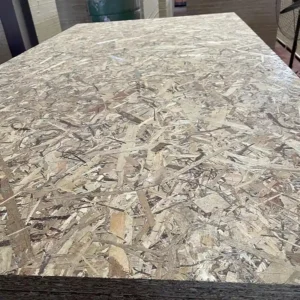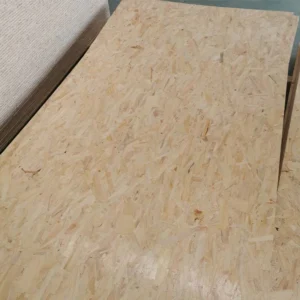


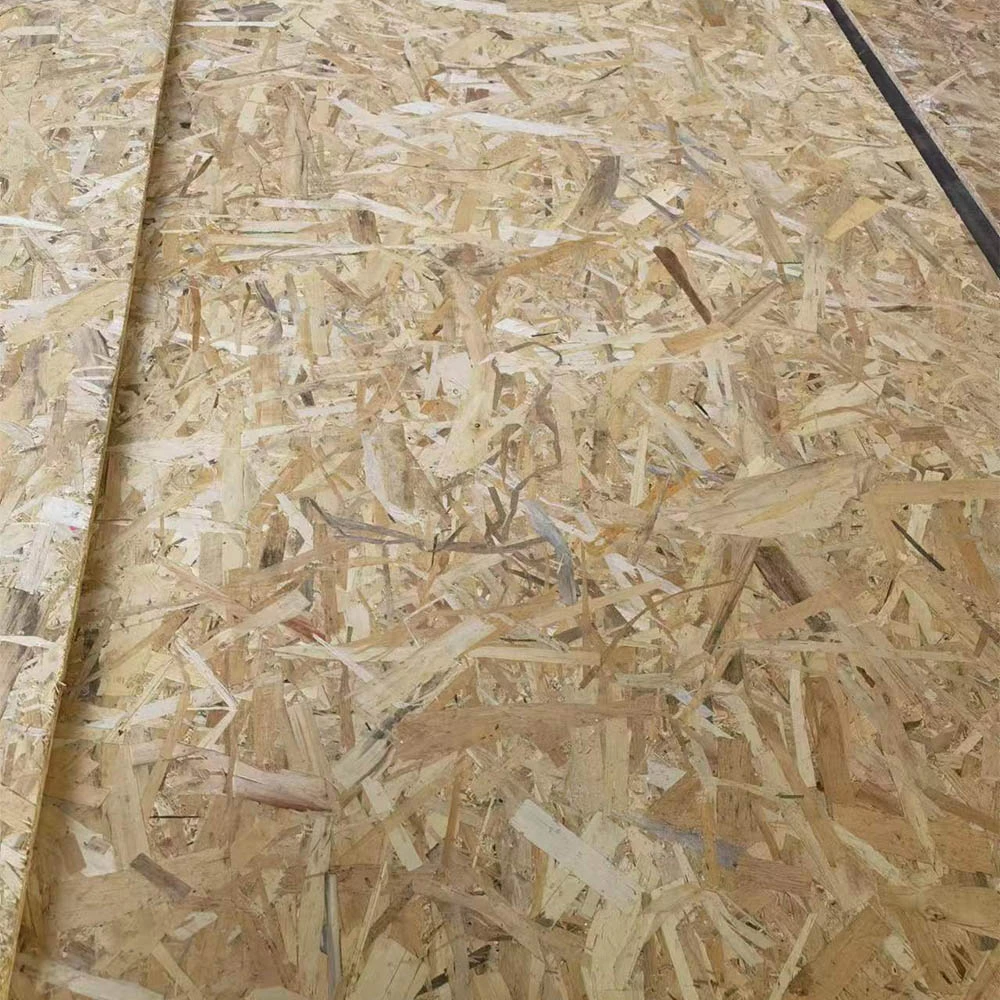
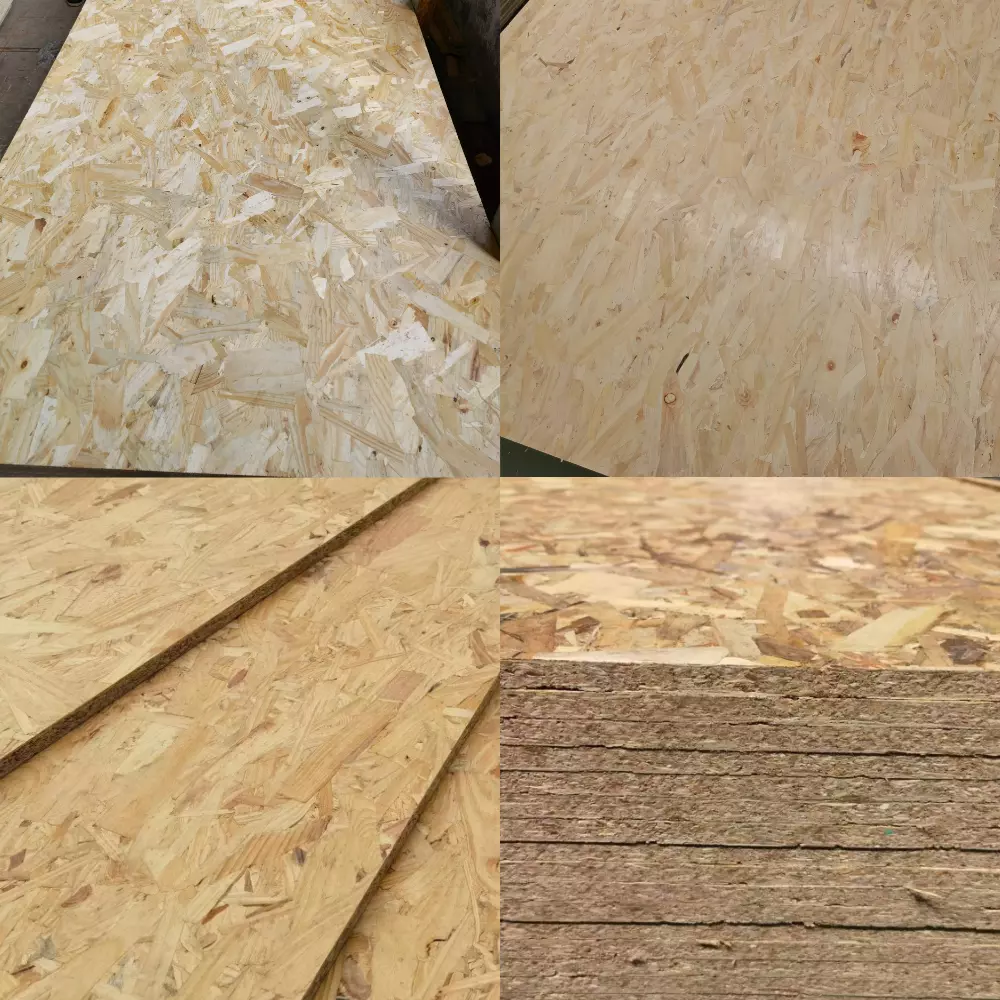
OSB (Oriented Strand Board), also known as oriented strand particle board, is an engineered wood panel made by arranging thin wood strands in specific orientations.
These strands are combined with eco-friendly adhesives and hot-pressed under high temperature and pressure.
Due to its unique cross-oriented structure, OSB offers excellent structural strength, moisture resistance (in higher grades), strong nail-holding ability, and dimensional stability.
It is widely used in building construction, including wall sheathing, roofing, and subflooring in wood-frame houses. OSB is also used in furniture manufacturing and interior decoration.
Complete technical specifications for your professional selection.
Discover our outstanding product features designed for professional and industrial applications.
Strong resistance to bending, compression, and shear
Can replace plywood in many structural applications
Cross-oriented strands help reduce cracking, warping, and bending
Made from fast-growing wood species and small-diameter logs
High wood utilization rate, supporting sustainable and eco-friendly production
Visible wood strand texture on the surface
Popular in industrial-style and loft-style interior design
Available with water-resistant adhesives for humid environments
Durable surface with long service life
Find essential information about our products for your project needs.
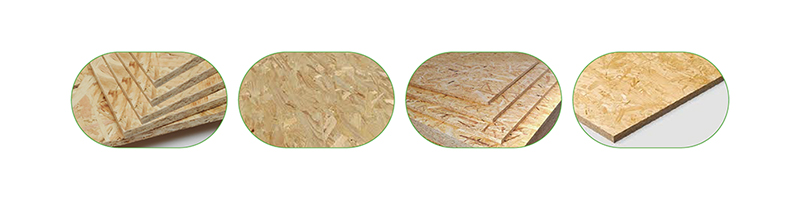
Explore common applications for our high-quality products.
According to the European standard (EN 300), OSB is divided into four grades based on moisture resistance:
Learn more about the pros and cons of our products.
| Advantages | Disadvantages |
|---|---|
| High strength and excellent load-bearing capacity | Rough surface, requires finishing for decorative use |
| Good moisture resistance (especially higher-grade OSB) | Edges are prone to moisture absorption and require proper sealing |
| Cost-effective compared with plywood | May produce splinters during cutting or processing |
| Environmentally controllable with low-formaldehyde adhesives | Low-quality products may still emit formaldehyde |

Find answers to your most common questions.
Q1. Are you a trading company or a factory?
A: We are a factory. We have two overseas factories in Gabon and two factories in China.
Q2. Can I get some samples?
A: Yes, we can provide free samples but the customer needs to pay the shipping cost.
Q3. What is your delivery time?
A: Delivery time is within 15 days after we receive the deposit.
Q4. What are your payment terms?
A: Payment terms: 30% T/T, L/C, Cash; balance against BL copy within 7 days.
Q5. What is your strength?
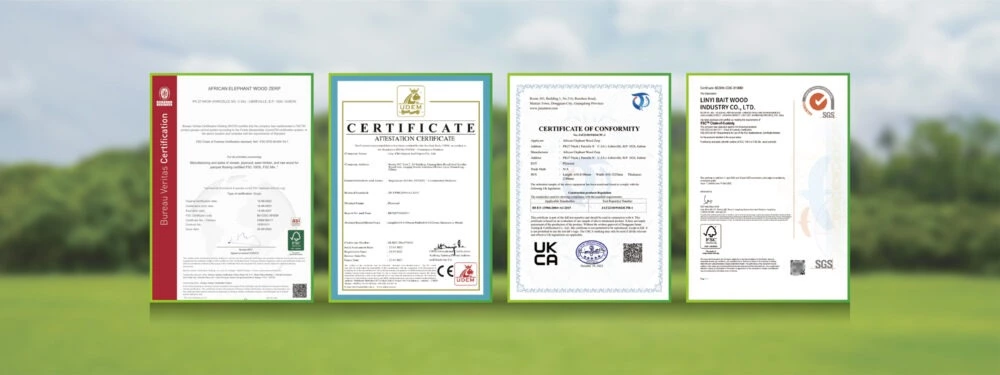
A: We have over 20 years of export experience. With the same cost, we offer better quality due to strict production control and an independent inspection department.