
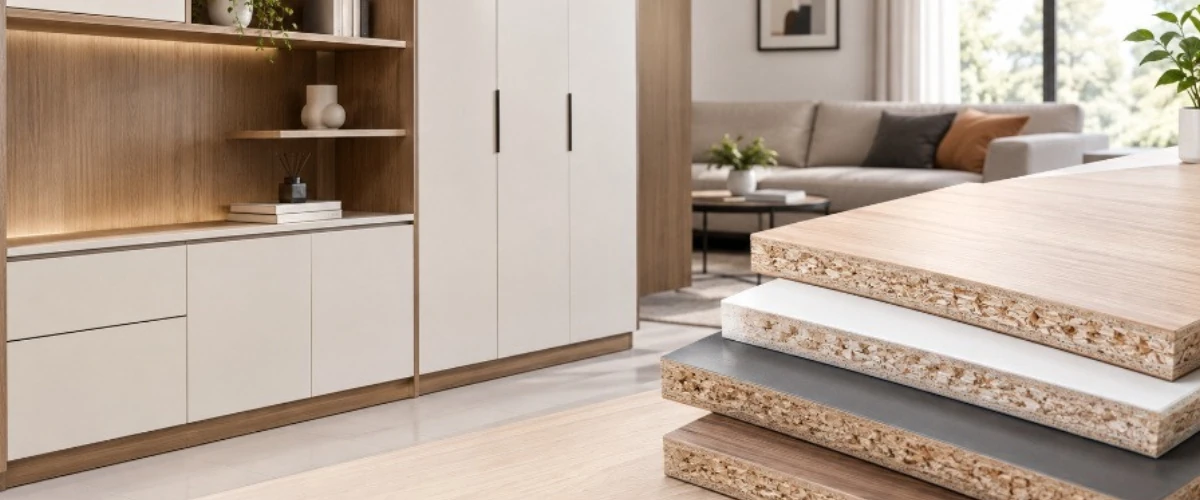
Melamine faced chipboard, also known as MFC, is a popular engineered wood product used in modern furniture and interior design. It combines an attractive finish with everyday practicality and an affordable price, making it a common choice for home furnishings and fitted furniture.
But what makes MFC so widely used? Is it simply because it costs less, or does it offer other benefits?
In this article, we’ll take a closer look at what melamine faced chipboard is, where manufacturers commonly use it in furniture, and why it remains an important material in today’s furniture industry.
What Is Melamine Faced Chipboard?
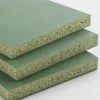
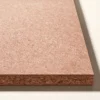
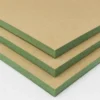
Melamine faced chipboard (MFC), also called melamine faced particleboard, is an engineered wood panel with a decorative surface. Manufacturers bond decorative paper, treated with melamine resin, to the board under heat and pressure. The result is a hard, durable surface that comes in a wide range of colors, patterns, and finishes.
To understand how MFC works, it’s helpful to look at its two main parts: the core board and the melamine surface.
How Is Melamine Faced Chipboard Made?
1. The Core: Particleboard
The core is made from wood particles, chips, and sawdust. Manufacturers mix these materials with adhesive, then apply heat and pressure to form a solid panel. This creates the particleboard base, which provides strength and stability.
2. The Surface: Melamine Paper
The surface starts with decorative paper printed with a color, pattern, or woodgrain design. Manufacturers impregnate the paper with melamine resin and dry it to a partially cured state. They then place it over the particleboard and apply heat and pressure. This bonds the decorative layer to the core and creates the finished melamine surface.
Why Is Melamine Faced Chipboard So Popular in Modern Furniture?
Several practical advantages explain why furniture manufacturers increasingly use melamine faced chipboard.
1. Cost-Effective for Furniture Manufacturing
One of the biggest reasons manufacturers choose melamine faced chipboard is its affordable price.
Compared with solid wood and many other engineered wood panels, MFC offers a more budget-friendly option for furniture production. Its particleboard core uses wood chips, sawdust, and other wood residues. This reduces the need for high-grade timber and helps keep raw material costs down.
The melamine surface also simplifies the finishing process. Unlike traditional solid wood furniture, MFC furniture does not need extra painting, sanding, or polishing. Manufacturers can reduce labor costs and production time while still producing furniture with an attractive finish.
Another advantage is its ready-to-use surface. Furniture makers can cut, edge, and assemble the panels without adding a separate paint finish. This also avoids the strong paint odors often associated with traditional finishing processes.
2. A Wide Range of Colors and Decorative Patterns
Today’s furniture buyers care about both function and appearance.
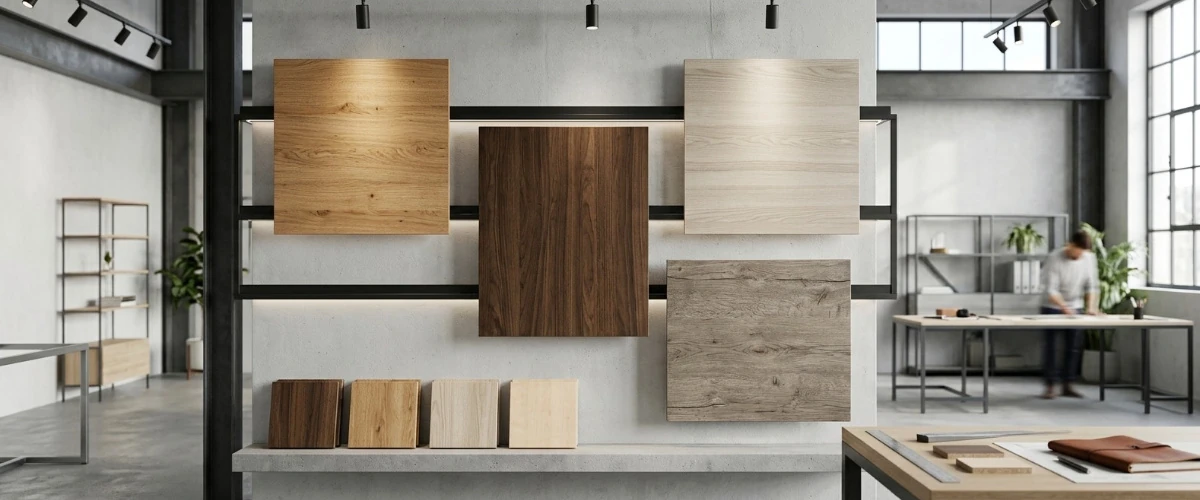
Melamine faced chipboard offers a wide selection of colors, textures, and decorative patterns. This gives furniture manufacturers more freedom to create products for different interior styles.
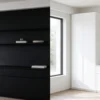
For example, white and light grey finishes work well in minimalist kitchens and wardrobes. Oak and walnut patterns bring a natural wood look to furniture without the cost of solid timber. Dark finishes are also popular for modern office desks, cabinets, and storage units.
MFC also provides a consistent surface appearance across different panels. This makes it easier for manufacturers to produce matching furniture components in large quantities.
3. Good Resistance to Everyday Wear and Stains
Furniture surfaces face daily contact, spills, scratches, and general wear. That’s why surface durability matters when choosing furniture materials.
The melamine resin surface creates a hard, smooth finish that offers good resistance to everyday scratches, abrasion, and stains. It also handles common household cleaning products well when used as directed.
Spilled drinks and food stains are generally easy to wipe away. A damp cloth is often enough to keep the surface clean.
However, MFC is not completely scratch-proof or waterproof. Prolonged exposure to moisture and excessive heat can still damage the surface, especially around unsealed edges. Proper use and care help maintain its appearance over time.
4. Consistent Quality and Appearance
Natural wood comes with variations in grain, color, and texture. These differences give solid wood its character, but they can make large-scale furniture production more challenging.
Melamine faced chipboard offers a more uniform appearance. Its decorative surface, panel thickness, and dimensions can remain consistent across production batches when manufacturers maintain proper quality control.
For furniture manufacturers producing hundreds or thousands of units, this consistency makes production planning easier. It also helps ensure that cabinets, wardrobes, desks, and other furniture components look uniform, even when they come from different production batches.
Limitations of Melamine Faced Chipboard
Although melamine-faced chipboard is popular, it has some drawbacks:
- Poor Moisture Resistance: It absorbs water easily, causing swelling, mold, or damage. Not suitable for bathroom or sink cabinets.
- Limited Design Options: It cannot be easily carved, routed, or bent into complex shapes. Best suited for flat, modern designs.
- Moderate Screw-Holding Strength: Repeated screw removal and reinstallation can loosen the holes.
Does Melamine-Faced Chipboard Contain Formaldehyde?
This is a common concern among consumers. Chipboard is typically made from wood particles and adhesives, such as urea-formaldehyde resin, pressed under high temperature and pressure. As a result, it may release small amounts of formaldehyde.
However, melamine-faced chipboard has been widely used for decades. With improvements in manufacturing processes and environmental standards, formaldehyde emissions from modern boards are now better controlled. Choosing products that meet relevant environmental standards and ensuring proper edge sealing and use conditions can make them suitable for everyday furniture applications.
Common Applications of Melamine Faced Chipboard in Modern Furniture
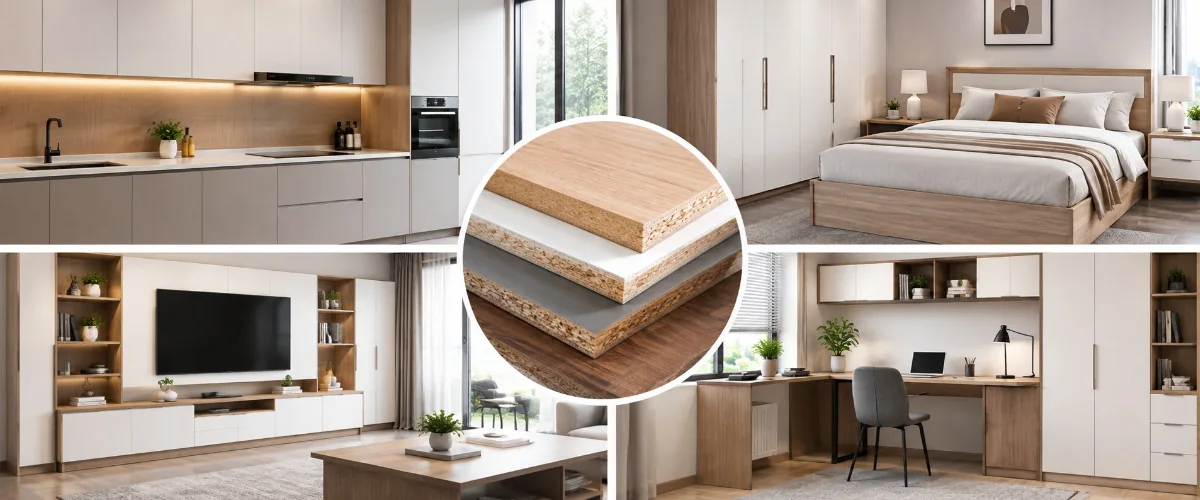
Its combination of decorative flexibility, affordability, and practical performance makes melamine faced chipboard suitable for various furniture applications.
| Application | Typical Uses | Key Benefits |
|---|---|---|
| Kitchen Cabinets | Cabinet carcasses, shelves, and doors | Easy to clean and decorative |
| Bedroom Wardrobes | Wardrobe panels and shelves | Affordable and versatile |
| Office Furniture | Desks and filing cabinets | Durable and scratch-resistant |
| Living Room Furniture | TV stands and bookshelves | Various colors and finishes |
| Customized Furniture | Built-in cabinets and storage units | Flexible design options |
| Beds and Partitions | Bed frames and office partitions | Lightweight and cost-effective |
Melamine faced chipboard is a cost-effective and versatile material for residential and commercial furniture.
Standard Sizes of Melamine Faced Chipboard
Common Length and Width
The standard size of melamine faced chipboard is 1220 × 2440 mm (4 × 8 ft). Other available sizes include 1200 × 2400 mm, 1250 × 2500 mm, and 1268 × 2440 mm. Customized sizes are also available depending on production requirements.
Common Thickness
- 3–12 mm: Commonly used for furniture back panels and drawer bottoms.
- 15–18 mm: Widely used for wardrobes, kitchen cabinets, and bookshelves. 18 mm is a popular choice for cabinet carcasses.
- 20–25 mm and above: Suitable for tabletops, desks, and heavy-duty furniture.
Melamine Faced Chipboard Specifications
Baitwood offers customized melamine faced chipboard in different sizes, thicknesses, core materials, and glue grades to meet various furniture manufacturing needs.
| Size | 1220 × 2440 mm, 1250 × 2500 mm or Customized |
| Thickness | 2–40 mm or Customized |
| Face | Melamine Paper |
| Core Material | Birch, Eucalyptus, Poplar, Combi Core |
| Glue | WBP, E0, E1, E2 |
| Moisture Content | 6%–10% |
| Certification | ISO, CE, CARB, FSC |
Why Choose Baitwood for Melamine Faced Chipboard?
Choosing a reliable manufacturer is essential for maintaining consistent product quality and a stable supply chain.
Baitwood provides a range of wood-based panels for furniture manufacturing and international wholesale markets. With experience in plywood, MDF, OSB, and other engineered wood products, we understand the material requirements of different furniture applications.
When sourcing melamine faced chipboard, buyers can discuss panel thickness, dimensions, decorative finishes, core requirements, and packaging options with our team.
Whether you are a furniture manufacturer, importer, or building materials distributor, selecting suitable specifications can help improve production efficiency and control purchasing costs.
Contact Baitwood to discuss your requirements and explore suitable wood panel solutions for your business.
Conclusion
Melamine faced chipboard remains popular in modern furniture because it combines affordability, decorative flexibility, easy maintenance, and efficient processing.
From kitchen cabinets and wardrobes to office desks and storage furniture, it provides a practical solution for manufacturers looking to balance appearance and production costs.
For buyers, understanding the board’s core quality, surface finish, thickness, and moisture resistance is essential when selecting the right product.
As demand for cost-effective and customizable furniture continues, melamine faced chipboard is likely to remain an important material in the global furniture industry.
Product Recommendations
Find the Right Products for Your Needs
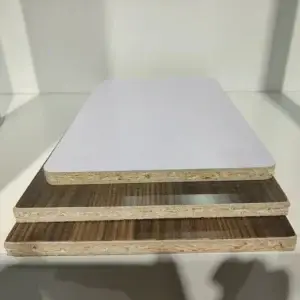 Baitwood ProductMelamine ChipboardMelamine Chipboard is an engineered wood panel made from compressed wood particles bonded with…View Product
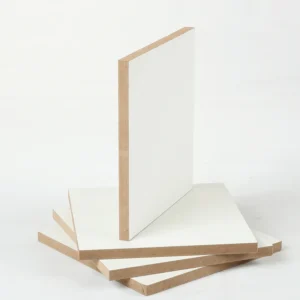 Baitwood ProductMelamine MDFMDF (Medium Density Fiberboard) is an engineered wood panel made from refined wood fibers…View Product
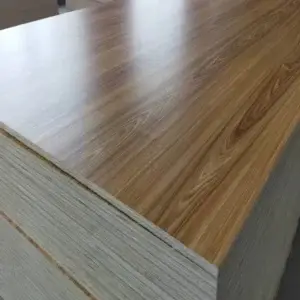 Baitwood ProductGlossy Melamine PlywoodGlossy Melamine Plywood is a premium decorative panel made with a durable plywood core…View Product
Related Articles
Explore more helpful articles, product guides, and expert tips.
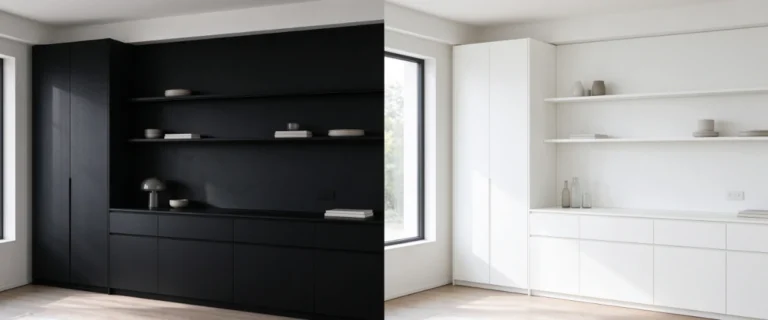 Blog ArticleBlack or White Melamine Board: Which Color Should You ChooseChoosing between black and white melamine board may seem like a simple design decision, but…Read Article
 Blog ArticleWhat Is Melamine Plywood? How It’s Made, Benefits, and UsesMelamine plywood is a widely used engineered wood for interior renovation and custom whole‑home furniture.…Read Article
 Blog ArticleWhy Choose Melamine Particle Board for FurnitureFor furniture manufacturers sourcing materials for cabinetry and custom furniture—whether for kitchen cabinets, bedroom wardrobes,…Read Article