
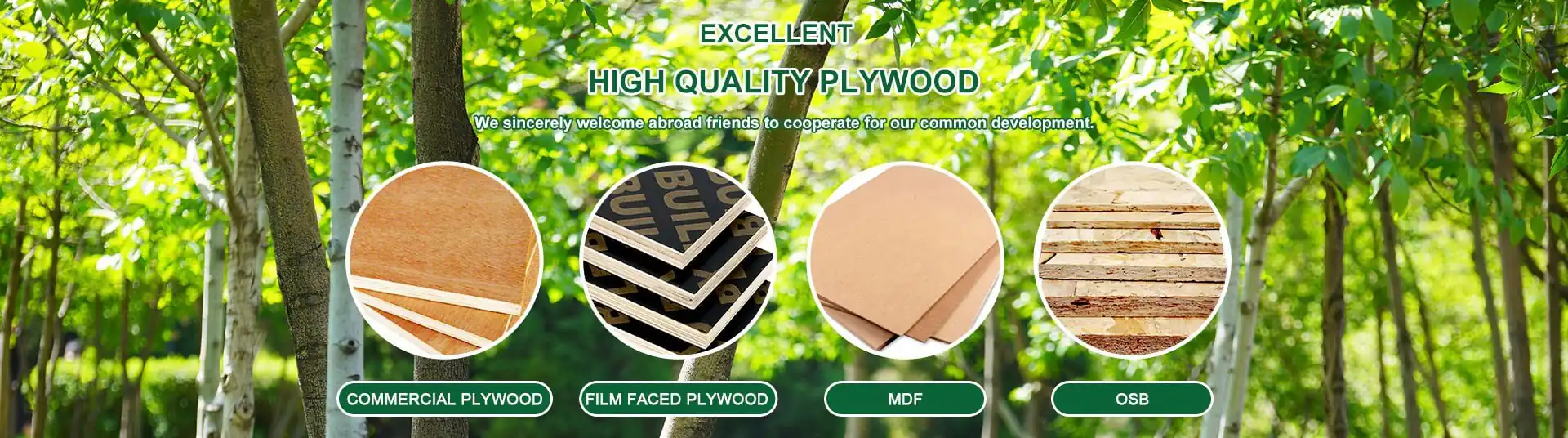

1. Compare Plywood Prices Based on the Same Specifications
Plywood prices depend on more than sheet size and thickness. When comparing supplier quotations, make sure every supplier is quoting the same product specifications.
Check these factors first:
- Plywood type and grade
- Thickness and sheet size
- Core material
- Face and back grade
- Glue type
- Certification requirements
- Order quantity
- Packaging
- Incoterms
For example, an 18mm plywood sheet with a hardwood core should not be directly compared with an 18mm panel made with a lower-cost mixed core.
You should also check whether the quotation is EXW, FOB, CFR, or CIF. A lower factory price may not result in a lower total purchasing cost.
Price comparison should always start with comparable specifications.
2. Compare Plywood Quality
Price is important, but inconsistent quality can create much higher costs for B2B buyers.
When evaluating a plywood supplier, ask for detailed product specifications and check:
Core Material
Common plywood core materials include:
- Poplar
- Eucalyptus
- Birch
- Hardwood
- Combi core
The core affects plywood strength, weight, stability, and overall performance.
Glue and Bonding
Ask what adhesive is used for the plywood. Depending on the application, suppliers may offer MR, melamine, WBP, or phenolic glue.
For moisture-resistant or waterproof applications, the bonding system is especially important.
Thickness and Surface Quality
Also compare:
- Thickness accuracy
- Flatness
- Surface smoothness
- Veneer quality
- Core gaps
- Delamination
- Sanding quality
A reliable supplier should be able to provide samples or technical specifications before a large order.
Certifications and test reports should also be checked when they are required for your target market or application. These factors can significantly influence both plywood price and product suitability.
3. Compare Plywood Supplier Lead Time
Lead time is often overlooked when buyers compare quotations, but it can directly affect inventory planning and project schedules.
Ask each supplier:
- What is the production lead time?
- When does the lead time start?
- Is the required material available?
- What is the production capacity?
- How long does quality inspection take?
- When can the order be loaded into a container?
For international orders, remember to distinguish between factory production lead time and ocean shipping time.
A supplier promising the shortest delivery time is not necessarily the best choice. Consistent and predictable delivery is usually more valuable than an unrealistic promise.
4. Compare Suppliers With a Simple Checklist
A supplier comparison table can make your purchasing decision much easier:
| Factor | Supplier A | Supplier B | Supplier C |
|---|---|---|---|
| Plywood Grade | |||
| Thickness | |||
| Core Material | |||
| Glue Type | |||
| Quality | |||
| Certification | |||
| Price | |||
| MOQ | |||
| Lead Time | |||
| Packaging |
This prevents you from choosing a supplier simply because its initial quotation looks cheaper.
5. Don’t Choose a Plywood Supplier by Price Alone
The cheapest plywood supplier may use different raw materials, offer a different quality level, or have a longer production schedule.
Instead of asking:
“Which supplier has the lowest price?”
ask:
“Which supplier offers the best combination of price, quality, and reliable lead time?”
For bulk buyers, you should also consider the total procurement cost, including packaging, inspection, inland transportation, shipping, and potential costs caused by quality problems or delays.
A slightly higher plywood price may be worthwhile if it comes with more consistent quality and reliable delivery.
How to Choose the Right Plywood Supplier
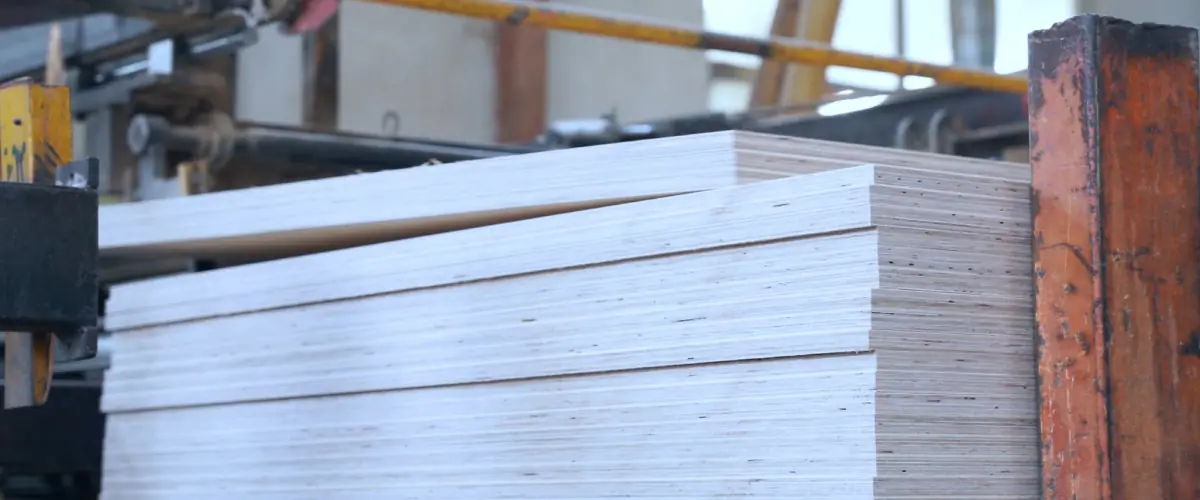
Before placing a bulk plywood order, make sure you:
- Define the exact plywood specifications.
- Request comparable quotations from several suppliers.
- Compare core material, glue, surface, and quality.
- Check relevant certifications and test reports.
- Confirm MOQ and packaging requirements.
- Verify production lead time.
- Compare the total purchasing cost.
The right plywood supplier should provide competitive pricing, consistent quality, and dependable delivery rather than simply offering the lowest price.
If you are sourcing plywood for wholesale, furniture production, construction, or distribution, BAITWOOD can help you evaluate suitable plywood specifications and provide a quotation based on your required thickness, size, quantity, and application.