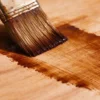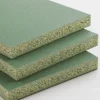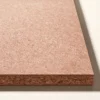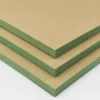

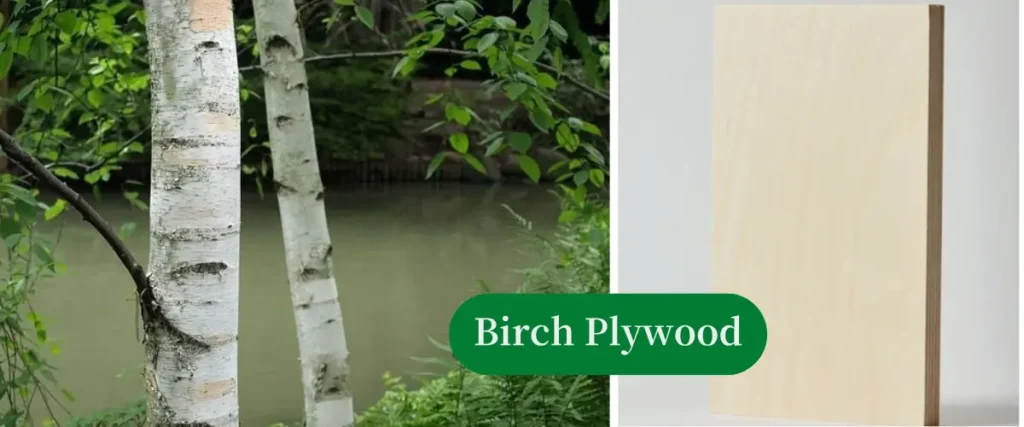
Birch plywood is a top choice for furniture manufacturing, interior construction, packaging, and industrial production worldwide. Its uniform texture, high hardness, excellent wear resistance, and stable structure make it especially popular among global buyers. Baltic and Russian birch plywood, in particular, are renowned for consistent quality and performance.
However, selecting the right plywood grade can be challenging. Many buyers struggle with the B, BB, CP, and C grades marked on birch plywood surfaces. Each grade differs in surface quality, defects, appearance, and application, and choosing the wrong one can lead to unnecessary costs or subpar finished products.
This guide explains the differences between B, BB, CP, and C grade birch plywood, helping you select the most cost-effective grade for your project.
What Are Birch Plywood Grades (B / BB / CP / C)?
The B, BB, CP, and C grading system is the international standard for Baltic and Russian birch plywood, following EN 635-2 and GOST industry standards. Grades are primarily based on surface conditions, including:
- Knots and patches
- Color differences
- Cracks and natural wood marks
- Surface smoothness
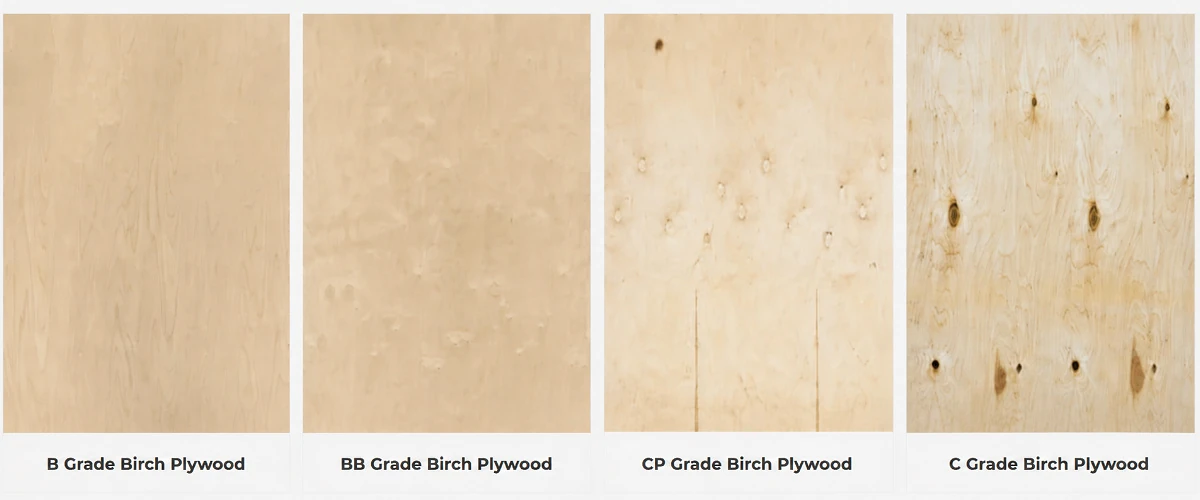
The ranking from highest to lowest quality is: B > BB > CP > C. Higher grades have fewer defects, smoother surfaces, and higher prices.
Detailed Explanation of Birch Plywood Grades
1. B Grade – Premium Grade
B grade is the highest surface grade, offering a nearly flawless veneer.
Key Features:
- Extremely few small knots; no large dead knots
- No visible patches, cracks, or discoloration
- Smooth, uniform birch texture
- Consistent natural wood color
Best Applications:
High-end visible furniture, luxury cabinets, musical instruments, decorative veneers, or projects requiring painting or laminating.
Note: B grade is more expensive and usually used on outer visible surfaces.
2. BB Grade – Most Popular Grade
BB grade balances quality and price, making it the most versatile and widely used birch plywood grade.
Key Features:
- Small healthy knots allowed
- Limited neat patches (generally ≤8 per square meter)
- Smooth double-sided sanding, easy for painting and gluing
- Slight color variations acceptable
Best Applications:
Custom cabinets, indoor furniture, wooden crafts, interior decoration, and medium-grade display shelves. BB/BB is typically the first choice for daily production.
3. CP Grade – Industrial Grade
CP grade is an industrial-level plywood with visible natural wood defects. It is not recommended for high-aesthetic projects.
Key Features:
- Visible patches and moderate knots
- Noticeable color differences and natural wood grain
- Sanded surface with texture imperfections
- Stable internal structure
Best Applications:
Furniture back panels, base plates, hidden engineering structures, transport pallets, and simple industrial packaging.
4. C Grade – Economy Grade
C grade is the lowest grade, intended for low-budget and non-visible uses.
Key Features:
- Large knots, holes, and obvious patches
- Uneven color and rough surface
- Usually not finely sanded
- Complete plywood structure with low appearance requirements
Best Applications:
Disposable packaging boxes, cargo pallets, construction temporary formwork, and hidden structural boards.
Common Combined Grades
In practice, birch plywood is often double-sided graded to optimize cost:
- B/BB: Premium front surface, cost-saving back
- BB/BB: Mainstream grade for furniture production
- BB/CP: Cost-effective for semi-visible furniture
- CP/CP or CP/C: Industrial or packaging applications
How to Select the Right Grade for Your Project

- High-aesthetic, visible products: B grade or B/BB – Choose for flawless surfaces, uniform color, and smooth finish; ideal for furniture fronts, cabinet doors, and decorative panels.
- Daily furniture & cabinet production: BB/BB (most recommended) – Balanced quality and cost; suitable for shelves, drawers, and standard furniture components.
- Hidden panels & engineering structures: BB/CP or CP – Reliable strength for back panels, structural supports, and semi-visible parts where appearance is less critical.
- Low-cost packaging & temporary use: CP/C or C – Economical choice for pallets, construction formwork, or disposable boxes.
Summary Table for Quick Selection
| Application | Recommended Grade | Notes |
|---|---|---|
| High-end furniture & visible panels | B / B/BB | Smooth, flawless surface |
| Daily furniture & cabinets | BB/BB | Balanced quality and cost |
| Hidden structures | BB/CP / CP | Structural strength, lower appearance needs |
| Packaging, pallets, temporary boards | CP/C or C | Functional use, low cost |
Bonus Tips: Beyond Plywood Grades
To ensure high-quality birch plywood, consider:
- Core material: 100% birch, no mixed hardwood
- Glue type: WBP for humid environments, MR for indoor dry use
- Sanding process: Double-sided fine sanding for painting and lamination
- Moisture content: Keep 6%–12% to prevent warping
Conclusion
The B, BB, CP, and C grading system simplifies birch plywood selection:
- B: Premium visible surfaces
- BB: Mainstream furniture production
- CP: Industrial hidden applications
- C: Low-cost or temporary use
There is no “best” grade—only the most suitable grade for your project. Understanding these grades helps reduce costs, avoid material waste, and maintain consistent product quality.
For questions about custom sizes, bulk orders, or specific plywood needs, contact our professional sales team for expert advice.