
Choosing the right plywood thickness is crucial for any woodworking or construction project. Using plywood that is too thin can compromise strength, while using a thicker sheet than necessary may increase costs and make handling more difficult. In this guide, we’ll break down the key factors to consider when selecting plywood thickness—from 1/4 inch to 3/4 inch—and help you find the perfect fit for your project.
Understanding Plywood Thickness
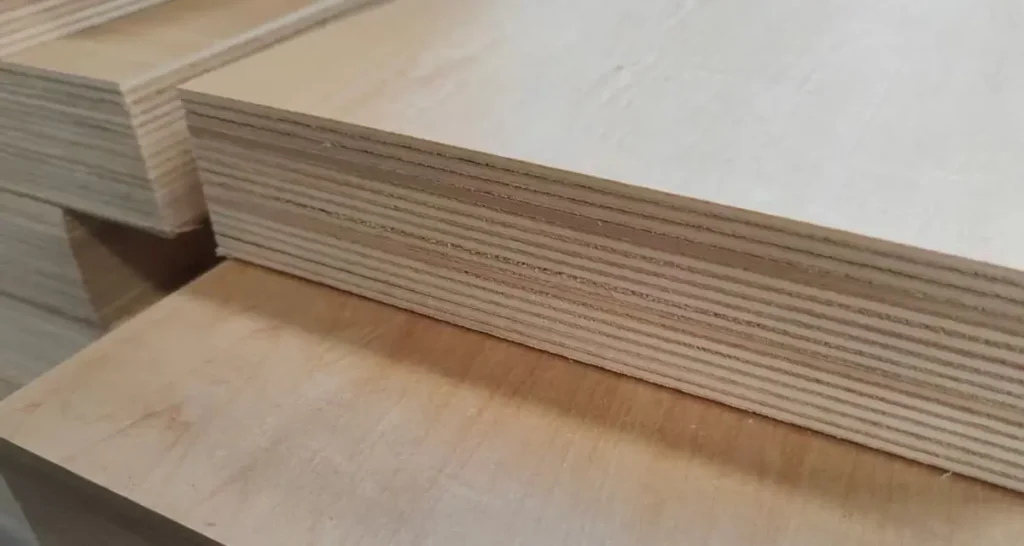
Plywood comes in a variety of thicknesses, typically ranging from 1/8 inch to 1 inch, with the most common being 1/4 inch, 1/2 inch, and 3/4 inch. Each thickness has specific applications:
- 1/4 Inch Plywood: Lightweight and flexible, suitable for drawer bottoms, cabinet backs, and decorative paneling.
- 1/2 Inch Plywood: Stronger and more stable, ideal for shelving, furniture panels, and interior walls.
- 3/4 Inch Plywood: Heavy-duty and durable, perfect for flooring, countertops, and load-bearing structures.
Understanding these differences is the first step in selecting the right plywood for your project.
Consider the Application
The intended use of plywood largely determines the thickness you need. Here are some examples:
- Furniture: For cabinets, desks, or wardrobes, 1/2 inch plywood is usually sufficient for panels, while 3/4 inch is recommended for tabletops or load-bearing surfaces.
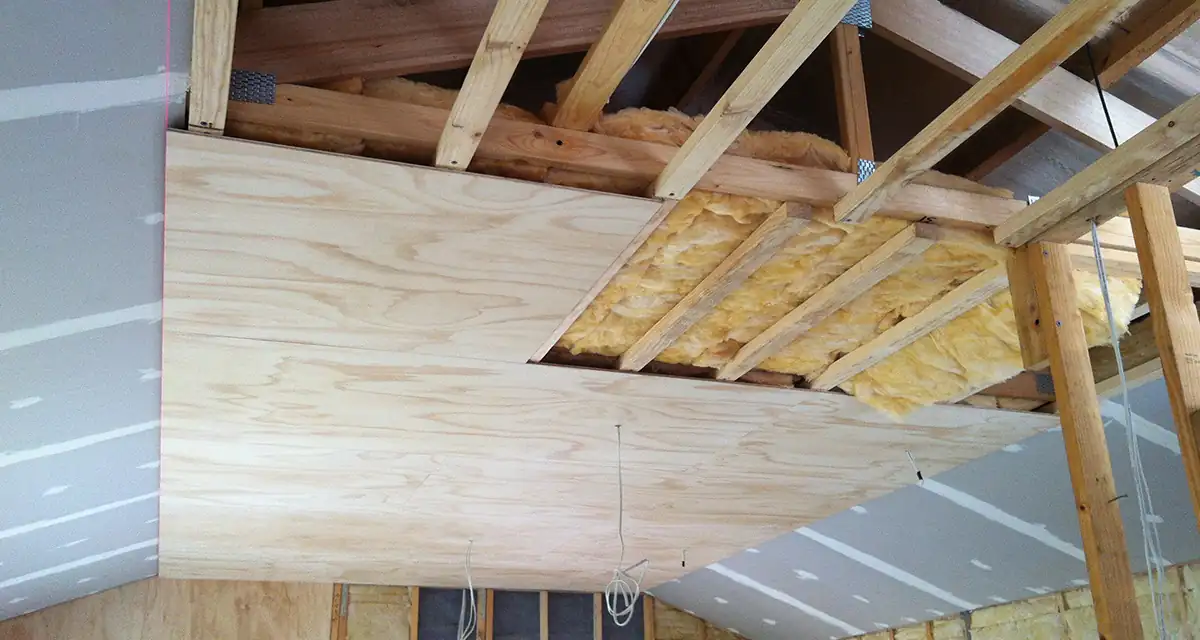
- Construction: Flooring, subfloors, or roof sheathing require thicker plywood, typically 3/4 inch, to ensure durability and stability.
- DIY Projects: For craft projects or lightweight shelving, 1/4 inch plywood offers flexibility and ease of handling.
Always match the plywood thickness to the expected load and structural requirements of your project.
Strength and Stability
Thicker plywood offers more strength but is heavier and harder to handle. Balance practicality with structural needs:
- Load-Bearing Projects: Use 3/4 inch plywood to prevent sagging.
- Flexibility Needed: Curved designs or lightweight furniture may require 1/4 inch sheets.
High-quality plywood with more plies can provide extra strength even at thinner thicknesses.
Environmental and Safety Considerations
Choosing plywood isn’t just about thickness:
- Moisture Resistance: Use WBP (Weather and Boil Proof) plywood for kitchens, bathrooms, or outdoor projects. Thicker plywood resists warping better.
- Formaldehyde Emissions: For indoor furniture, select low-emission plywood to reduce health risks.
- Sustainability: Opt for responsibly sourced plywood and use the right thickness to reduce waste.
Combining Different Plywood Thicknesses
Many projects benefit from mixing plywood thicknesses:
- Cabinets: 3/4 inch for sides and shelves, 1/4 inch for back panels.
- Furniture: 1/2 inch panels for structure, 1/4 inch for drawer bottoms or decorative surfaces.
This approach saves material costs and reduces weight while maintaining strength.
Cost and Material Efficiency
Thicker plywood costs more. Avoid overbuying—match thickness to actual project needs. Sometimes, combining different thicknesses for different parts optimizes cost and functionality.
Quick Reference Table
| Thickness | Best For | Notes |
|---|---|---|
| 1/4 inch | Drawer bottoms, decorative panels | Lightweight, flexible |
| 1/2 inch | Shelves, furniture panels | Balanced strength and cost |
| 3/4 inch | Flooring, countertops, load-bearing | Heavy-duty, durable |
| >3/4 inch | Specialized construction | Rare, high structural demands |
Tips for Selecting the Perfect Plywood Thickness
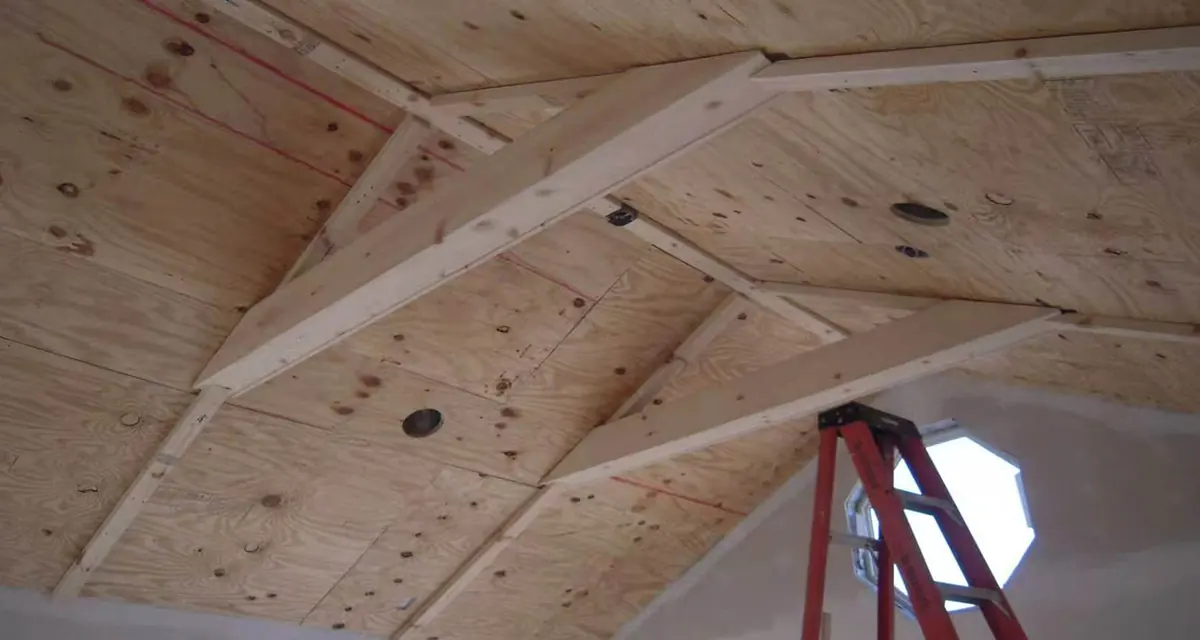
Choosing the right plywood thickness can make or break your project. Here are some detailed tips to ensure you get the perfect fit:
- Measure Carefully
- Accurately calculate the dimensions and load requirements of your project.
- Consider both span and weight—for example, shelves that hold heavy items may need thicker plywood even if the panel size is small.
- Don’t forget to account for any overhangs or unsupported edges.
- Check Plywood Grade
- Higher-grade plywood (A or B grade) typically has fewer knots and defects, making it possible to use thinner sheets without compromising strength.
- Lower-grade plywood may require additional thickness or reinforcement for durability.
- Always match the grade to the visible surface and structural needs.
- Consider Finish and Veneer
- Some veneers or laminates require extra plywood thickness to avoid warping or bowing during finishing.
- For painting or staining, slightly thicker plywood provides better support and a smoother finish.
- For high-end furniture, choosing plywood that complements the veneer both structurally and aesthetically is essential.
- Test Fit
- Whenever possible, cut and test a small section of plywood to ensure it meets your strength, flexibility, and fit requirements.
- This is especially important for curved designs, drawers, or custom furniture.
- Testing first helps prevent costly mistakes and ensures your final product performs as expected.
Conclusion
Selecting the perfect plywood thickness —from 1/4 inch to 3/4 inch—requires balancing strength, cost, and project requirements. Whether building furniture, flooring, or DIY projects, understanding thickness options ensures durability and a professional finish.
Choose wisely, combine thicknesses when needed, and consider environmental and safety factors to make your plywood project a success.
Ready to start your project?
Explore our high-quality plywood selection today and choose the perfect thickness to bring your woodworking or construction ideas to life.