
What Is MDF?
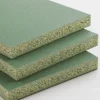
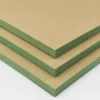
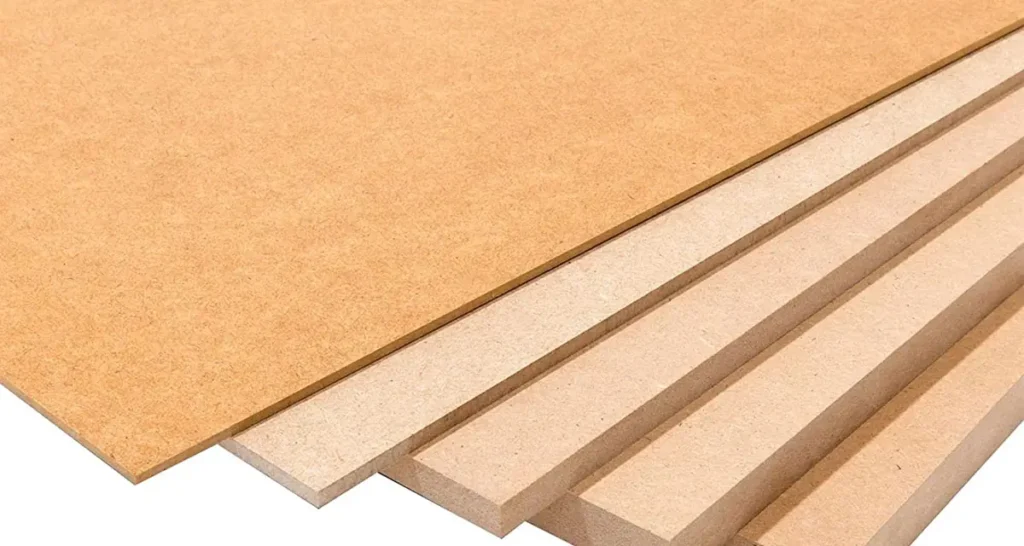
Medium Density Fiberboard (MDF) is a widely used engineered wood product made by compressing wood fibers with resin under high temperature and pressure. It offers a smooth surface, consistent density, and excellent machinability, making it a popular choice for furniture, cabinetry, and interior applications.
Compared to solid wood, MDF is more cost-effective and easier to process. However, concerns about formaldehyde emissions have led many people to question: is MDF banned in the USA?
Is MDF Banned in the USA?
The short answer is no—MDF is not banned in the United States.
MDF is legally manufactured, sold, and used across the country. The confusion often comes from strict regulations regarding formaldehyde emissions, which have led some to mistakenly believe that MDF has been prohibited.
In reality, MDF products must comply with specific environmental and safety standards. As long as manufacturers meet these requirements, MDF remains a widely accepted and commonly used material in the US market.
MDF Regulations in the United States
To ensure indoor air quality and minimize harmful emissions, MDF products in the United States are subject to some of the world’s strictest environmental regulations. These rules primarily focus on limiting formaldehyde emissions, a key concern associated with composite wood products.
The two most important regulatory frameworks include:
CARB Phase 2 (California Air Resources Board)
CARB Phase 2 is one of the most stringent formaldehyde emission standards globally. Originally developed in California, it sets strict limits on emissions from composite wood products, including MDF, particleboard, and hardwood plywood.
Manufacturers must undergo third-party testing and certification to prove compliance. Products that meet these standards are labeled as CARB Phase 2 compliant, making them acceptable not only in California but also widely recognized across international markets.
EPA TSCA Title VI (Toxic Substances Control Act)
The EPA TSCA Title VI regulation is a federal law that expanded CARB standards to apply across the entire United States. It establishes nationwide requirements for formaldehyde emissions from composite wood products, ensuring consistency in safety and quality.
Under this regulation:
- MDF manufacturers must meet specific emission limits
- Products must be tested by EPA-approved third-party certifiers
- Proper labeling and documentation are required for traceability
- Importers must also ensure compliance for products entering the US market
What These Regulations Mean for Buyers
These regulations require manufacturers to produce low-emission MDF boards that are safe for indoor environments. As a result, modern MDF products are significantly safer than older versions.
For buyers and importers, this means:
- Always choose MDF labeled as CARB Phase 2 or EPA TSCA Title VI compliant
- Verify supplier certifications and test reports
- Ensure products are suitable for indoor use, especially in furniture and cabinetry
Certified MDF products are rigorously tested, clearly labeled, and widely accepted in the US market, giving both manufacturers and end users greater confidence in their safety and performance.
Is MDF Safe to Use Indoors?
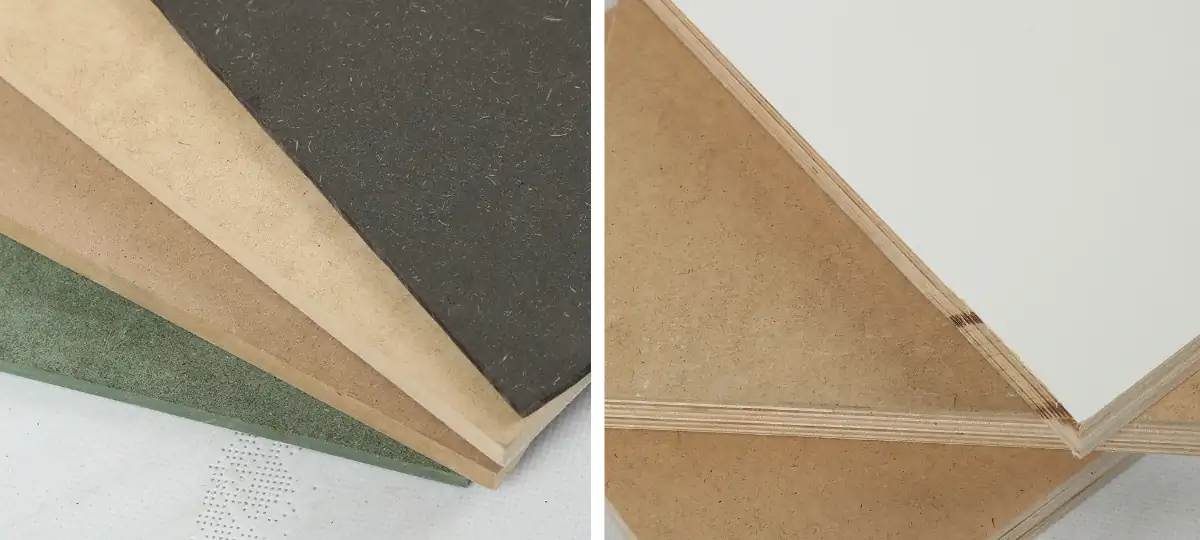
Yes, MDF is safe for indoor use when it meets US regulatory standards.
Modern MDF boards are designed to have very low formaldehyde emissions. Certified products (CARB Phase 2 / EPA compliant) are commonly used in:
- Indoor furniture
- Cabinets and wardrobes
- Decorative wall panels
- Shelving systems
For best results, users should ensure proper ventilation and choose certified MDF products from reliable suppliers.
Where Can MDF Be Used in the USA?
MDF is widely used across multiple industries in the United States due to its versatility and affordability. Common applications include:
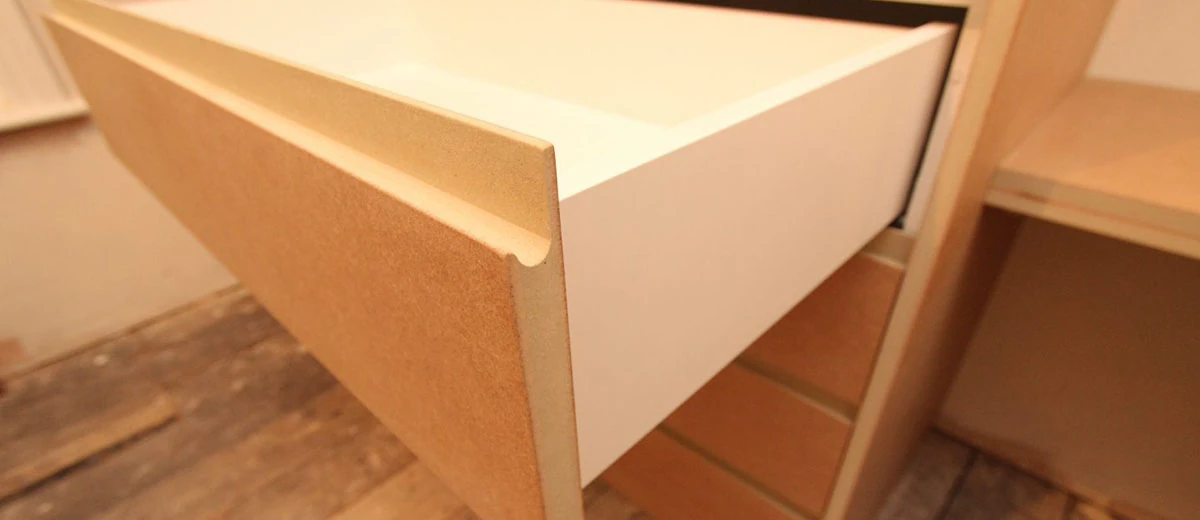
- Furniture manufacturing – desks, cabinets, wardrobes
- Interior decoration – wall panels, moldings, trims
- Construction – non-structural components
- DIY projects – shelving, craft work
However, MDF is generally not recommended for high-moisture environments unless it is specially treated (e.g., moisture-resistant MDF).
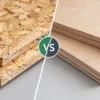
MDF vs Plywood: Which Is Better?
When choosing between MDF and plywood, it depends on your application:
MDF Advantages:
- Smooth surface for painting and laminating
- Uniform structure with no knots
- Cost-effective for interior use
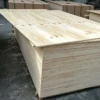
Plywood Advantages:
- Higher strength and durability
- Better moisture resistance
- Suitable for structural applications
For furniture and decorative uses, MDF is often preferred. For load-bearing or humid environments, plywood is usually the better option.
Conclusion
So, is MDF banned in the USA? Absolutely not.
MDF remains a legal and widely used material, provided it meets strict emission standards such as CARB Phase 2 and EPA TSCA Title VI. Modern MDF products are safer than ever and suitable for a wide range of indoor applications.
If you are sourcing MDF or alternative materials like plywood, it is essential to work with a reliable supplier that provides certified, high-quality products.
Looking for premium MDF or plywood solutions? Contact us today to get expert advice and competitive pricing for your projects.