
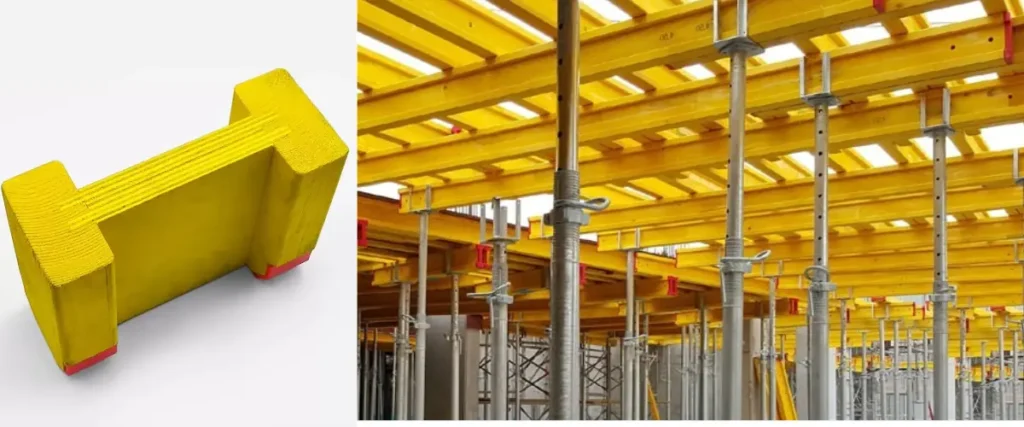
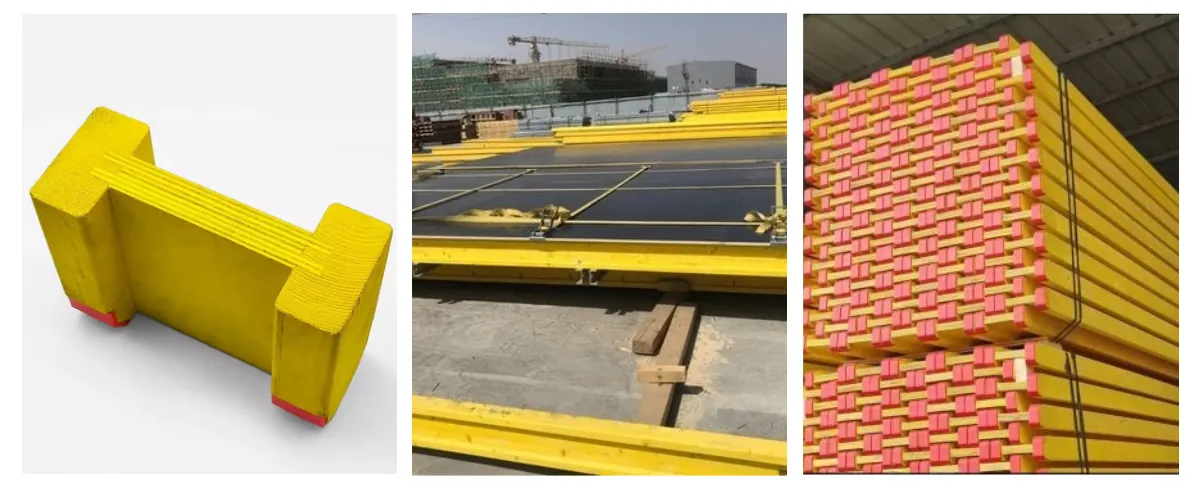
What Is an H20 Timber Beam?
An H20 timber beam is a standard engineered wooden beam widely used in concrete formwork systems, scaffolding, and construction projects. It features a distinctive H-shaped cross-section, typically made of high-quality solid wood or LVL flanges combined with a plywood or solid web, ensuring excellent structural stability.
These beams are usually coated with a protective layer to enhance moisture resistance and extend service life. Thanks to their lightweight structure, high load-bearing capacity, and strong bending resistance, H20 timber beams are easy to handle and highly durable.
In addition, their reusability and dimensional stability make them a cost-effective and reliable solution for modern construction. They are widely applied in floor slabs, wall formwork, and beam formwork across residential, commercial, and industrial projects.
Key Factors to Consider When Choosing an H20 Beam
1. Load Capacity and Strength
One of the most critical factors is the load-bearing capacity. Different projects require different strength levels.
- Ensure compliance with construction standards
- Match the beam strength with your project requirements
2. Beam Specifications and Dimensions
Standard H20 timber beam specifications usually include:
- Height: 200mm
- Length: 1.8m – 6m (customizable)
- Weight: Lightweight for easy handling
Always confirm the standard size of H20 timber beam before purchasing.
3. Material Quality
- Durable solid wood or LVL
- High-density plywood web
- Waterproof glue (WBP)
Good materials ensure longer service life and better performance under pressure.
4. Surface Treatment
- Waterproof coating
- UV-resistant paint
- Anti-corrosion protection
This improves durability, especially in outdoor construction environments.
5. Application Scenario
- H20 timber beam for concrete formwork system
- H20 beam for slab formwork construction
- H20 timber beam for wall formwork
Different uses may require different specifications.
Advantages of Using H20 Timber Beams in Construction Projects
H20 timber beams have become increasingly popular in the construction industry because they deliver a strong combination of performance, efficiency, and cost savings. As engineered wood products, they offer a lightweight yet durable structure, which allows workers to handle, transport, and install them more easily. According to the National Institute of Standards and Technology, contractors can reduce labor costs by up to 15% when using H20 beams instead of traditional materials.
Another key benefit lies in their excellent dimensional stability. Unlike solid wood, H20 timber beams resist warping, shrinking, and deformation under normal working conditions. This stability helps ensure accurate alignment and a precise fit during installation, improving overall construction quality.
H20 Timber Beam Price: What to Expect
The H20 timber beam price per meter varies depending on:
- Material quality
- Production process
- Order quantity
For contractors, buying H20 timber beams in bulk from a reliable supplier can significantly reduce costs.
How to Choose a Reliable H20 Timber Beam Supplier
- Manufacturing experience
- Certifications and quality control
- OEM/ODM capabilities
- Delivery time and logistics
Working with a professional H20 timber beam manufacturer ensures consistent quality and stable supply.
Best Practices for Maintaining H20 Timber Beams During Construction
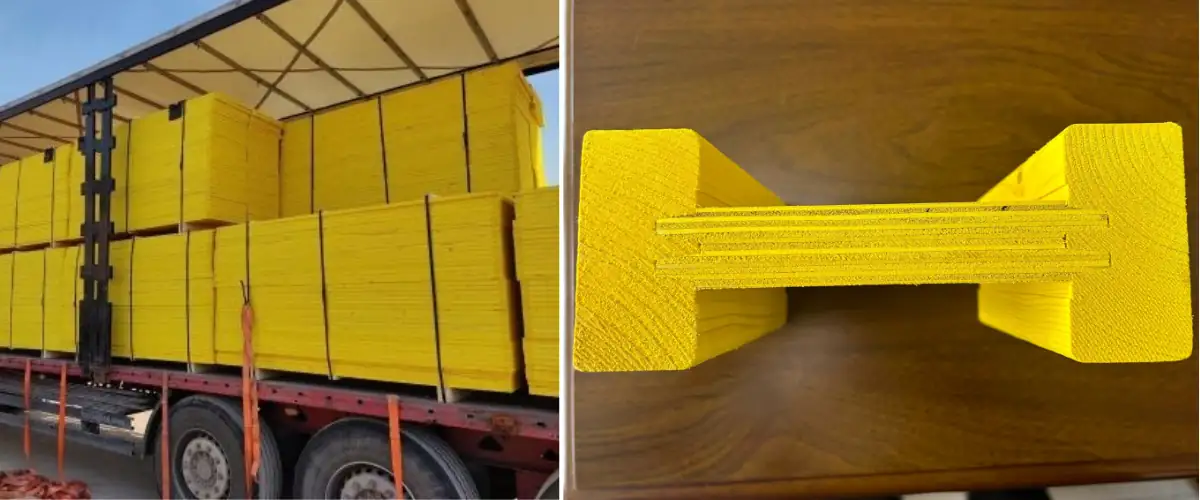
H20 timber beams have become increasingly popular in construction due to their versatility, strength, and cost efficiency. However, proper maintenance during construction is essential to maximize their lifespan and performance. With correct handling and care, contractors can extend the service life of H20 beams by up to 20%.
Control Moisture Exposure
- Inspect beams regularly for moisture
- Avoid direct contact with wet surfaces
- Ensure proper drainage
Conduct Regular Inspections
- Check for cracks and deformation
- Monitor alignment and structure
- Train workers to detect issues early
Store Beams Properly
- Keep beams off the ground
- Cover with waterproof sheets
- Store in dry, ventilated areas
H20 Timber Beam vs Steel Beam
| Feature | H20 Timber Beam | Steel Beam |
|---|---|---|
| Weight | Lightweight | Heavy |
| Cost | More affordable | Higher cost |
| Handling | Easy | Difficult |
| Reusability | High | Medium |
For most formwork applications, H20 beams offer better cost-efficiency and easier handling.
FAQ: H20 Timber Beam Selection
Q1: What is the best H20 timber beam for construction?
High-quality beams with WBP glue and strong LVL flanges are ideal.
Q2: How do I identify a high-quality H20 beam?
- Smooth surface coating
- Strong bonding structure
- Certification and test reports
Q3: Can H20 timber beams be reused?
Yes, high-quality beams can be reused multiple times.
Q4: What is the standard size of an H20 timber beam?
Typically 200mm height with lengths from 1.8m to 6m.
Final Thoughts
Choosing the right H20 timber beam for your building project is not just about price—it’s about performance, durability, and long-term value.
By considering load capacity, specifications, material quality, and supplier reliability, you can ensure a safer and more efficient construction process.