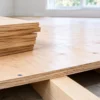

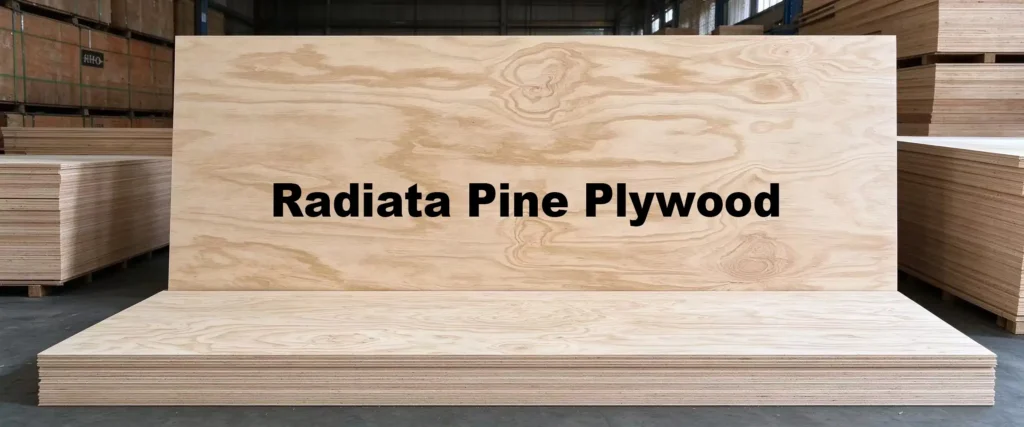
What Is Radiata Pine Plywood?
Radiata Pine plywood is an engineered wood panel made from radiata pine (Pinus radiata), a softwood also known as Monterey pine. The tree grows widely in countries such as New Zealand, Chile, and Australia.
Manufacturers peel or slice the logs into thin sheets of wood called veneers. They apply adhesive to the veneers, stack them with the grain of each layer running at right angles to the next, and press them together under heat. This cross‑laminated structure helps the plywood stay stable and resist warping better than a solid wood panel of the same thickness.
By combining the natural properties of radiata pine with the strength and stability of plywood, this material offers a practical option for furniture making, custom cabinetry, and interior projects. It also delivers a good balance of performance and cost, making it a popular choice for manufacturers and buyers looking for an affordable, versatile wood panel.
What Is Radiata Pine Plywood Used For?
Radiata Pine plywood can be used in numerous applications, depending on its grade, thickness, bonding quality, and surface finish.
Furniture and Cabinet Manufacturing
Radiata Pine plywood is used for cabinet carcasses, shelves, drawer components, wardrobes, and general furniture parts. Its relatively light weight makes panels easier to handle, cut, and assemble.
For visible furniture surfaces, buyers should select an appropriate face grade or apply veneer, paint, or laminate to achieve the desired appearance.
Interior Wall Panels and Ceilings
The natural wood grain of Radiata Pine plywood makes it suitable for decorative wall panels, ceiling linings, and interior fit‑out projects. Sanded panels can provide a clean surface for painting or other finishing treatments.
For interior applications, adhesive emissions, moisture conditions, and local building requirements should be considered before purchasing.
Packaging and Industrial Applications
Depending on its construction and strength requirements, Radiata Pine plywood can be used for crates, protective packaging, storage components, and industrial panels. Lightweight construction can help reduce handling effort and overall packaging weight.
For heavy‑duty packaging, the panel thickness, load capacity, and fixing method should be checked against the intended application.
Construction and DIY Projects
Radiata Pine plywood is also used for partitions, general‑purpose sheathing, work surfaces, and DIY projects. Structural applications require panels with suitable performance ratings and verified compliance with the relevant building standards.
Standard interior plywood should not automatically be assumed suitable for structural or exterior use.
What Are the Benefits of Radiata Pine Plywood?
Excellent Dimensional Stability
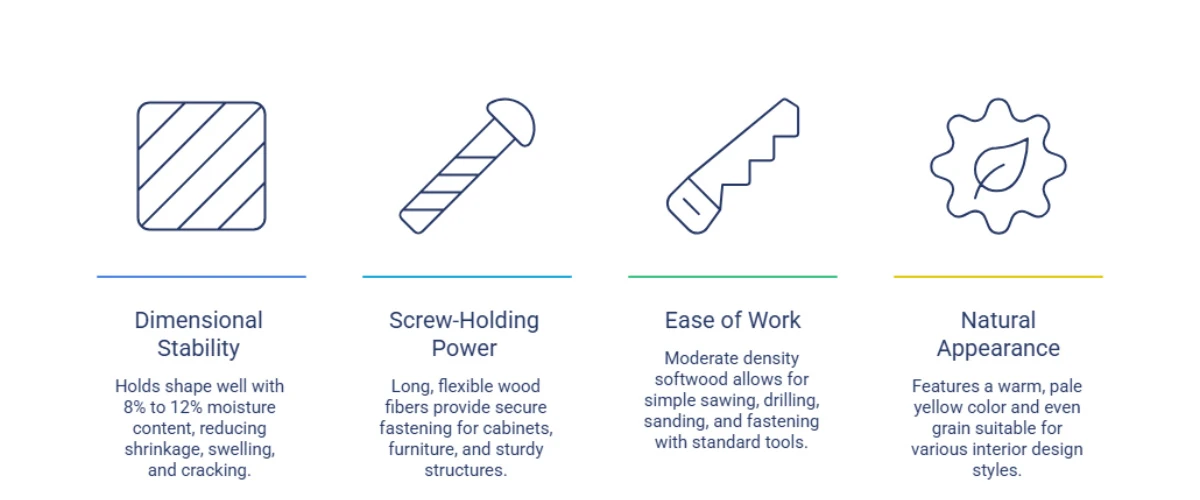
Radiata pine plywood holds its shape well when properly dried and treated to remove excess resin. Its moisture content typically ranges from 8% to 12%, which helps reduce shrinkage, swelling, and the risk of cracking. The cross‑laminated layers also help distribute internal stress throughout the panel. This gives the plywood better dimensional stability over time.
Strong Screw‑Holding Power
Radiata pine has long, flexible wood fibers that help it hold screws securely. This makes the plywood a reliable choice for cabinets, furniture, and other projects that need a sturdy structure. With the right fasteners and proper installation, it can provide dependable support for everyday use.
Easy to Cut and Work With
Radiata pine is a softwood with a moderate density, so it is relatively easy to work with. Standard woodworking tools can handle common tasks such as sawing, drilling, sanding, and fastening. For a cleaner finish, use sharp tools and take care when working on the edges. Choosing the right screws and fasteners also helps improve the finished result.
Natural Wood Appearance
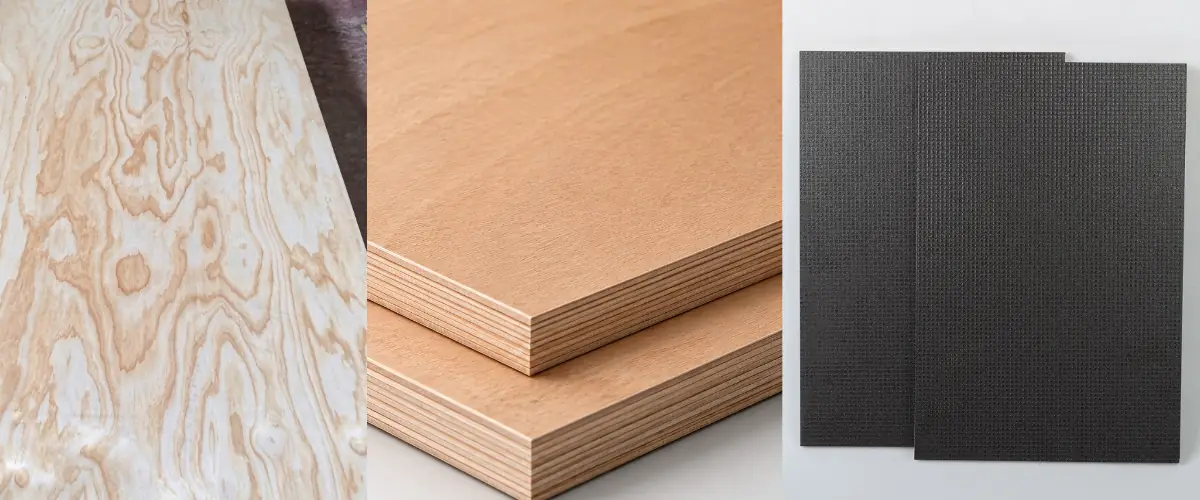
Radiata pine plywood has a warm, pale yellow color and a clean, even grain. Its natural look works well in furniture, cabinetry, and interior projects. Compared with premium hardwoods such as oak and walnut, it is often a more affordable option. It still brings a natural wood feel to spaces with Scandinavian, minimalist, or rustic designs.
Potential Drawbacks
Soft and Prone to Dents
Radiata pine is relatively soft and can dent or scratch easily. It may not be suitable for heavy‑load structures without proper support.
Odor and Formaldehyde Concerns
Radiata pine has a natural resin smell, which may be stronger if the wood is poorly dried. Adhesives used in plywood and finger‑jointed boards may also release formaldehyde, so check emission standards before purchasing.
Radiata Pine Plywood Specifications
Radiata Pine plywood specifications vary by manufacturer, product grade, and destination market. The following table provides common purchasing reference points rather than universal standards.
| Specification | Common Options |
|---|---|
| Wood species | Radiata Pine |
| Panel construction | Cross‑laminated wood veneers |
| Thickness | 3–25 mm, depending on product availability |
| Common dimensions | 1220 × 2440 mm; other sizes may be available |
| Surface finish | Natural, sanded, painted, or laminated |
| Face grade | Depends on appearance and defect requirements |
| Adhesive type | Interior or moisture‑resistant/exterior‑rated systems, as specified |
| Applications | Furniture, cabinetry, interior panels, packaging, and selected construction uses |
Before placing an order, confirm thickness tolerance, veneer quality, core gaps, moisture content, bonding classification, formaldehyde emission requirements, and applicable product certifications with the supplier.
For load‑bearing applications, request relevant test reports or structural performance documentation rather than relying on wood species alone.
Radiata Pine Plywood vs. Birch Plywood
Radiata Pine plywood and birch plywood serve different market needs.
Radiata Pine plywood is often selected for its lighter appearance, ease of processing, and practical cost‑to‑performance balance. It can be suitable for general furniture components, interior panels, packaging, and projects where a softwood panel meets the performance requirements.
Birch plywood is generally denser and is often chosen for its strength‑to‑thickness characteristics, more uniform appearance, and suitability for applications requiring a refined exposed edge or durable panel construction.
Neither material is automatically better for every project. The best choice depends on load requirements, face quality, moisture exposure, machining needs, budget, and the specifications of the finished product.
How to Choose the Right Radiata Pine Plywood
Before purchasing Radiata Pine plywood, consider these five factors:
1. Choose the Right Grade for Your Project
- Furniture and interiors: AB or AC grade offers a smoother surface for painting, clear coating, or decorative veneers.
- Concealed construction: BC grade is a cost‑effective option. Check the core quality and bonding strength.
- Outdoor and damp areas: Choose plywood with suitable moisture resistance. Standard interior plywood is not designed for prolonged moisture exposure.
2. Check Thickness and Dimensions
A common size is 1220 × 2440 mm (4 × 8 ft). Use 18 mm plywood for many furniture and cabinet parts, and 9 mm or 12 mm panels for backs and decorative applications. Match the thickness to your project’s load and installation needs.
3. Inspect the Surface and Core
Check for cracks, excessive knots, uneven surfaces, core gaps, and delamination. For bulk orders, request samples before purchasing.
4. Check Moisture Content and Bonding
For many interior applications, 8%–12% moisture content is a useful reference. Confirm the adhesive type and water‑resistance rating, and ask for test reports. Don’t judge performance by the adhesive name alone.
For wholesale buyers, it is also useful to confirm minimum order quantities, packaging methods, production lead times, sample availability, and container loading plans before finalizing an order.
Source Radiata Pine Plywood from Baitwood
Choosing the right Radiata Pine plywood depends on your project needs, quality standards, and budget. Baitwood offers plywood solutions for furniture, interior applications, packaging, and wholesale distribution.
Looking for a reliable plywood supplier? Contact Baitwood to discuss available sizes, thicknesses, surface grades, and bonding options. Our team can help you find the right plywood for your market and application.
Request a quote today and let Baitwood support your next plywood order.