
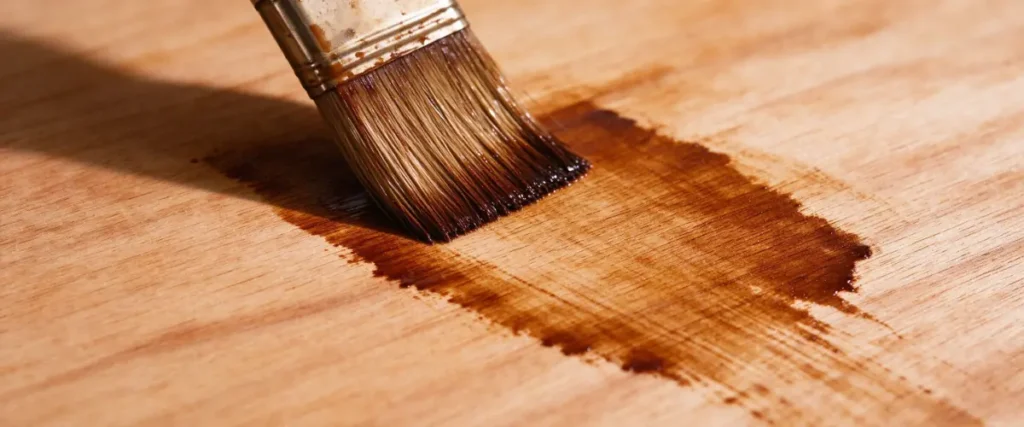
What Types of Plywood Can Be Stained?
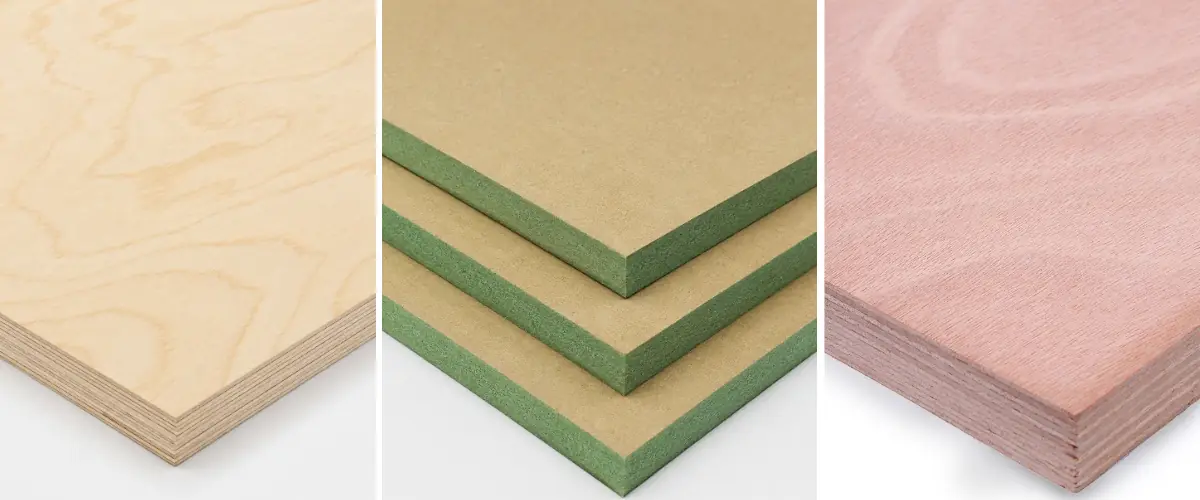
Many types of plywood can be stained, but not every panel is equally suitable for the job. The final result largely depends on the type of wood veneer, the tightness of its grain, and the condition of the plywood surface. These factors can make a big difference in how evenly the stain is absorbed and how consistent the finished color looks.
1. Birch Plywood
Birch plywood is one of the better choices for staining. Birch has a fine, even grain and a naturally light color, making it a popular option when you want a clean, consistent finish. Its light surface also provides a good base for a wide range of stain colors.
Birch plywood also absorbs wood stains and finishing oils well, which can help produce a smooth, even finish while allowing the natural grain to show through. It is commonly used for cabinets, shelves, furniture, storage units, wall paneling, and DIY projects.
Typical applications include:
- Cabinets
- Tables
- Bookshelves
- Furniture
- Storage units
- DIY projects
- Interior wall paneling
Because birch plywood has a relatively fine and uniform grain, it tends to produce a more consistent appearance than plywood made from wood species with a coarser grain.
2. Oak Plywood
Oak plywood has a more noticeable grain pattern. When stained, the grain can become more pronounced, creating a traditional or decorative wood appearance.
Oak plywood can work well for:
- Furniture
- Cabinets
- Doors
- Shelving
- Interior decoration
3. Pine Plywood
Pine plywood can also be stained, but its surface may absorb stain unevenly. Softwood plywood often benefits from additional preparation before staining.
Using a pre‑stain wood conditioner can help reduce uneven absorption in some applications.
4. Hardwood Plywood
Many hardwood plywood products can be stained as long as the exposed face is unfinished natural wood veneer. The final result will depend on the specific wood species and surface quality.
For projects where appearance is important, always check the plywood face before purchasing.
What Is the Best Stain for Plywood?
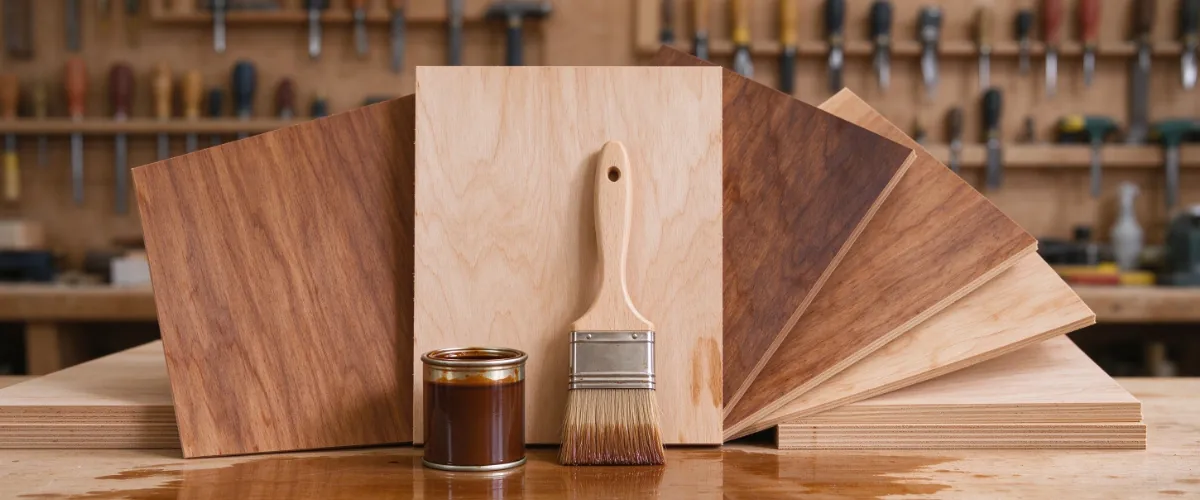
There is no single best stain for plywood because the right product depends on the plywood species, desired color, application, and final use.
Common stain options include:
Oil‑Based Wood Stain
Oil‑based stains generally provide deep color and can emphasize the natural wood grain.
They are commonly considered for furniture and interior woodworking projects where a rich appearance is desired.
Water‑Based Wood Stain
Water‑based stains typically dry faster and are available in many colors. They can be useful when you want a cleaner‑looking finish or shorter drying time.
Gel Stain
Gel stains have a thicker consistency and can be useful when you want more control over color application.
They may also be considered for surfaces where traditional liquid stains tend to absorb unevenly.
When choosing a stain, always check that it is suitable for the plywood and the intended application.
Common Methods for Staining and Coloring Plywood
1. Hardwax Oil
Hardwax oil is one of the most popular finishes for DIY projects and high‑end furniture. It is typically made from natural oils and waxes, offering a more natural‑looking finish while allowing the layered construction and natural wood grain of plywood to remain visible.
For a colored finish, pigment can be mixed into the hardwax oil before application. Another option is to apply a clear oil first and then add a layer of colored hardwax oil. The main advantages are its smooth, natural feel and the fact that small scratches or worn areas can usually be touched up without refinishing the entire surface.
The downside is that hardwax oil generally provides less protection than paint. Plywood can also be relatively dry and absorbent, especially certain types of marine plywood, so it may take more product to achieve an even, saturated finish.
2. Water‑Based or Oil‑Based Paint
Water‑based acrylic or polyurethane paints can also be used to change the color of plywood. If you want to keep the natural wood grain visible, you can use a wipe‑on coloring technique. Simply apply a small amount of tinted finish with a cloth and wipe it along the grain, adjusting the amount of color until you reach the desired depth.
If your goal is to cover the wood grain completely, including the exposed plywood edges, an opaque paint can be brushed or sprayed onto the surface.
Water‑based paint dries relatively quickly and generally produces fewer VOC emissions, making it a practical choice for indoor DIY projects. Oil‑based paint tends to offer better resistance to wear and scratches, but it usually has a stronger odor and takes longer to dry.
3. Chemical Wood Stains Used in Manufacturing
In industrial plywood production, manufacturers may use specialized acidic or alkaline staining processes to color wood veneers. Depending on the process, the veneers can be treated under pressure, heat, or vacuum so that the coloring penetrates deeper into the wood fibers.
This type of treatment provides better color penetration and durability, with less risk of the color fading or wearing away. It is commonly used when producing reconstituted wood veneer and premium decorative plywood.
However, this level of deep color penetration is difficult to reproduce with standard DIY methods at home.
4. Semi‑Transparent Finishing
Semi‑transparent finishing falls somewhere between a clear wood finish and a solid‑color paint. The process typically starts with sealing the veneer and applying a base color. Transparent primer and a semi‑transparent topcoat are then used to fine‑tune the final color.
This approach can help minimize natural color variations and minor imperfections in plywood while still allowing the wood grain to show through. The result is a fuller, more refined finish that is often used for custom cabinetry and decorative cabinet doors.
Standard Plywood Staining Process
- Apply a Base Coat: If you are working with a dry or highly absorbent plywood surface, such as some types of marine plywood, apply a thin coat of clear oil or diluted water‑based finish first. This helps condition the surface and reduces uneven absorption, making the final color more consistent.
- Apply a Thin Coat of Stain: Stir the stain thoroughly and apply a thin, even coat in the direction of the wood grain. Avoid applying too much product at once, as a heavy coat can lead to drips, runs, and visible brush marks.
- Wipe Off the Excess: After about 5–10 minutes, or according to the product manufacturer’s instructions, use a clean, dry cloth to wipe away excess oil or stain along the direction of the grain. This step is important for achieving an even color and preventing blotchy areas.
- Allow It to Dry: Leave the plywood in a well‑ventilated area for around 6–8 hours, allowing the finish to fully absorb and cure. Always follow the drying time recommended by the product manufacturer.
- Lightly Sand and Recoat: Once the surface is completely dry, lightly sand away any raised fibers or rough spots with 1000‑ to 1500‑grit sandpaper or a fine abrasive pad. Wipe away the dust, then apply another 1–2 thin coats until you reach the desired color depth.
Common Mistakes and Tips
- Treat the Edges Differently: Plywood edges are more absorbent because they expose multiple veneer layers. Apply extra coats or seal the edges first to prevent them from absorbing too much stain and turning noticeably darker than the face.
Can You Stain Plywood Without Sanding?
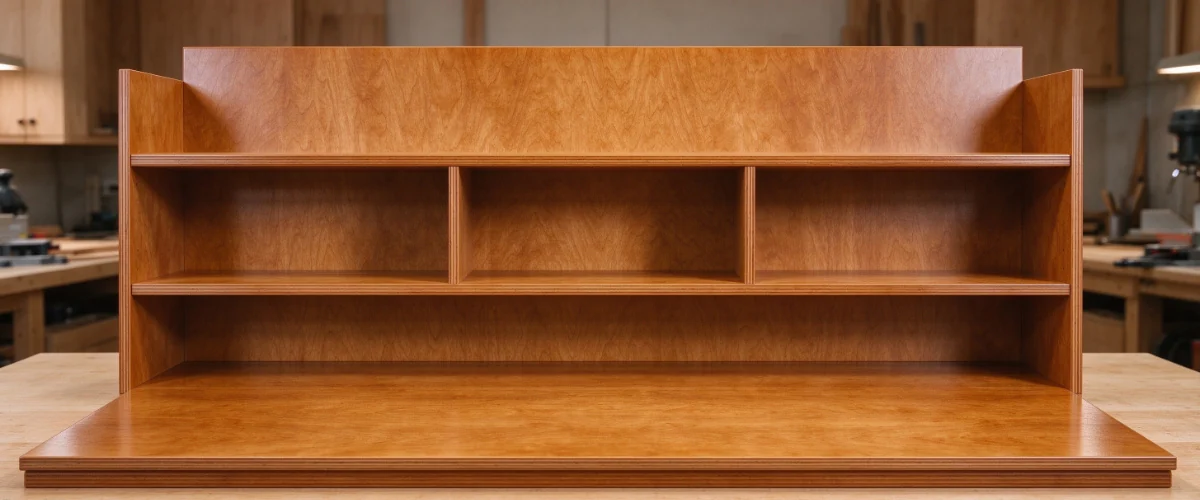
It is possible in some situations, but sanding is generally recommended before staining unfinished plywood.
Sanding removes minor surface imperfections and helps create a more consistent surface.
For plywood, avoid aggressive sanding. Starting with a medium grit and finishing with a finer grit is usually safer than using very coarse sandpaper.
The goal is to prepare the surface without damaging the face veneer.
Staining Plywood vs. Painting Plywood
Both staining and painting can improve the appearance of plywood, but they create different results.
Staining plywood allows the natural wood grain and veneer appearance to remain visible. It is a good option when you want a natural wood look.
Painting plywood provides more control over the final color and can hide variations in the wood surface.
Choose staining when the natural appearance of the plywood is part of the design. Choose painting when you want a solid, uniform color.
Frequently Asked Questions About Staining Plywood
Can plywood be stained like solid wood?
Yes. Plywood with a natural wood veneer can generally be stained in a similar way to solid wood. However, the veneer construction means you need to be more careful when sanding.
Does plywood take stain well?
Many plywood products take stain well, especially those with good‑quality natural wood veneers. However, absorption can vary depending on the wood species and surface condition.
What is the best plywood for staining?
The best plywood depends on the desired appearance and application. Birch plywood and other hardwood plywood can be suitable choices when a smooth, natural finished surface is required.
How do you stain plywood without blotching?
Prepare the surface carefully, sand evenly, consider using a pre‑stain conditioner when appropriate, and test the stain before applying it to the entire panel.
Final Thoughts
So, can plywood be stained? Yes.
Staining is a practical way to enhance the natural appearance of plywood while keeping its wood grain visible. The key to a good result is not simply choosing the right stain—it is also choosing suitable plywood and preparing the surface correctly.
For the best results, sand the plywood carefully, test the stain first, apply it evenly, allow sufficient drying time, and use a compatible protective finish.
If you are looking for plywood for furniture, cabinets, shelves, or DIY projects, choosing a high‑quality plywood with a suitable face veneer can make the staining process much easier and help achieve a more consistent finished appearance.
Looking for quality plywood for your next project? Contact Baitwood to discuss plywood options, specifications, and customized solutions for your application.