
What Is Melamine Plywood?
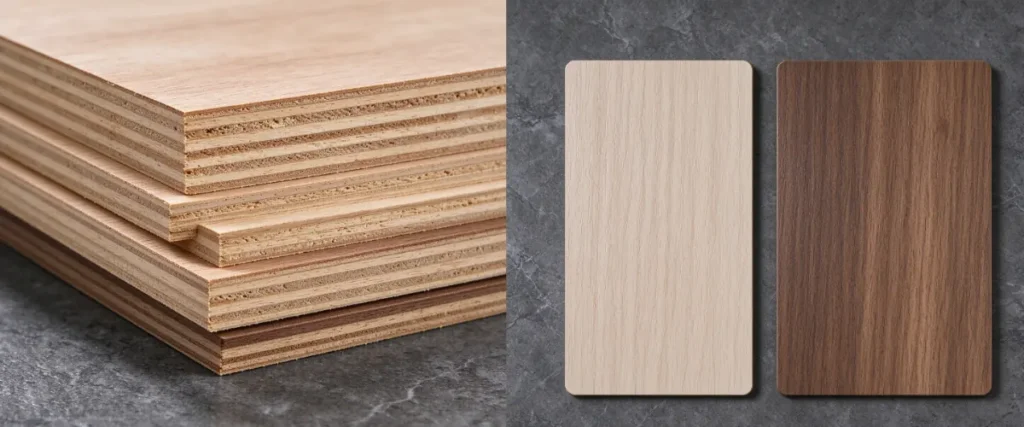
In the furniture and interior design industries, melamine plywood is often referred to as melamine‑faced plywood, melamine board, or simply melamine panels. In China, people also commonly call it an eco‑board or paint‑free board. Its full technical name is melamine‑impregnated paper‑faced wood‑based panel.
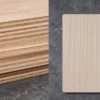
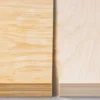
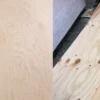
Put simply, melamine plywood combines a wood‑based core with decorative paper bonded to its surface. It is not solid wood. Many products sold as melamine boards use the same basic construction.
It is also important to distinguish melamine‑faced plywood from melamine‑faced MDF and particleboard. They may look similar on the surface, but their core materials and mechanical properties differ. These differences affect their strength, durability, and suitability for different applications.
Is Melamine Plywood the Same as Melamine Board?
Melamine plywood is often confused with other melamine‑faced boards. They may share the same decorative surface, but their core materials and construction are quite different.
Most standard melamine boards use particleboard or MDF as the core. Melamine plywood, on the other hand, uses multiple layers of wood veneer bonded together. This layered structure generally provides better screw‑holding strength, load‑bearing capacity, and edge durability. It makes melamine plywood a practical choice for cabinets, shelving, furniture frames, and applications that require repeated screw fastening.
Melamine plywood and melamine‑faced MDF can look almost identical, but their core structures affect how they perform in everyday use. Read our guide to Melamine Board vs. Plywood: Key Differences to learn more about their properties and best uses.
If your project needs a smooth, decorative panel with an MDF core, take a look at our Melamine‑Faced MDF. Comparing it with melamine plywood can help you choose the right material for your application.
How Is Melamine Plywood Made?
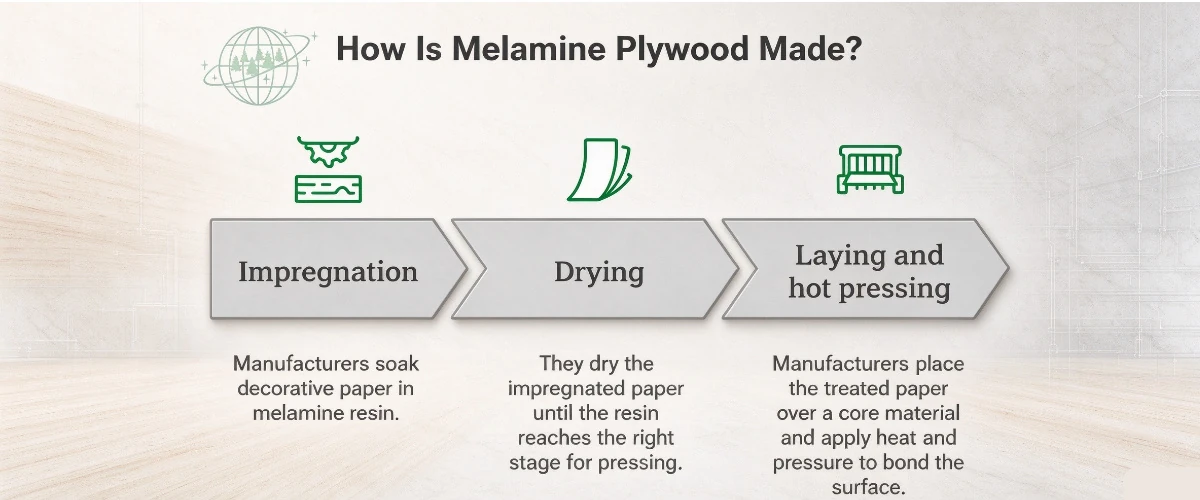
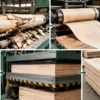
Melamine plywood is not solid wood. It is an engineered panel made by bonding decorative paper to a wood‑based core.
The manufacturing process for melamine‑faced panels involves three main steps:
- Impregnation: Manufacturers soak decorative paper in melamine resin. The paper can feature different colors, patterns, or woodgrain designs.
- Drying: They dry the impregnated paper until the resin reaches the right stage for pressing.
- Laying and hot pressing: Manufacturers place the treated paper over a core material, such as particleboard, MDF, plywood, or multi‑ply board. They then apply heat and pressure to cure the resin and bond the decorative surface firmly to the core.
Common Melamine Plywood Sizes
Melamine plywood is available in several sizes to suit different furniture and interior design projects.
- Standard 4 × 8 ft Sheets: This is one of the most common panel sizes in North America and many other markets. It measures approximately 1219 × 2438 mm, often rounded to 1220 × 2440 mm.
- Larger European‑Style Panels: Some imported decorative panels, including premium products from brands such as Cleaf, come in larger formats. Common examples include 1200 × 2400 mm, 1220 × 2800 mm, and 2070 × 2800 mm. Larger panels can be useful for floor‑to‑ceiling cabinet doors and other seamless‑looking designs. Actual sizes vary by manufacturer and product range.
- Other Available Sizes: Depending on the application and supplier, you may also find panels measuring 1220 × 1830 mm or 915 × 1830 mm.
Common Thickness Options
Melamine plywood comes in a range of thicknesses. The right choice depends on the furniture design, load requirements, and local market standards.
- Standard Thicknesses: 12 mm, 15 mm, and 18 mm are common choices for cabinet construction, shelving, and general furniture applications.
- Other Thicknesses: Some suppliers offer 8 mm, 19 mm, and 25 mm panels. The 19 mm option is close to 3/4 inch, a common thickness in North America.
Available sizes and thicknesses vary by manufacturer. Always confirm the specifications with your supplier before placing an order.
What Are the Benefits of Melamine Plywood?
- Scratch and Wear Resistance: The hard surface stands up well to everyday use. Minor scuffs and bumps from items like keys are less likely to leave visible marks.
- Stain‑Resistant and Easy to Clean: The dense surface helps resist stains and moisture. Coffee, soy sauce, and other common spills are easy to wipe away. It also offers good resistance to everyday oils, alcohol, and mild acids or alkalis.
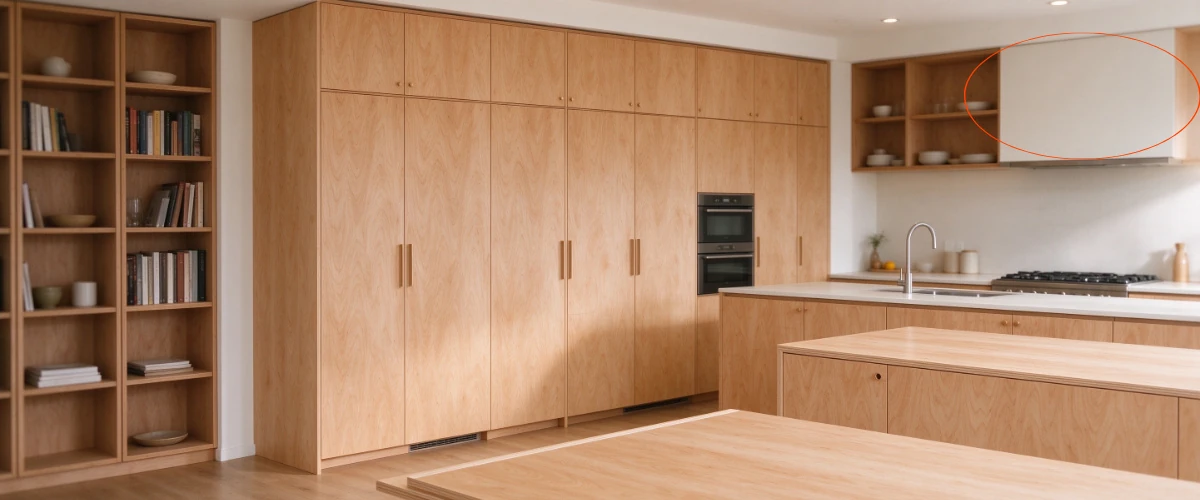
- A Wide Range of Colors and Designs: Decorative paper comes in many colors, patterns, and textures. Options include woodgrain, solid colors, and fabric‑inspired finishes, making it easy to match different interior styles.
- Stable and Lower in Emissions: Once fully cured, melamine resin forms a stable surface layer. The decorative finish also helps limit the release of formaldehyde from the core, although actual emissions depend on the core material, adhesives, and product quality. Look for products that meet relevant emissions standards.
- Reliable Structural Performance: When plywood serves as the core, its cross‑layered veneer structure provides good dimensional stability, screw‑holding strength, and impact resistance. It can also handle moderate moisture exposure, depending on the adhesive and edge treatment.
- Cost‑Effective: Compared with high‑gloss lacquer finishes or solid wood veneer, melamine‑faced panels are often more affordable and require less finishing work. They offer a practical option for cabinet carcasses, cabinet doors, shelving, and other furniture components.
What Are the Common Uses of Melamine Plywood?
Thanks to its durable surface and attractive finish, melamine plywood is widely used in interior design and furniture manufacturing.
- Cabinet Construction: Ideal for wardrobes, bookcases, kitchen cabinets, and shelving.
- Desktops and Tabletops: Commonly used for office desks, computer desks, coffee tables, and other flat surfaces.
- Wall Panels and Partitions: Suitable for interior wall cladding, decorative panels, and room dividers.
- Other Furniture Applications: Used for flat cabinet doors, shoe cabinets, storage units, and other indoor furniture.
Buying Guide: How to Choose Melamine Plywood
- Check Formaldehyde Emission Ratings: Cured melamine resin is stable, but formaldehyde emissions can come from the adhesives used in the core. Ask for a test report and check that the product meets the relevant emissions standards for your market. In China, look for E0 or ENF ratings where applicable.
- Not Suitable for Complex Profiles: Melamine‑faced panels work best with flat designs. Their finished surfaces are not suitable for routing, carving, or creating curved profiles without damaging the decorative layer. If you want cabinet doors with raised panels or intricate details, consider another material.
- A More Practical Surface Finish: Compared with PET panels or real wood veneer, melamine finishes may offer a less natural look and feel. However, they come in a wide range of designs and provide a practical, budget‑friendly option for everyday furniture.
- Avoid Prolonged Water Exposure: Melamine plywood can handle everyday moisture, but it is not waterproof. Long‑term exposure to water can cause the core to swell or the edges to deteriorate. For kitchens and bathrooms, choose moisture‑resistant panels with suitable edge sealing and follow the manufacturer’s recommendations.
Frequently Asked Questions About Melamine Plywood
What is melamine plywood used for?
Melamine plywood is used for kitchen cabinets, wardrobes, office furniture, shelving, storage units, retail displays, and other indoor furniture applications. It combines a decorative surface with a plywood core.
Is melamine plywood better than regular plywood?
Melamine plywood is useful when a ready‑made decorative surface is required. Regular plywood offers more flexibility for painting, staining, veneering, or other finishing processes.
The better option depends on the intended application, surface requirements, core grade, and overall project budget.
Is melamine plywood stronger than MDF?
Melamine plywood often offers better structural performance and screw‑holding capability than standard MDF in comparable furniture applications, but the result depends on panel thickness, plywood grade, MDF density, and fastening design.
A specification‑based comparison is more reliable than a general claim that one material is always stronger.
Can melamine plywood be painted?
Yes, but the melamine surface is designed as a finished decorative layer, so ordinary paint may not adhere well without suitable surface preparation and a compatible primer.
If a painted finish is the main requirement, raw plywood or an appropriate paint‑grade panel may be a more practical starting point.
Source Melamine Plywood for Your Furniture Projects
Choosing the right melamine plywood involves more than selecting a color or surface pattern. Core quality, thickness, bonding performance, edge treatment, and intended use all affect the final result.
At Baitwood, buyers can discuss plywood specifications, decorative finishes, panel dimensions, and sourcing requirements for furniture manufacturing and interior projects.
Whether you are sourcing materials for cabinets, wardrobes, shelving, or commercial furniture, defining your requirements clearly helps you identify a suitable product for your market.
Contact Baitwood to discuss your melamine plywood requirements and request product details for your next project.