
Understanding the Weight of a 4×8 Plywood Sheet
The following chart provides general weight estimates for common 4×8 plywood sheets. Actual weights vary by wood species, core construction, density, and manufacturing specifications.
| Plywood Thickness | Approximate Weight per Sheet |
|---|---|
| 1/4 inch (approximately 6.35 mm) | 20–25 lbs |
| 3/8 inch (approximately 9.53 mm) | 25–35 lbs |
| 1/2 inch (approximately 12.7 mm) | 35–50 lbs |
| 5/8 inch (approximately 15.88 mm) | 40–60 lbs |
| 3/4 inch (approximately 19.05 mm) | 50–70 lbs |
| 1 inch (approximately 25.4 mm) | 65–90 lbs |
Note: These are general estimates for common plywood products, not guaranteed product specifications. Actual sheet weights can fall outside these ranges depending on the material and construction. Nominal thickness may also differ slightly from measured thickness. Check the manufacturer’s technical data for precise values.
The most common thicknesses used in construction and woodworking include 1/2 inch and 3/4 inch. Half-inch plywood is often used for sheathing, cabinets, and general DIY projects, while 3/4-inch plywood is a popular choice for shelving, furniture, and applications that require greater stiffness. For a more detailed comparison of panel sizes and uses, read Baitwood’s guide to choosing the right plywood thickness.
How Much Does 3/4-Inch 4×8 Plywood Weigh?
A standard 3/4-inch 4×8 plywood sheet typically weighs between 50 and 70 pounds. However, the exact weight depends on the wood species, core construction, moisture content, and manufacturing process.
For example, a panel made with a lightweight softwood core may weigh less than a comparable panel made with denser wood. Specialty plywood, laminated panels, and products with additional coatings or treatments may have different weights. Film-faced plywood, for instance, has a coated surface that can affect the finished panel’s weight. See Baitwood’s film-faced plywood thickness chart and guide for more information.
If you’re planning to install plywood flooring, build cabinets, or construct heavy-duty shelving, checking the panel’s actual weight is important. A full-size sheet can be awkward to lift and maneuver even when its weight falls within the expected range.
For projects involving multiple panels, multiply the estimated weight per sheet by the number of sheets to calculate the approximate total load. Remember to account for packaging and pallets when applicable, and verify transportation or structural load limits before use.
Why Does 4×8 Plywood Vary in Weight?
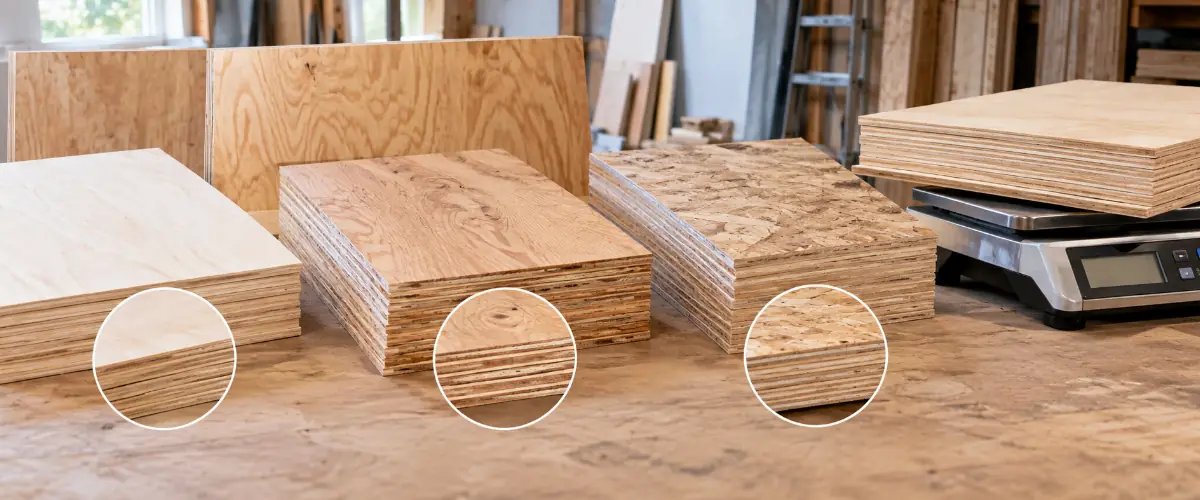
A standard 4×8 sheet of plywood measures 4 feet by 8 feet, or approximately 1,219 × 2,438 mm. Even when two sheets have the same nominal dimensions and thickness, their weights can differ because of variations in wood density, moisture content, core construction, and manufacturing methods.
Key Factors That Affect Plywood Weight
Wood Species and Density: The wood used in the face veneers and core plays a major role in determining a sheet’s weight. Plywood made with lighter woods, such as some pine or poplar products, may weigh less than panels made with denser species, such as birch or eucalyptus. Density varies by species, grade, moisture content, and product construction, so there is no single density range that applies to all plywood.
Thickness and Number of Layers: Plywood is available in various thicknesses, including 1/4 inch, 3/8 inch, 1/2 inch, 5/8 inch, and 3/4 inch. Thicker panels generally contain more wood and weigh more when other factors are comparable. Panels with the same nominal thickness can still differ in weight because of differences in veneer thickness, core materials, and layer construction.
Moisture Content: Wood absorbs moisture from the surrounding environment. Plywood stored in humid conditions may contain more moisture and weigh more than a comparable dry panel. Moisture content depends on storage conditions, manufacturing processes, and the intended application.
Adhesive Type and Amount: Manufacturers bond plywood veneers with adhesives under controlled pressure and, in many cases, heat. Different resin systems, such as urea-formaldehyde and phenol-formaldehyde, may contribute differently to the finished panel’s weight. However, adhesive is only one factor; the amount used and the overall panel construction also matter. Products intended for exterior or humid environments may use adhesive systems designed for those conditions.
Manufacturing Methods and Surface Treatments: Manufacturing processes can affect the finished weight. Sanding removes a small amount of material, while surface coatings and chemical treatments may add weight. For example, film-faced plywood used for concrete formwork has a coated surface. Fire-retardant or insect-resistant treatments may also affect the weight, depending on the product and treatment process.
Can One Person Lift a 4×8 Sheet of Plywood?
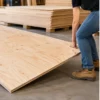
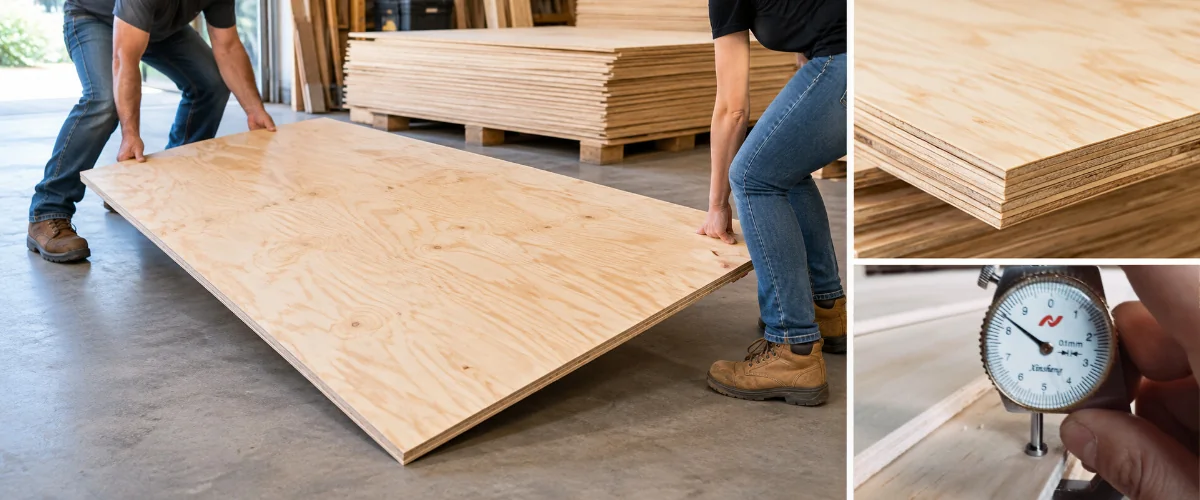
One person may be able to lift a 4×8 sheet of plywood, but moving it safely depends on the sheet’s weight, the person’s physical ability, the lifting conditions, and the available space. The challenge isn’t just the weight. A full-size panel is awkward to grip, difficult to balance, and harder to maneuver alone than a smaller piece of material.
Why Is It So Difficult to Handle Plywood Alone?
Heavy Weight: A 1/2-inch sheet of plywood typically weighs around 35–50 pounds (16–23 kg), while a 3/4-inch sheet may weigh 50–70 pounds (23–32 kg). Actual weights vary by product, wood species, and moisture content.
Oversized Dimensions: A 4×8 sheet covers 32 square feet, or approximately 2.97 m². Its large surface makes it difficult to maintain a firm grip and keep the panel balanced while moving.
Wind Resistance and Limited Visibility: Outdoors, wind can catch the broad surface and make the sheet harder to control. The panel may also block your view, increasing the risk of tripping, bumping into objects, or dropping it.
Handling Tip: If a sheet is heavy, you need to carry it a long distance, or the route is narrow, ask someone to help. A panel carrier or material-handling cart may also make the job easier. Use a handling method that allows you to maintain control of the sheet and reduce the risk of injury or damage.
How Many 4×8 Plywood Sheets Can a Truck Carry?
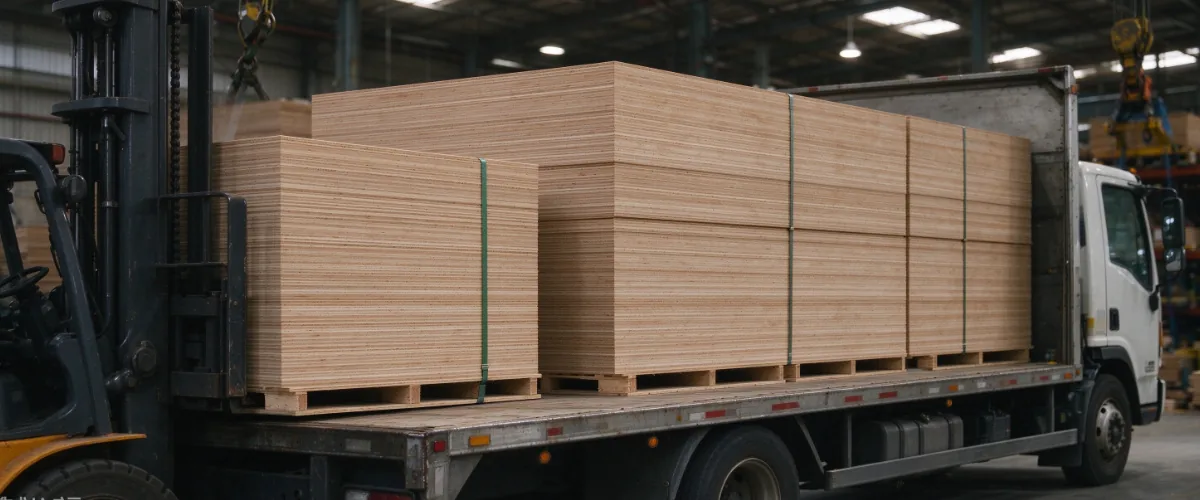
In the United States, Canada, and other North American markets, the number of 4×8-foot plywood sheets a truck can carry depends on the vehicle type, sheet thickness, individual sheet weight, cargo space, and available payload capacity. Axle weight limits, packaging, load distribution, and securement requirements also affect the actual quantity.
1. Flatbed Semi-Truck
Flatbed semi-trucks are commonly used to transport building materials over long distances. For illustration, assume a truck has an available payload capacity of 40,000–48,000 pounds. Actual payload capacity depends on the vehicle configuration, tractor and trailer weights, axle limits, and applicable transportation regulations.
- 1/2-inch plywood: At an estimated 35–50 pounds per sheet, the theoretical payload-based capacity is approximately 800–1,370 sheets.
- 3/4-inch plywood: At an estimated 50–70 pounds per sheet, the theoretical payload-based capacity is approximately 570–960 sheets.
- 1/4-inch plywood: Lighter sheets may allow for a higher sheet count, but stacking height, cargo space, load stability, and securement requirements can limit the actual quantity.
2. Dry Van Semi-Trailer
Dry van trailers are a suitable option when plywood needs protection from rain, dust, and other weather conditions. The number of sheets they can carry depends on the trailer’s interior dimensions, available payload, stacking height, packaging, and load configuration.
Using the same illustrative payload range of 40,000–48,000 pounds, a load of 1/2-inch plywood weighing 35–50 pounds per sheet would have a theoretical payload-based capacity of approximately 800–1,370 sheets. However, this is a weight-based estimate, not a guaranteed loading quantity. Trailer space, pallets, packaging, and axle weight distribution may reduce the actual number of sheets that can be transported.
3. Straight Truck
Straight trucks are often used for local building material deliveries. Their available payload varies considerably by vehicle size, body configuration, and equipment. For illustration, assume a truck has an available payload capacity of 10,000–20,000 pounds.
- 1/2-inch plywood: At 35–50 pounds per sheet, the theoretical payload-based capacity is approximately 200–570 sheets.
- 3/4-inch plywood: At 50–70 pounds per sheet, the theoretical payload-based capacity is approximately 140–400 sheets.
Important: These figures are mathematical estimates based on assumed sheet weights and available payload, not guaranteed truck capacities. Actual loading quantities may be lower after accounting for pallets, packaging, trailer or truck dimensions, axle weight distribution, and load-securement requirements. Before loading, verify the manufacturer’s sheet-weight specifications, the vehicle’s available payload, applicable axle limits, and local transportation regulations. Always leave enough room and use appropriate equipment to secure the load safely.
Final Thoughts
A standard 4×8 plywood sheet can weigh approximately 20–90 pounds, depending on its thickness, wood species, core construction, and moisture content. For many common products, 1/2-inch plywood weighs around 35–50 pounds per sheet, while 3/4-inch plywood weighs approximately 50–70 pounds.
Before purchasing plywood, consider more than just weight. The right panel should also meet your project’s requirements for strength, durability, surface finish, and moisture resistance. Comparing product specifications can help you choose a suitable material for construction, furniture, cabinetry, and other woodworking applications. You can also browse Baitwood’s plywood and wood panel solutions to compare available product options.
Product Recommendations
Find the Right Products for Your Needs
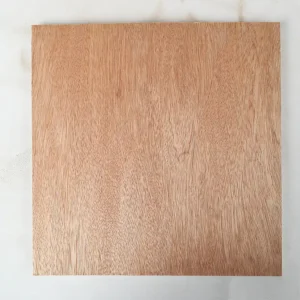 Baitwood ProductBintangor PlywoodBintangor Plywood is made from selected Bintangor veneers and bonded with high-quality adhesive to…View Product
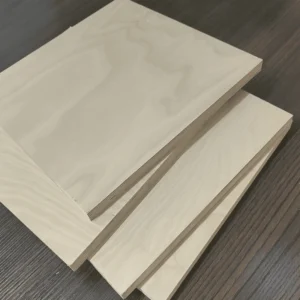 Baitwood ProductBirch PlywoodBirch Plywood is a premium-grade panel manufactured from high-quality birch veneers, known for its…View Product
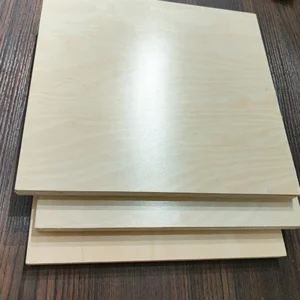 Baitwood ProductUV Birch PlywoodUV Birch Plywood is crafted from high-quality birch veneers and treated with a durable…View Product
Related Articles
Explore more helpful articles, product guides, and expert tips.
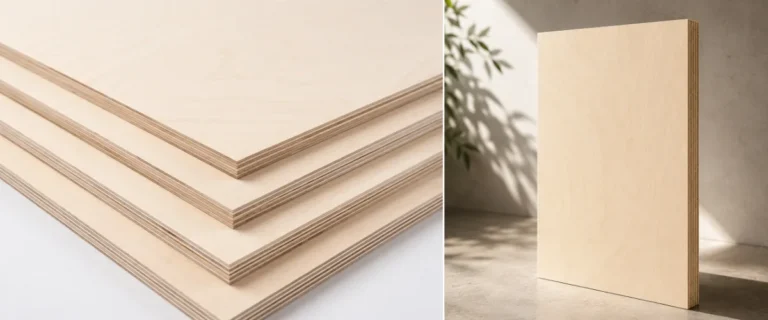 Blog ArticleBirch Plywood Core Types ComparedChoosing birch plywood is about much more than selecting an attractive face veneer. While the…Read Article
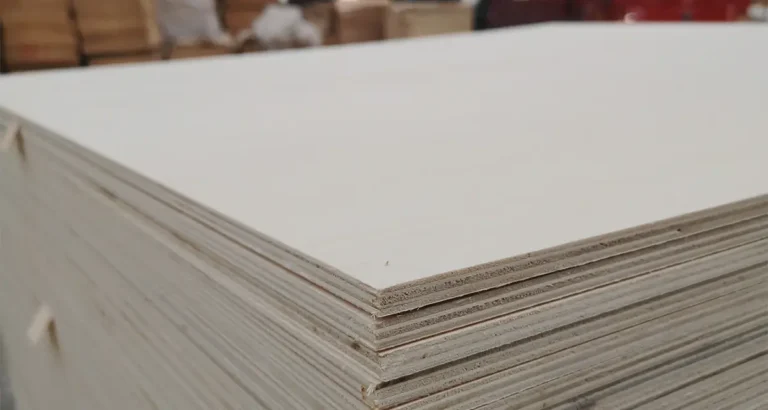 Blog ArticleCabinet Plywood Grades (A–D): Types & Uses GuideWhat Is Cabinet Plywood? Cabinet plywood is a high-quality engineered wood panel widely used in…Read Article
 Blog ArticleCan Plywood Be Stained? Everything You Need to KnowYes, plywood can be stained. In fact, staining plywood—especially common types such as marine plywood…Read Article