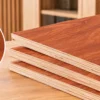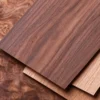

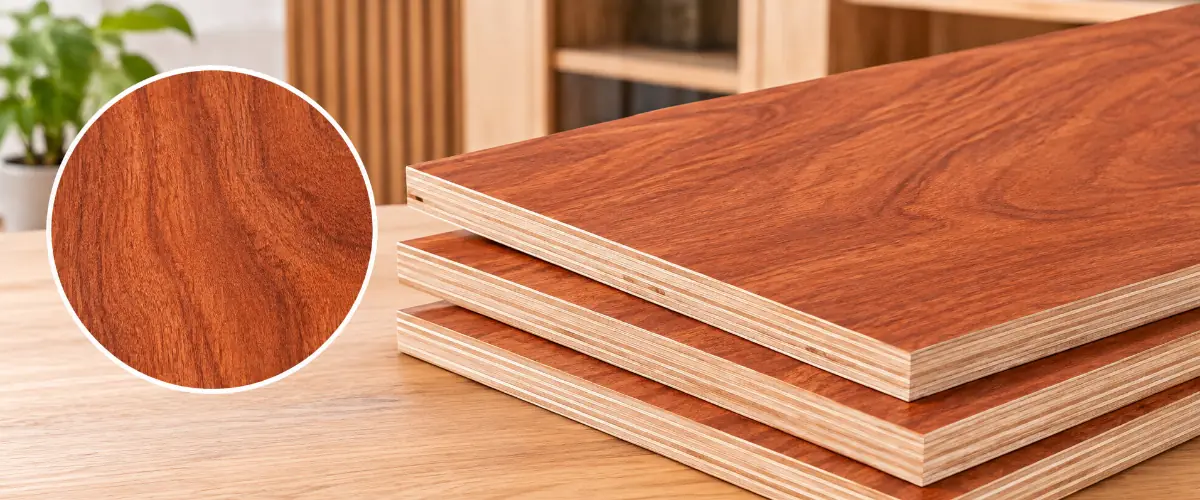
Sapele wood is known for its rich reddish-brown color, beautiful grain, and natural sheen. These features make sapele plywood a popular choice for decorative applications. It offers the look of premium hardwood without the cost and maintenance of solid wood.
If you are considering this material for your project, it helps to understand its properties, benefits, and common uses. This guide covers the basics and helps you decide whether it is the right option for your needs.
Getting to Know Sapele Wood
Sapele, scientifically known as Entandrophragma cylindricum, is a hardwood native to Africa. It is not a true mahogany, but many buyers choose it as a more affordable alternative to mahogany.
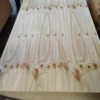
- Rich Appearance: Sapele has a warm reddish-brown color and an interlocked grain. Some boards feature distinctive dark, egg-shaped markings or broad stripes of contrasting shades. Its natural sheen gives the wood a rich, elegant look.
- A Unique Shimmer: Genuine sapele often displays a striking light-and-dark effect as you view it from different angles. This feature gives the wood a lively appearance and has earned it the nickname “African mahogany” in some markets.
- Distinctive Scent: Freshly cut sapele wood often has a mild scent similar to cedar or resin.
What Is Sapele Plywood?
This decorative panel combines a sapele wood veneer with a plywood core. Manufacturers peel or slice sapele logs into thin veneers, then bond them to a plywood core under heat and pressure.
The finished panel retains the wood’s reddish-brown color, natural sheen, and interlocked grain. It offers an attractive hardwood surface without using solid sapele throughout the panel.
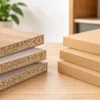
Depending on the manufacturer’s specifications, the core may use poplar, eucalyptus, birch, or mixed hardwood.
This construction gives the product a balance of decorative appeal, structural performance, and material efficiency.
Sapele Plywood Properties
This material offers several useful properties for furniture manufacturers, interior designers, and woodworking businesses.
1. Attractive Reddish-Brown Appearance
One of its most noticeable features is its warm, reddish-brown color.
Freshly processed sapele wood may appear pinkish or light reddish-brown. Over time, exposure to light can deepen its color and create a richer appearance.
The natural grain often includes interlocked patterns, which can produce attractive ribbon-like figures on the veneer surface.
This appearance makes the panels suitable for projects that require a natural hardwood finish.
2. Distinctive Wood Grain
Sapele wood has a distinctive grain pattern that can vary depending on how manufacturers cut the veneer.
Common grain appearances include:
- Straight grain
- Interlocked grain
- Ribbon grain
- Figured grain
Quarter-cut sapele veneer often displays a striking ribbon pattern. This makes it popular for decorative furniture, wall panels, and cabinet doors.
3. Good Strength and Stability
The layered construction helps distribute loads across the panel.
The cross-laminated veneer structure reduces the movement commonly associated with solid wood. It also helps improve dimensional stability when the panel experiences normal changes in humidity.
However, the actual strength and stability depend on the core material, veneer thickness, adhesive quality, and manufacturing process.
For structural applications, buyers should check the panel’s grade and relevant test reports rather than relying only on the sapele face veneer.
4. Easy to Finish
The surface can be finished with clear coatings, stains, and other suitable wood finishes.
A transparent finish helps highlight the natural grain and reddish-brown color. Manufacturers can also use stains to adjust the color for different furniture or interior design styles.
Proper surface preparation is important before applying any coating.
5. Natural Hardwood Appearance
This product provides the appearance of sapele hardwood without requiring every layer of the panel to be made from sapele wood.
This construction can help reduce material costs while maintaining a decorative hardwood surface.
It is particularly useful for projects that need a consistent wood appearance across multiple panels.
What Is Sapele Plywood Used For?
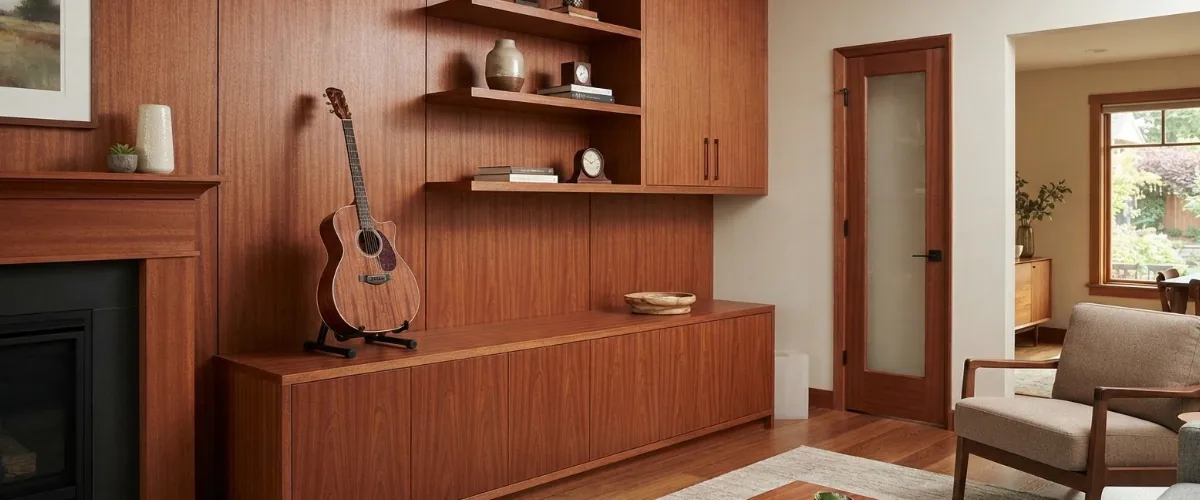
Combining attractive wood grain with practical performance, this material works well in a wide range of interior and furniture applications.
- Interior Decoration: Manufacturers use these panels for kitchen cabinets, wardrobes, wall panels, and interior doors. Their rich color and distinctive grain suit traditional, vintage, and modern interior styles.
- Furniture Making: This material is a popular choice for mid-range and high-end furniture. It gives furniture a premium hardwood look while keeping material costs more manageable.
- Musical Instruments: Some guitar makers use sapele for guitar backs and sides. Its attractive grain and warm appearance make it a good choice for instrument design.
- Decorative Woodworking: Sapele veneer panels also work well for display cabinets, shelving, furniture components, and other decorative projects. They add a refined wood finish to products that need an elegant appearance.
Benefits of Sapele Plywood
Better Dimensional Stability Than Solid Wood
Plywood uses cross-laminated veneers to reduce movement caused by changes in moisture.
This construction can help limit warping and dimensional changes compared with many solid wood components.
However, plywood can still expand, contract, or warp if it absorbs excessive moisture or has poor construction quality.
Suitable for Large Panel Applications
These panels are available in large sizes, making them useful for furniture and interior projects that require broad decorative surfaces.
Large panels can also reduce the number of joints in certain applications.
Versatile Decorative Finish
The natural wood finish works with different interior design styles.
Its reddish-brown color and distinctive grain can complement wood furniture, modern cabinetry, and decorative wall systems.
Sapele Plywood vs. Solid Sapele Wood
| Feature | Sapele Plywood | Solid Sapele Wood |
|---|---|---|
| Construction | Veneer layers bonded together | Natural solid wood |
| Appearance | Sapele face veneer | Sapele throughout |
| Dimensional stability | Generally more stable due to cross-lamination | More sensitive to moisture changes |
| Large panel production | Suitable for wide panels | May require joining boards |
| Material efficiency | Uses a decorative face over a core | Requires solid sapele lumber |
| Common applications | Cabinets, furniture panels, wall panels | Furniture frames, solid doors, trim |
This engineered panel is often a practical choice for large flat surfaces. Solid sapele wood is more suitable when the project requires solid timber components, deep machining, or exposed solid-wood edges.
Sapele Plywood vs. Sapele Veneer
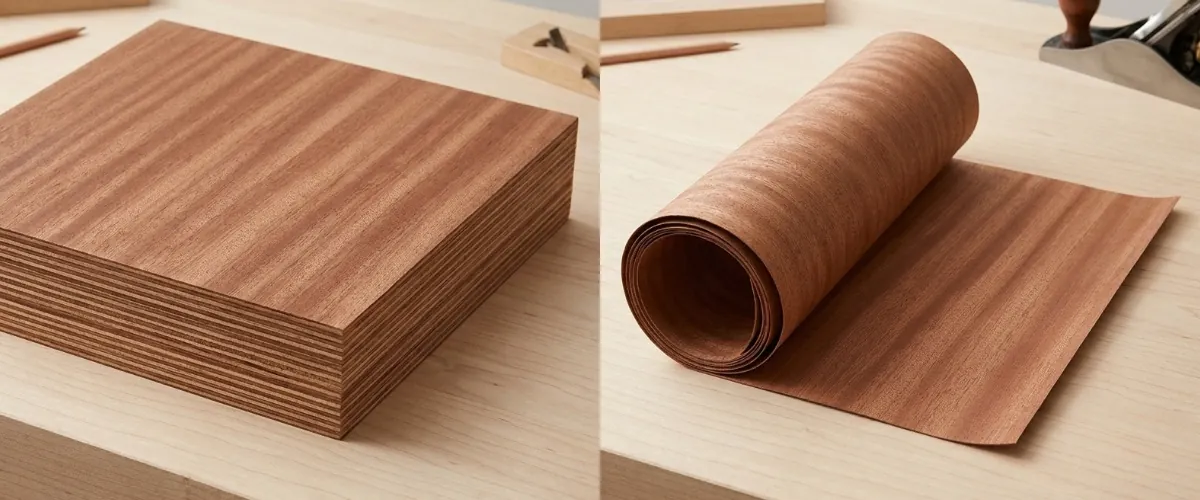
These two products are related, but they are not the same.
Simply put, sapele veneer is a thin sheet of sapele wood. Manufacturers use it as a decorative surface on plywood, MDF, and other suitable core materials.
Sapele plywood is a finished panel made with a sapele face veneer bonded to a plywood core.
The main difference is simple: sapele veneer is a surface material, while the finished panel is a complete product.
Sapele wood can be made into both veneer and plywood. However, these two products differ in their structure, applications, and price.
Sapele Plywood and Veneer from Baitwood
Baitwood supplies both sapele plywood and sapele veneer for furniture and interior applications. We support customized thicknesses, sizes, core materials, and veneer specifications to meet your project needs. Contact us for more details and a quotation.
Is Sapele Plywood a Good Choice?
This material is a good choice for buyers who need a decorative hardwood panel with an attractive grain pattern and versatile applications.
It works particularly well for furniture, cabinetry, interior wall panels, and decorative woodworking.
However, the best choice depends on the project. Buyers should consider the core material, veneer grade, adhesive performance, and intended environment before making a decision.
For furniture manufacturers and wholesale plywood buyers, this product offers a practical balance of natural wood appearance, panel stability, and material efficiency.
Conclusion
Combining the natural beauty of sapele wood with the practical advantages of plywood construction, this material offers an attractive and efficient panel solution.
Its reddish-brown color, distinctive grain, and versatile applications make it a popular option for furniture manufacturers, cabinet makers, and interior designers.
Whether you need decorative panels for furniture, cabinetry, or wall applications, this product can provide an attractive hardwood surface with efficient panel construction.
When choosing this material, always check the veneer grade, core material, thickness, and bonding quality to ensure the product meets your project requirements.
Product Recommendations
Find the Right Products for Your Needs
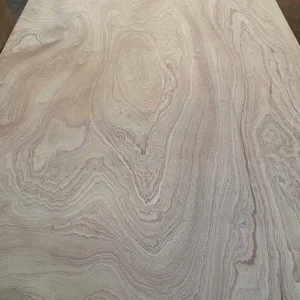 Baitwood Productsapele plywoodsapele plywood is a premium-quality plywood made from carefully selected Sapeli wood veneers, known…View Product
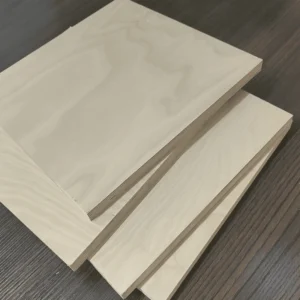 Baitwood ProductBirch PlywoodBirch Plywood is a premium-grade panel manufactured from high-quality birch veneers, known for its…View Product
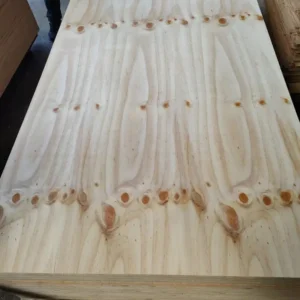 Baitwood ProductCDX PlywoodCDX Plywood is a high-strength structural softwood plywood widely used in residential, commercial, and…View Product
Related Articles
Explore more helpful articles, product guides, and expert tips.
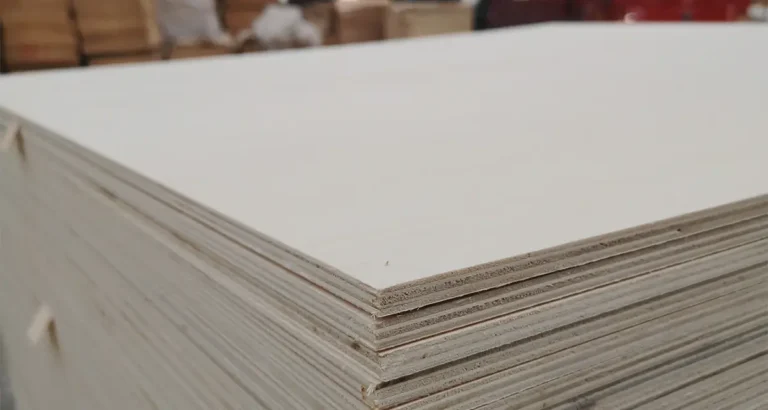 Blog ArticleCabinet Plywood Grades (A–D): Types & Uses GuideWhat Is Cabinet Plywood? Cabinet plywood is a high-quality engineered wood panel widely used in…Read Article
 Blog ArticleCan Plywood Be Stained? Everything You Need to KnowYes, plywood can be stained. In fact, staining plywood—especially common types such as marine plywood…Read Article
 Blog ArticleCan You Line Your Garage in Plywood? A Complete GuideIf you want to make your garage more practical, durable, and easier to organize, upgrading…Read Article