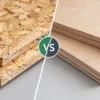

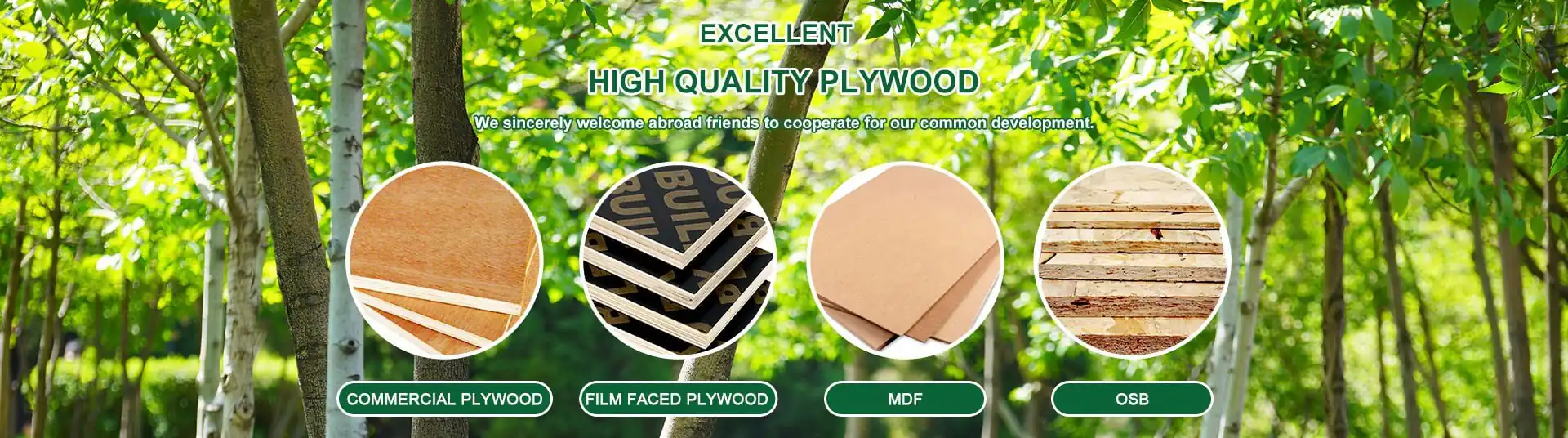
When choosing the right engineered wood material, many people struggle with the question: OSB vs chipboard— which is better for your project?
Both materials are widely used in construction, furniture, and DIY applications, but they differ significantly in strength, cost, and performance.
In this guide, we’ll compare OSB vs chipboard in terms of strength, durability, cost, and applications, helping you make the right decision.
What Are OSB and Chipboard?
Before diving into the comparison, let’s clarify what each material is, as this foundational knowledge will help you understand their strengths and weaknesses.
OSB (Oriented Strand Board)
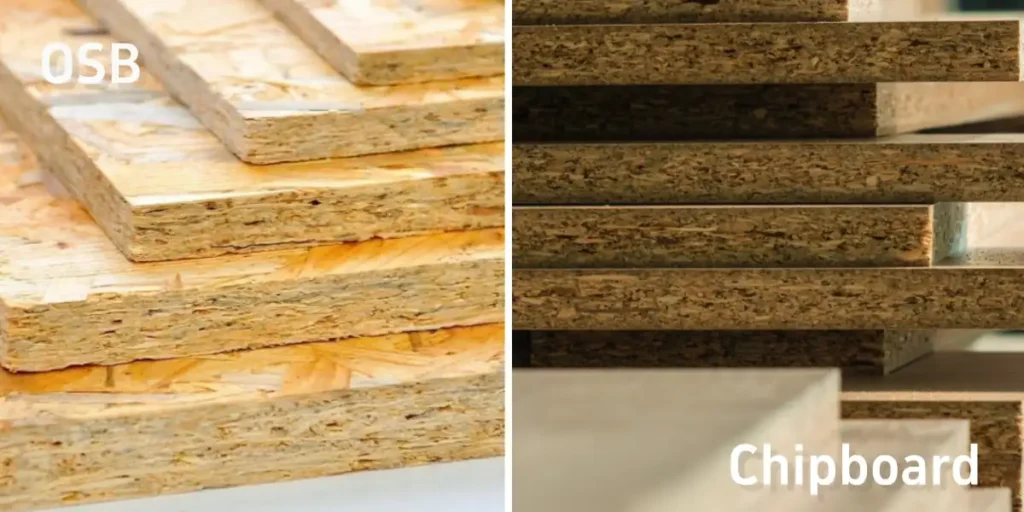
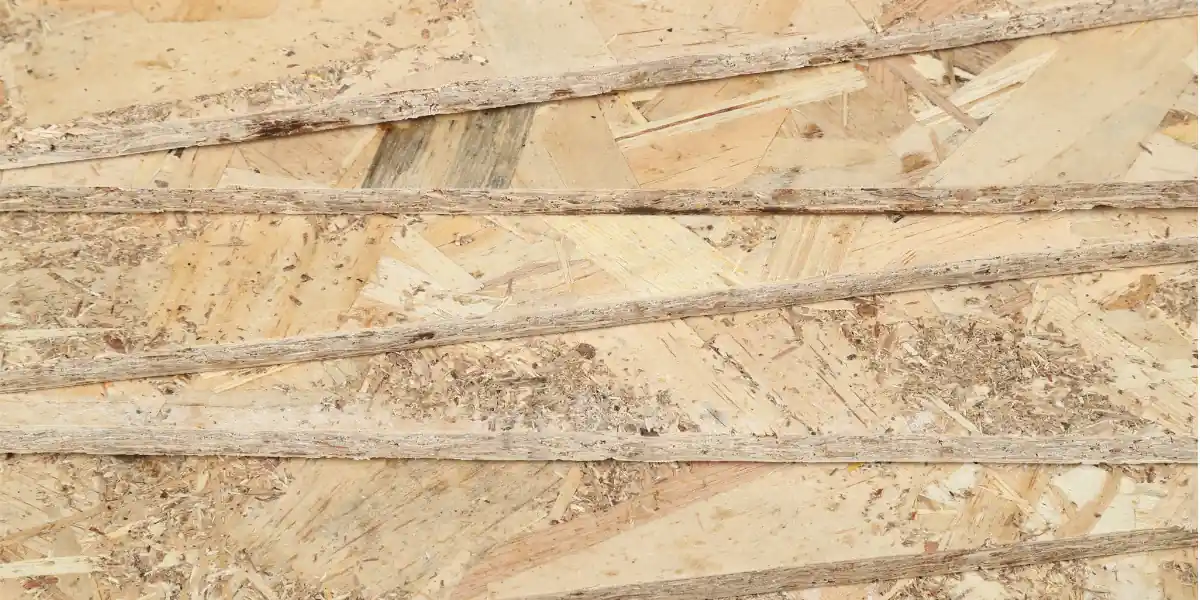
OSB is an engineered wood panel made by compressing and gluing together thin wood strands, typically from softwoods like pine or spruce, in specific orientations. The strands are layered to enhance strength and structural stability, making OSB ideal for load-bearing applications.
Learn more about OSB in our complete guide.
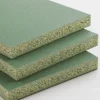
Chipboard (Particleboard)
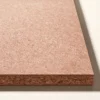
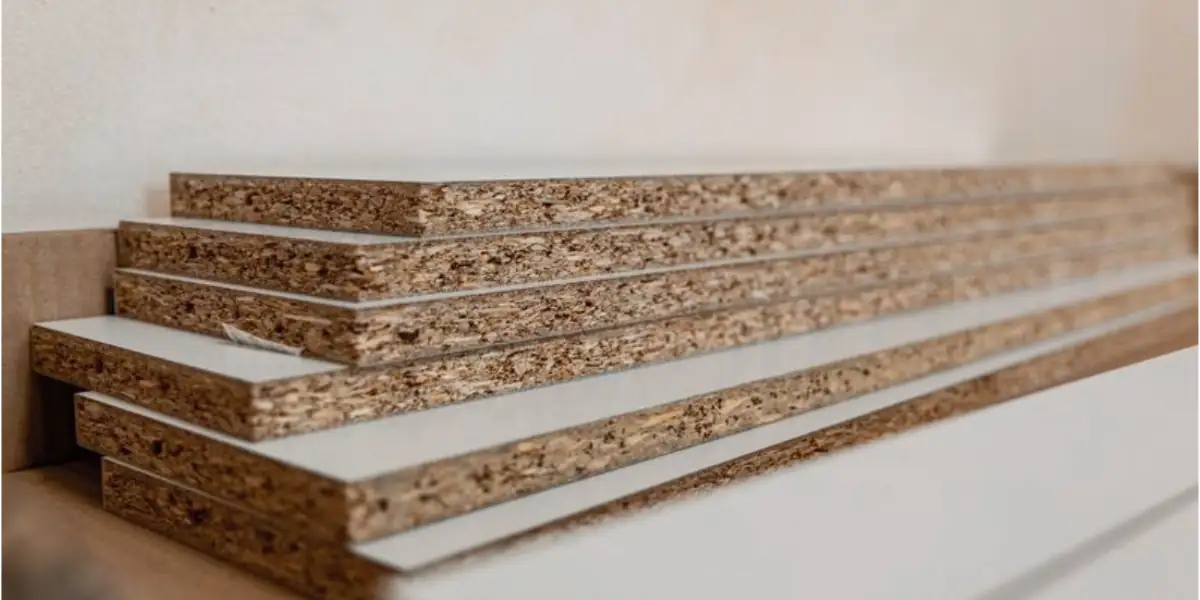
Chipboard is made by mixing wood chips, sawdust, or wood waste with resin and pressing the mixture into panels. Since the particles are randomly arranged, chipboard has lower strength but offers a smooth surface and cost advantages, making it suitable for non-structural uses.
OSB vs Chipboard: Strength Comparison
Strength is one of the most important factors when choosing between OSB and chipboard.
- OSB has a layered structure, making it stronger and more resistant to bending
- Chipboard is less dense and may sag or break under heavy loads
Conclusion:
If strength is your priority, especially for construction or flooring, OSB is the better choice.
OSB vs Chipboard: Cost Comparison
Cost is another key factor when selecting materials.
- Chipboard is generally cheaper due to lower production costs
- OSB costs slightly more but delivers better performance
Conclusion:
If you are working with a tight budget and low-load applications, chipboard is a cost-effective option. However, OSB offers better value for structural use.
OSB vs Chipboard: Durability and Moisture Resistance
Durability and moisture resistance are essential for long-term performance.
- OSB provides better durability and moisture resistance
- Chipboard absorbs water easily and may swell or weaken
Conclusion:
For humid environments or areas exposed to moisture, OSB is the superior option.
OSB vs Chipboard: Applications
Construction
- OSB is widely used for roofing, wall sheathing, and subflooring
- Chipboard is rarely used in structural construction
Flooring
- OSB is ideal for subfloors due to its strength
- Chipboard is suitable for low-load flooring but less durable
Furniture
DIY Projects
- Chipboard is easy to cut and budget-friendly
- OSB is better for projects requiring strength
Pros and Cons of OSB vs Chipboard
OSB Advantages
- High strength and load-bearing capacity
- Better moisture resistance
- Suitable for structural applications
OSB Disadvantages
- Slightly higher cost
- Rough surface finish
Chipboard Advantages
- Low cost
- Smooth surface for laminates
- Ideal for furniture
Chipboard Disadvantages
- Lower structural strength
- Poor moisture resistance
- Shorter lifespan
Frequently Asked Questions
Can OSB replace chipboard?
Yes, OSB can replace chipboard in most cases, especially where higher strength is required.
Is chipboard strong enough for flooring?
Chipboard can be used for light flooring, but OSB is a more reliable option.
Is OSB good for furniture?
OSB can be used for furniture, though it is more common in structural or industrial designs.
OSB vs Chipboard: Final Decision Guide
There is no one-size-fits-all answer, but here’s a simple way to decide:
- Choose OSB for structural support, durability, moisture resistance, and heavy load-bearing applications
- Choose chipboard for non-structural, dry, and budget-friendly uses with a smooth finish
In summary, OSB excels in strength and durability, while chipboard stands out for affordability and ease of use. Selecting the right material ensures a long-lasting and efficient result for your project.
Call to Action
Looking for high-quality OSB boards for your next project?
Contact us today to get reliable products, competitive pricing, and professional support tailored to your needs.