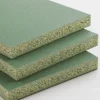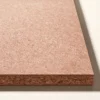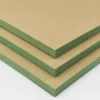

Oriented Strand Board Oriented Strand Board(OSB) is one of the most widely used engineered wood panels in today’s construction and furniture industries. As a cost-effective and durable material, OSB board is often chosen as an alternative to plywood for structural and non-structural applications.
But what exactly is OSB? How is Oriented Strand Board made, and what are the most common OSB uses? In this guide, we’ll explore the structure, performance, and applications of OSB panels, helping you understand why OSB is such a popular choice worldwide.
What Is OSB (Oriented Strand Board)?
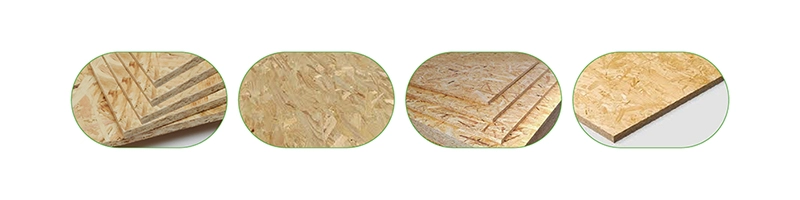
OSB (Oriented Strand Board) is an engineered wood panel made from compressed layers of wood strands bonded together with adhesives under heat and pressure.
Unlike traditional plywood, OSB board is manufactured using large wood strands arranged in specific orientations. This structure gives OSB panels their strength, consistency, and load-bearing performance.
Key Features of OSB Panels
- High structural strength and durability
- Consistent density with no internal gaps
- Cost-effective compared to plywood
- Large-format OSB panels for construction efficiency
- Sustainable production using fast-growing wood
Understanding the Structure of OSB
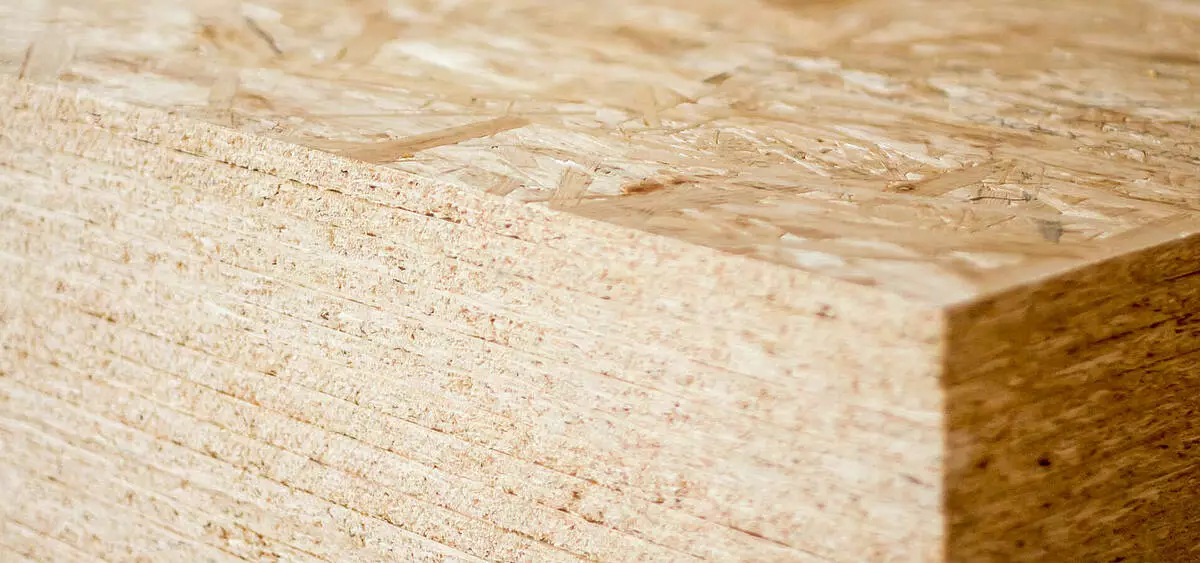
The strength of Oriented Strand Board comes from its engineered layered design.
Cross-Oriented Layers
A typical OSB board consists of 3–4 layers of wood strands:
- Outer layers: aligned lengthwise
- Inner layers: oriented perpendicular
This cross-layered structure improves:
- Bending strength
- Load distribution
- Dimensional stability
Because of this design, OSB panels are widely used in structural applications.
Adhesive Bonding Process
During production, wood strands are coated with resin and pressed at high temperatures. This ensures that each OSB board is dense, rigid, and resistant to deformation.
Types of OSB Panels
Different types of OSB panels are designed for specific environments:
- OSB/1 – General-purpose boards (non-structural)
- OSB/2 – Load-bearing OSB board for dry conditions
- OSB/3 – Moisture-resistant OSB panels (most popular)
- OSB/4 – Heavy-duty structural OSB
Among these, OSB/3 panels are the most commonly used in construction due to their strength and moisture resistance.
What Is OSB Used For? (Main OSB Uses)
There are many practical OSB uses across industries due to its versatility and strength.
1. Construction and Building
The most common OSB uses include:
- Wall sheathing
- Roof decking
- Subflooring
In construction, OSB panels are valued for their structural performance and cost efficiency.
2. Furniture and Interior Design
OSB board is increasingly used in:
- Cabinets and wardrobes
- Shelving systems
- Modern decorative furniture
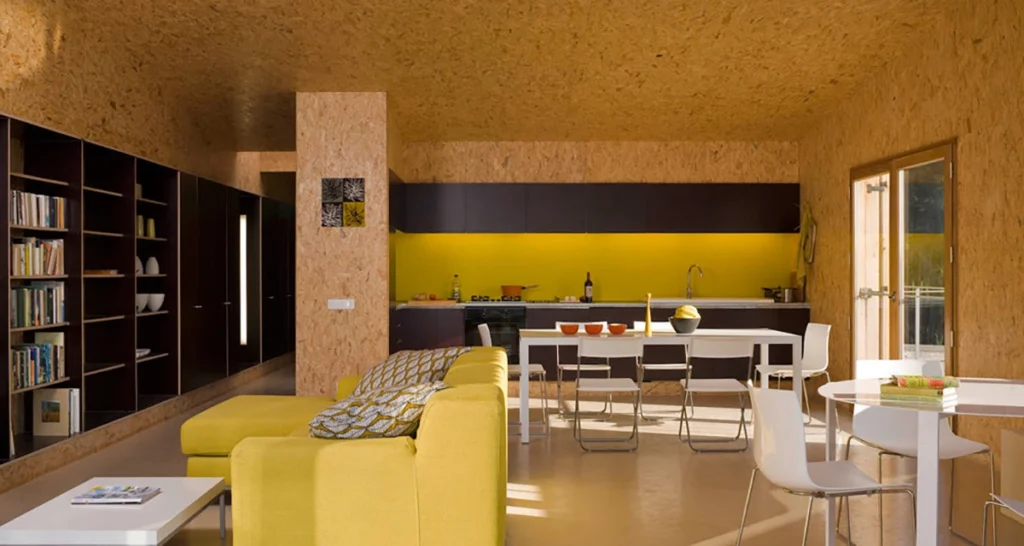
Its textured surface gives OSB panels a unique industrial-style appearance.
3. Packaging and Logistics
Thanks to its durability, OSB board is widely used for:
- Packing crates
- Shipping pallets
These OSB uses are ideal for export and heavy-duty transport.
4. DIY and Decorative Applications
Many designers and builders choose OSB panelsOSB for:
- Wall cladding
- Ceilings
- DIY furniture
Advantages of OSB Panels
- ✔ Affordable compared to plywood
- Strong and load-bearing
- Uniform structure with no voids
- Efficient use of wood resources
- Widely available in large OSB board sizes
These advantages make Oriented Strand Board a practical choice for builders and manufacturers.
OSB vs Plywood: Which One to Choose?
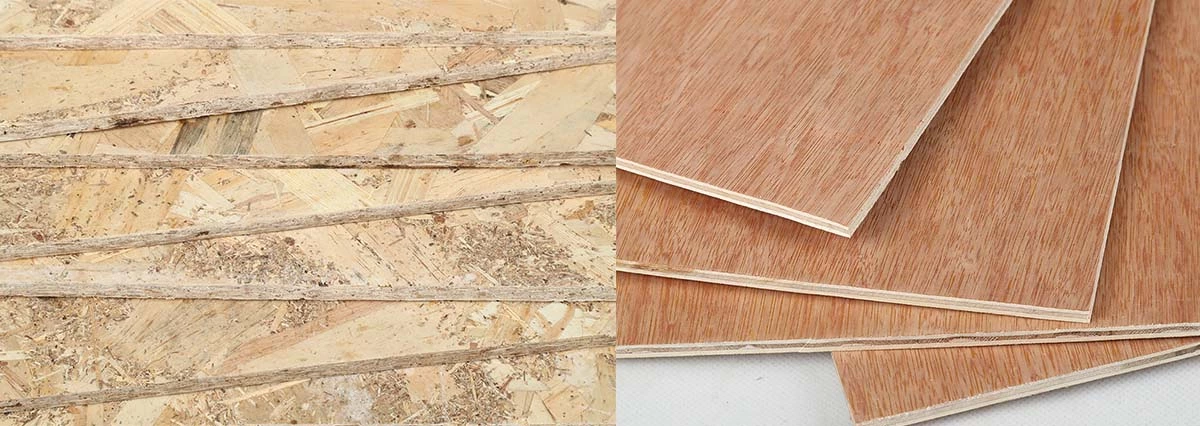
When comparing OSB vs plywood, both materials offer strong performance. However:
- OSB panels are more cost-effective
- Plywood offers a smoother surface finish
- OSB board is ideal for structural applications
- Plywood is preferred for decorative surfaces
For most construction needs, OSB remains a highly competitive option.
Is OSB Eco-Friendly?
Yes, Oriented Strand Board is considered environmentally friendly because:
- It uses fast-growing wood species
- Maximizes raw material usage
- Produces less waste
Conclusion
OSB (Oriented Strand Board) is a strong, versatile, and cost-effective engineered wood product. With its unique layered structure and wide range of OSB uses, it has become a preferred material in construction, furniture, and packaging industries.
Whether you need structural panels or affordable building materials, OSB board offers reliable performance and excellent value.
Call to Action (CTA)
Looking for high-quality OSB panels for your business or construction project?
At baitwood, we provide premium-grade OSB board, plywood, and engineered wood solutions tailored for global markets. With advanced manufacturing and strict quality control, our OSB products meet international standards and deliver consistent performance.
Contact baitwood today to get competitive pricing and expert support for your next project.