
What Is BCX Plywood?
BCX plywood is a common type of structural plywood used in construction, renovation, and woodworking applications in many international markets. The term “BCX” consists of three letters, which indicate the face grade, back grade, and adhesive type of the plywood.
What Do the Letters in BCX Mean?
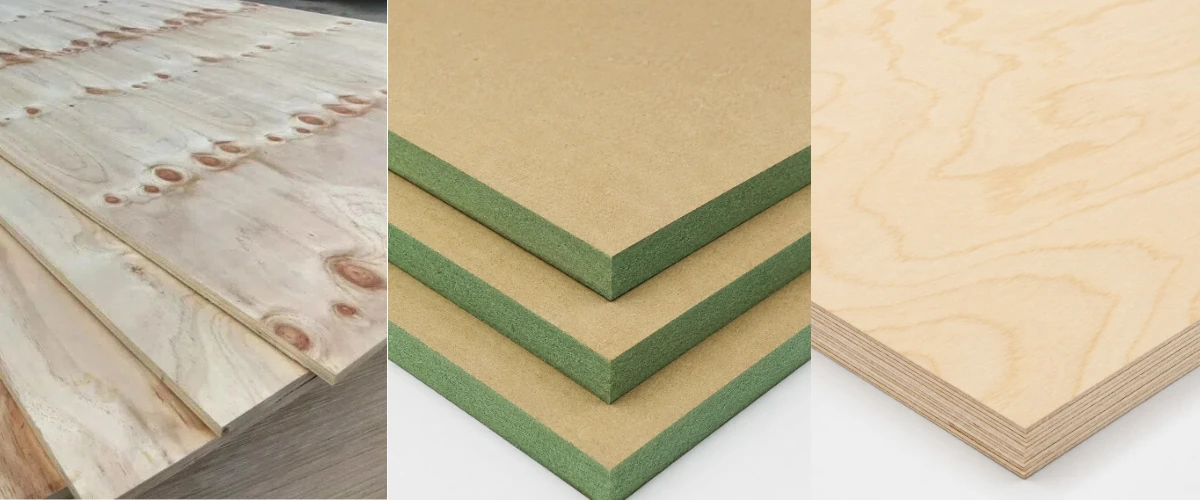
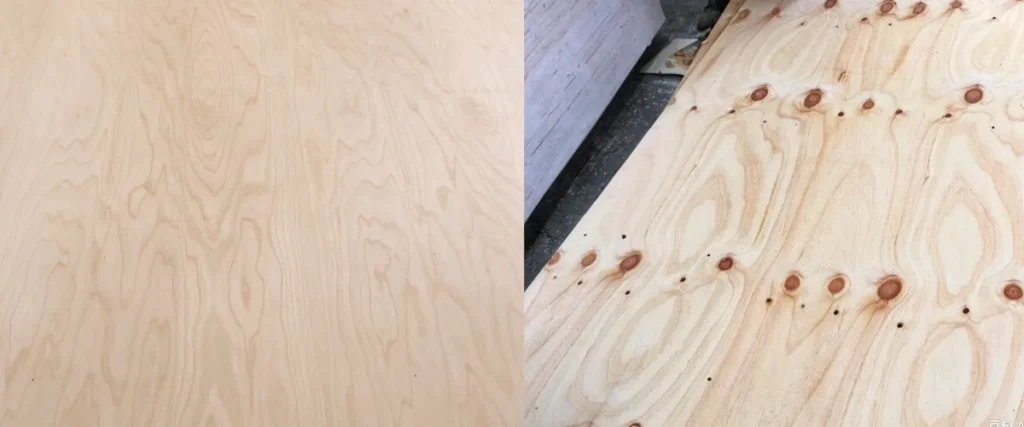
B Face: The B grade refers to a relatively good‑quality face. It has a smoother and more uniform surface, with limited repairs and small knots permitted. It is suitable for applications where a reasonably clean appearance is required, but a premium decorative finish is not necessary.
C Back: The C grade indicates a lower‑quality back face. It may contain larger knots, cracks, patches, and other natural or repaired defects, giving it a rougher appearance. This side is typically used as the non‑facing surface.
X – Exterior Adhesive: The “X” indicates the use of an exterior‑grade adhesive. This is one of the key characteristics of BCX plywood. Exterior‑grade plywood generally uses water‑resistant adhesive systems, such as phenolic resin adhesives, to provide better resistance to moisture, rain, and changes in temperature. This makes it suitable for outdoor and high‑humidity applications.
In industry terminology, BCX plywood generally refers to plywood with a BC face/back combination and an exterior‑grade adhesive. However, buyers should always check the product label, technical specifications, and applicable standards before purchasing rather than assuming that every product labeled “BCX” has exactly the same level of weather or moisture resistance.
Common Uses of BCX Plywood
In North America, Europe, Australia, and other markets, BCX plywood is widely used as a structural sheathing and building panel in construction and residential renovation. Common applications include:
- Exterior Wall and Roof Sheathing: BCX plywood can be used as wall sheathing or roof decking, typically installed beneath waterproof membranes, siding, roofing materials, or other exterior finishes.
- Garages and Sheds: It is commonly used for garage partitions, shed walls, and floors because of its structural strength and resistance to moisture.
- Concrete Formwork: BCX plywood can be used for temporary concrete formwork. Its moisture‑resistant adhesive and relatively smooth surface make it suitable for molding concrete and can help achieve a reasonably smooth concrete finish after removal.
- Basements and Attics: It can be used for reinforcing partition walls, subflooring or leveling applications, and cabinet backs where structural performance is more important than a premium surface appearance.
What Is CDX Plywood?
CDX plywood is a widely used engineered wood panel in the North American construction and renovation industry. The term “CDX” does not refer to a specific type of wood. Instead, it describes the face and back grades of the plywood and the type of adhesive used.
CDX plywood has a C‑grade face and a D‑grade back. Compared with BCX plywood, it generally has a lower surface appearance, particularly on the D‑grade back. As a result, CDX plywood is mainly used for structural and building applications where appearance is not a major concern.
Common Uses of CDX Plywood
In construction systems in the United States, Canada, Australia, and other markets, CDX plywood is commonly used for structural and concealed applications, including:
- Roof and Wall Sheathing: CDX plywood can be installed as a structural base layer beneath asphalt shingles, siding, or other exterior finishing materials. It provides support and helps strengthen the building envelope.
- Concrete Formwork: CDX plywood is often used to make temporary concrete forms. Its moisture‑resistant adhesive can withstand contact with wet concrete, while its relatively rough surface is acceptable for applications where the concrete finish is not the primary concern.
- Subflooring: CDX plywood may be used as a structural base beneath flooring materials such as hardwood, tile, or carpet, depending on the specific floor system and local building requirements.
- Temporary Fencing and Construction Protection: Because it is economical and durable, CDX plywood can be used for temporary construction barriers, protective panels, and other jobsite applications.
- Garage and Basement Applications: It can be used for partition walls, bracing, and temporary structural support in garages, unfinished basements, and other utility areas where appearance is less important.
Is CDX Plywood Suitable for Outdoor Use?
It is important to note that CDX plywood should not automatically be considered exterior plywood. According to APA classifications, plywood commonly referred to as CDX is generally associated with Exposure 1 panels. These panels are designed to withstand temporary exposure to moisture during construction or under other limited exposure conditions, rather than prolonged exposure to severe outdoor weather.
For applications involving long‑term outdoor exposure, buyers should check the panel’s APA grade stamp, exposure classification, applicable standards, and manufacturer’s technical specifications rather than relying on the “CDX” designation alone.
For a more detailed explanation, see our guide to What Is CDX Plywood?.
BCX vs CDX Plywood: Key Differences
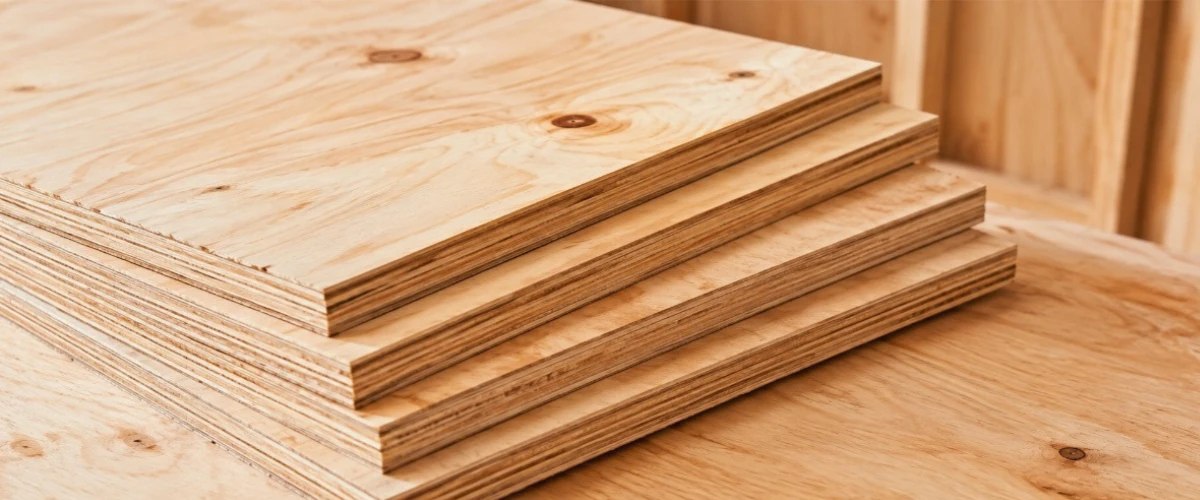
The biggest difference between BCX and CDX is the veneer grade.
| Feature | BCX Plywood | CDX Plywood |
|---|---|---|
| Face grade | B | C |
| Back grade | C | D |
| Surface quality | Smoother and cleaner | Rougher with more visible defects |
| Appearance | Better for visible surfaces | Mainly for concealed construction |
| Typical applications | Painted panels, soffits, siding, shelving | Wall sheathing, roof sheathing, subflooring |
| Cost | Generally higher | Generally more economical |
| Exposure | Check actual product classification | Commonly Exposure 1 |
Because BCX has a B‑grade face, it provides a cleaner surface than CDX. This makes a noticeable difference when the plywood will be painted or used where the surface can be seen.
CDX, on the other hand, focuses more on practical structural use and cost efficiency.
Surface Quality: BCX Has the Advantage
If appearance is an important consideration, BCX is usually the better choice.
The B‑grade face is sanded and has fewer defects than a C‑grade face. It can provide a more uniform surface for painting, coating, or other finishing work. The C‑grade back is less refined but is suitable when the back side will not be visible.
CDX has a C‑grade face and D‑grade back. The D‑grade back allows more visible defects, making it less suitable for applications where appearance matters.
For this reason, BCX is often selected when one finished face is required, while CDX is more appropriate when the plywood will be hidden behind siding, roofing materials, flooring, or other construction components.
Pay Attention to Edge Sealing: Whether you choose BCX or CDX plywood, the edges and cut surfaces should be properly sealed to prevent moisture from penetrating the panel and causing swelling or delamination.
Which Is Stronger: BCX or CDX?
It is not correct to say that BCX is always stronger than CDX simply because it has a higher surface grade.
The letters B, C, and D primarily describe veneer quality and appearance, while structural performance depends on factors such as plywood construction, wood species, thickness, span rating, panel grade, and applicable standards.
In other words, BCX is generally better looking, but that does not automatically mean it has a higher structural capacity than CDX.
BCX vs CDX: Which One Should You Choose?
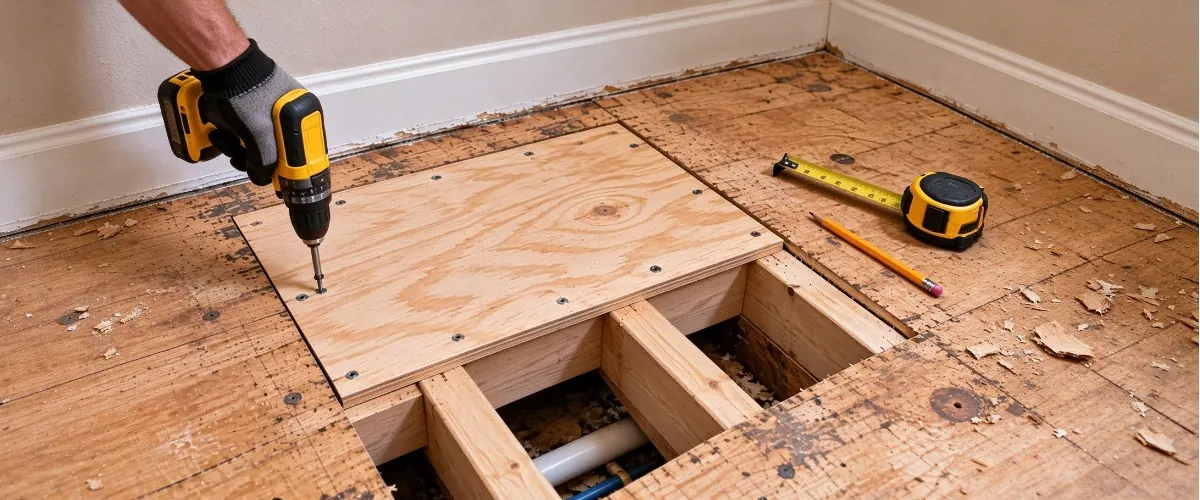
BCX Plywood
- Suitable Applications: Ideal for projects where the plywood remains visible and a better surface appearance is desired, such as outdoor furniture, shed interiors, garage walls, DIY projects that will be painted, and visible surfaces of pallets or packaging boxes.
- Key Features: BCX plywood has fewer surface imperfections and provides a smoother, more attractive finish after sanding and painting.
CDX Plywood
- Suitable Applications: Mainly used for structural applications where surface appearance is less important, such as roof and wall sheathing, subflooring, concrete formwork, temporary construction supports, and wall bracing.
- Key Features: CDX plywood offers excellent cost‑effectiveness because its lower surface grade is suitable for applications where the plywood will be covered by materials such as drywall, tile, or flooring, eliminating the need to pay extra for a higher‑quality visible surface.
Frequently Asked Questions (FAQ)
1. What does BCX plywood mean?
BCX plywood typically has a B‑grade face veneer and C‑grade back veneer. Compared with CDX plywood, it has a smoother and cleaner face, making it suitable for applications where surface appearance and finishing are important.
2. What is CDX plywood used for?
CDX plywood is commonly used for structural applications where appearance is not a major concern, such as roof sheathing, wall sheathing, subflooring, and other construction projects.
3. Which is better, BCX or CDX plywood?
It depends on the application. BCX plywood is generally a better choice when you need a cleaner surface, while CDX plywood is often preferred for economical structural applications where the surface will be covered.
4. Where can I buy high‑quality BCX or CDX plywood?
Baitwood supplies BCX, CDX, and other plywood grades for construction and industrial applications. Contact us for product specifications, pricing, and customized plywood solutions.
Final Thoughts
The choice between BCX and CDX plywood mainly comes down to surface quality, intended application, and exposure requirements.
BCX offers a better‑quality B‑grade face and is a practical choice when one side needs to look cleaner or receive a finish. CDX provides a more economical solution for structural applications where the plywood will normally be covered.
Before placing a plywood order, always confirm the face and back grades, thickness, core material, adhesive type, exposure classification, applicable standards, and intended application. These specifications are especially important for international buyers because trade names can vary between suppliers and markets.
If you are looking for plywood for construction, furniture, packaging, or other applications, Baitwood can provide different plywood grades and customized specifications to meet your project requirements.
Need the Right Plywood for Your Project?
Baitwood supplies BCX, CDX, and other plywood grades with flexible specifications for different construction and industrial applications. Contact us for product details, pricing, and customized plywood solutions.