
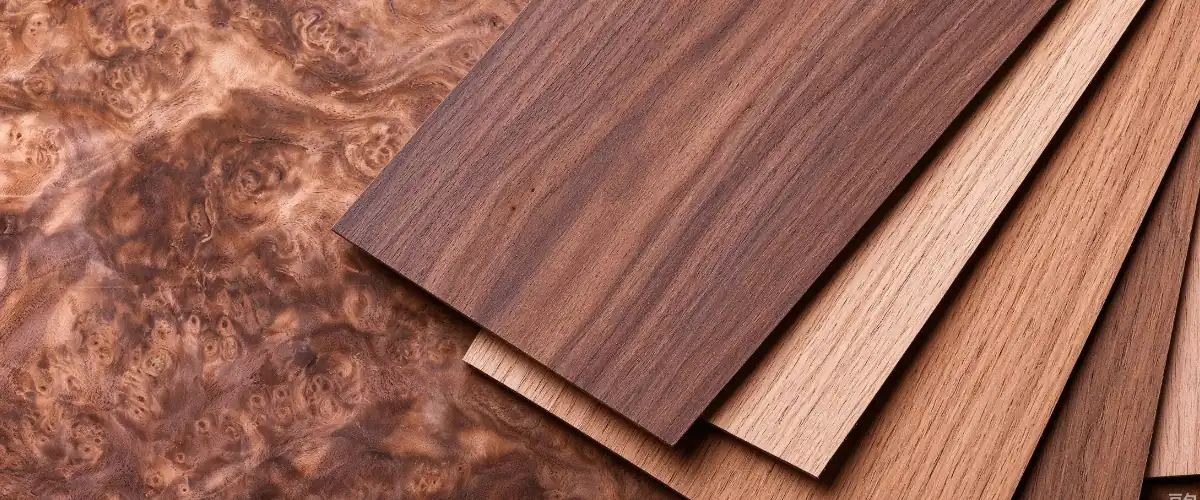
If you’re sourcing wood veneer for furniture, cabinets, or interior projects, you may be deciding between natural veneer and engineered veneer. Natural veneer has unique grain patterns and color variations, while engineered veneer offers a more consistent look and pattern. Without understanding the differences, you may end up with a veneer that doesn’t match your design expectations or causes problems during production.
For wood veneer buyers, the choice goes beyond appearance. You also need to consider the raw materials, grain consistency, workability, supply stability, and purchasing costs. Each option can affect the final product quality and production efficiency.
In this guide, we’ll compare natural veneer and engineered veneer from a buyer’s perspective. We’ll look at their key differences and help you choose the right option for bulk orders and specific projects.
What Is Natural Veneer?
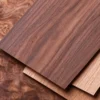
Natural veneer is made by peeling or slicing thin sheets of wood directly from natural logs. Manufacturers use different cutting methods to create veneers with a range of grain patterns and appearances.
Since natural veneer comes from real wood, every sheet has its own grain, color, and texture. Even veneers cut from the same log can show slight differences in appearance.
Common natural wood veneer species include:
- Okoume Veneer: Known for its lightweight structure, smooth surface, and pinkish to reddish-brown color.
- Oak Veneer: Features prominent grain patterns and is widely used in furniture and interior decoration.
- Walnut Veneer: Offers rich brown tones and attractive natural grain.
- Birch Veneer: Has a light color and relatively uniform texture.
- Teak Veneer: Known for its warm golden-brown color and distinctive grain.
- Bintangor Veneer: Commonly used in plywood production and furniture applications.
Natural veneer is popular among furniture manufacturers who want the authentic appearance of real wood.
How Is Natural Veneer Made?
The production of natural veneer usually involves several steps:
- Log Selection: Manufacturers select suitable timber based on wood species, diameter, and quality.
- Log Preparation: They remove the bark and prepare the logs for cutting. Some logs also undergo steaming or soaking to improve cutting quality.
- Veneer Cutting: Manufacturers use rotary peeling, slicing, or other cutting methods to produce thin wood sheets.
- Drying: They dry the veneer to reduce moisture content and improve dimensional stability.
- Grading: Workers sort the sheets according to color, grain pattern, surface quality, and defects.
- Packing: Manufacturers pack the finished veneer sheets for storage, transportation, or further processing.
Different cutting methods create different grain effects. For example, rotary-cut veneer often shows broad and varied grain patterns, while sliced veneer can produce more consistent and decorative patterns.
What Is Engineered Veneer?
Engineered veneer, also known as reconstituted veneer or recon veneer, is a man-made wood veneer designed to replicate the look of natural wood.
Unlike natural veneer, manufacturers don’t slice it directly from valuable timber logs. Instead, they use fast-growing wood species and process them through several steps, including grain design, dyeing, layering, and hot pressing. These processes create consistent wood grain patterns that can imitate premium wood species or produce decorative patterns rarely found in natural wood.
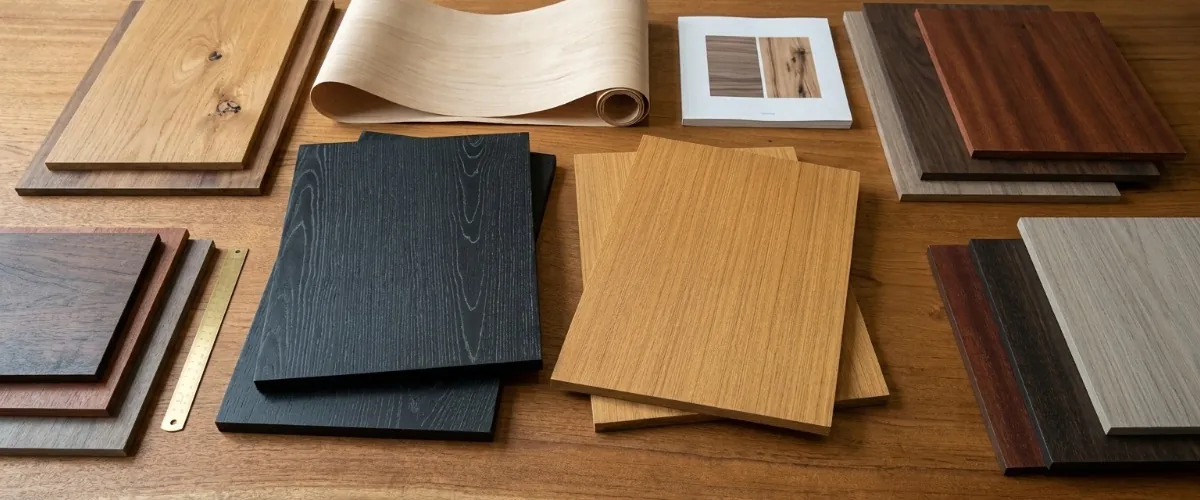
Engineered veneer comes in a wide range of colors and grain patterns. Popular options include oak, walnut, teak, and other decorative wood designs.
How Is Engineered Veneer Made?
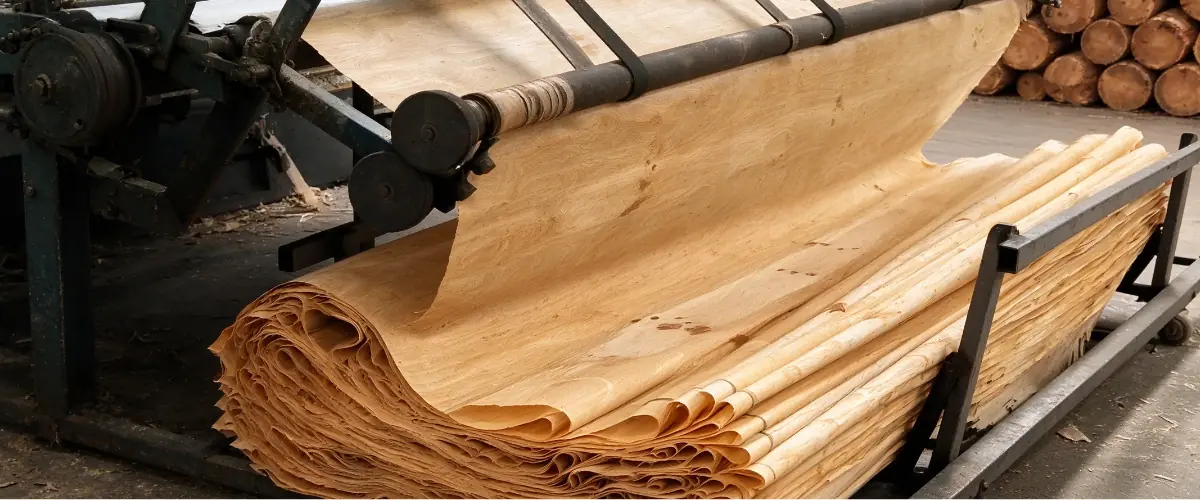
The manufacturing process generally includes the following steps:
- Raw Material Preparation: Manufacturers select suitable fast-growing wood species and process them into thin veneer sheets.
- Dyeing: They dye the sheets to achieve the desired color.
- Layer Arrangement: Workers arrange the dyed sheets in specific patterns to create the required grain effect.
- Gluing and Pressing: Manufacturers apply adhesive and press the layers together to form a solid block.
- Block Shaping: They shape the block to create the desired grain pattern and structure.
- Slicing: Manufacturers slice the finished block into thin engineered veneer sheets.
- Finishing and Grading: They inspect the sheets for color consistency, surface quality, and pattern uniformity.
The main advantage of this process is design flexibility. Manufacturers can produce veneer with repeatable patterns and consistent colors, which is difficult to achieve with natural wood.
Natural Veneer vs. Engineered Veneer: Key Differences
Although both materials provide a decorative wood surface, natural veneer and engineered veneer have several important differences.
| Comparison | Natural Veneer | Engineered Veneer |
|---|---|---|
| Raw Material | Natural hardwood logs | Reconstructed wood layers |
| Manufacturing | Directly sliced or peeled from logs | Dyed, arranged, bonded, and sliced |
| Grain Pattern | Natural and unique | Designed and more consistent |
| Color | Natural variations | More controlled and uniform |
| Appearance | Authentic natural wood character | Reproduces selected wood grain styles |
| Consistency | May vary between sheets | Usually more consistent |
| Design Options | Depends on available wood species | Offers a wide range of patterns and colors |
| Price | Depends on species, grade, and availability | Depends on design, production, and quality |
| Main Applications | Premium furniture, cabinets, doors, and plywood | Furniture, doors, cabinets, and interior decoration |
Let’s look at these differences in more detail.
Key Differences Between Natural Veneer and Engineered Veneer
a.Raw Materials
The biggest difference between natural veneer and engineered veneer lies in the materials used to make them.
Natural veneer comes directly from real wood logs. Its appearance and characteristics depend on the wood species, growing conditions, and cutting method.
Engineered veneer usually starts with fast-growing wood species. Manufacturers process, dye, and rearrange these wood layers to create new decorative surfaces. In other words, it is real wood that has been reconstituted to achieve a specific look.
b.Wood Grain and Appearance
Natural veneer has flowing, irregular grain patterns. No two sheets look exactly alike. You may also notice natural mineral streaks, knots, and color variations. These features give each sheet its own character.
Engineered veneer offers more control over the final appearance. Manufacturers can adjust the arrangement of wood layers to create specific grain patterns and colors.
This makes engineered veneer a practical choice for furniture manufacturers who need multiple panels with a similar appearance. It helps them maintain a consistent look across large production runs.
c.Texture and Surface Finish
Natural veneer retains the pores and natural texture of real wood. You can feel slight variations on the surface when you run your hand over it. Its grain also has more depth under different lighting conditions, giving the surface a warm and natural look.
Engineered veneer usually has a smoother and more uniform surface. Its texture may feel less natural than real wood, especially when you look closely or touch the surface. Some designs can also look flatter because their grain patterns lack the natural depth of solid wood.
d.Cost and Price
Natural veneer often costs more because it relies on selected wood species. Some trees, such as North American black walnut, take 70–100 years to mature. Manufacturers also get a relatively low yield from each log, with some estimates ranging from 30% to 50%. This leads to more material waste and higher production costs.
Engineered veneer uses fast-growing wood as its main raw material. Manufacturers can make better use of the available timber and produce veneer on a large industrial scale. Its overall material utilization rate can exceed 85%.
As a result, engineered veneer often costs 30%–50% less than natural veneer of a similar grade. This makes it an attractive option for buyers who want a consistent decorative finish at a lower cost.
Which One Should You Choose?
- Choose natural veneer: If you want a premium finish, natural grain patterns, and a unique look, natural veneer is a great choice. It works especially well for feature walls, TV background walls, entryways, and other decorative areas where appearance matters most. It is a better fit when your budget allows for it.
- Choose engineered veneer: If you need a cost-effective option with consistent colors, matching patterns, and a reliable supply, engineered veneer may be the better choice. It works well for large projects such as hotels, offices, and full-home cabinetry. Its consistent appearance also makes future replacements and additional orders easier to manage.
When requesting a quote from Baitwood, please share your application, surface requirements, and finishing preferences so we can recommend the right veneer.
Conclusion
Natural veneer and engineered veneer both offer practical solutions for furniture manufacturing, plywood production, and interior decoration.
Natural veneer stands out for its authentic wood grain, unique patterns, and natural appearance. Engineered veneer offers better control over color, grain consistency, and decorative design.
Before making a decision, consider your application, budget, material specifications, and production requirements.
Product Recommendations
Find the Right Products for Your Needs
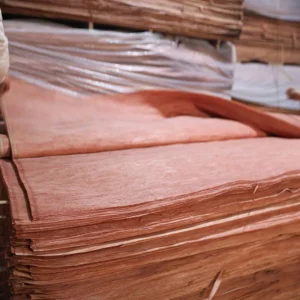 Baitwood ProductBintangor veneerBintangor Veneer is crafted from premium Bintangor wood, carefully sliced to ensure a smooth…View Product
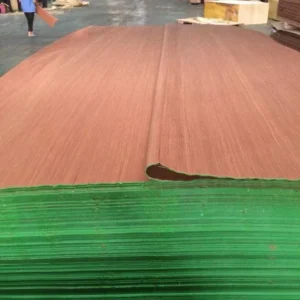 Baitwood ProductRecon VeneerRecon Veneer is made from high-quality wood that has been carefully reconstructed to ensure…View Product
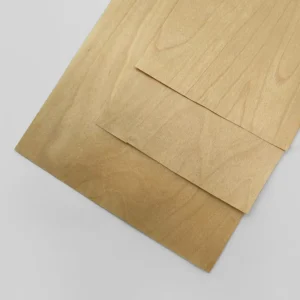 Baitwood ProductBirch VeneerBirch Veneer is crafted from premium birch wood, carefully sliced to ensure a smooth…View Product
Related Articles
Explore more helpful articles, product guides, and expert tips.
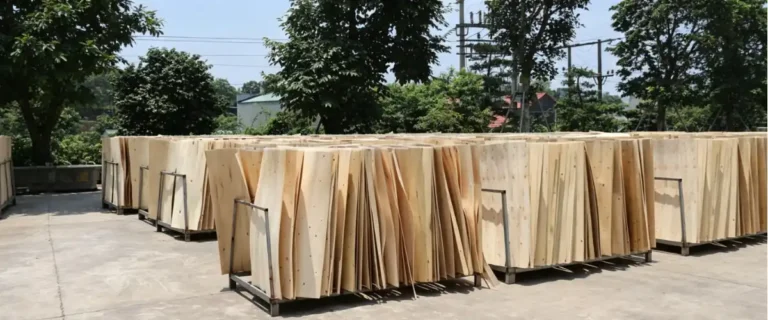 Blog ArticleWhy Must Veneers Be Dried Before Plywood ProductionVeneer drying stands as the most‑critical procedure in plywood. After logs are debarked, freshly‑cut thin…Read Article
 Blog ArticleWhy Birch Veneer Plywood Works for Modern CabinetsModern kitchen and bathroom cabinets demand a balance of clean aesthetics, long-lasting durability, and practical…Read Article
 Blog ArticleWhat Is Wood Veneer? Complete Guide for BeginnersWood veneer is a decorative material made by slicing real wood into thin sheets, usually…Read Article