
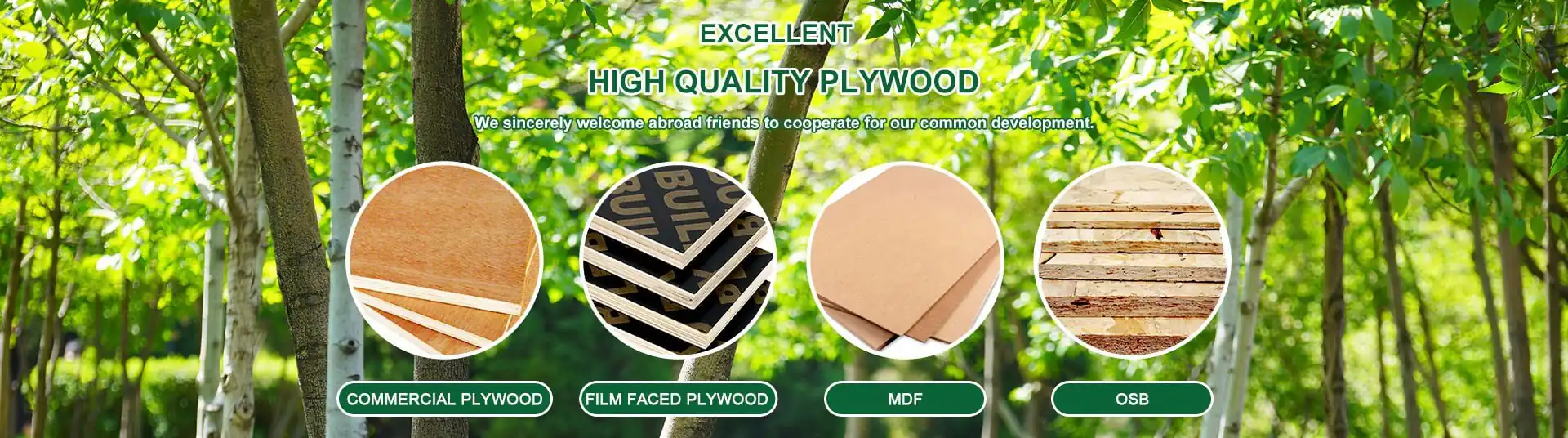
What Is Film Faced Plywood?
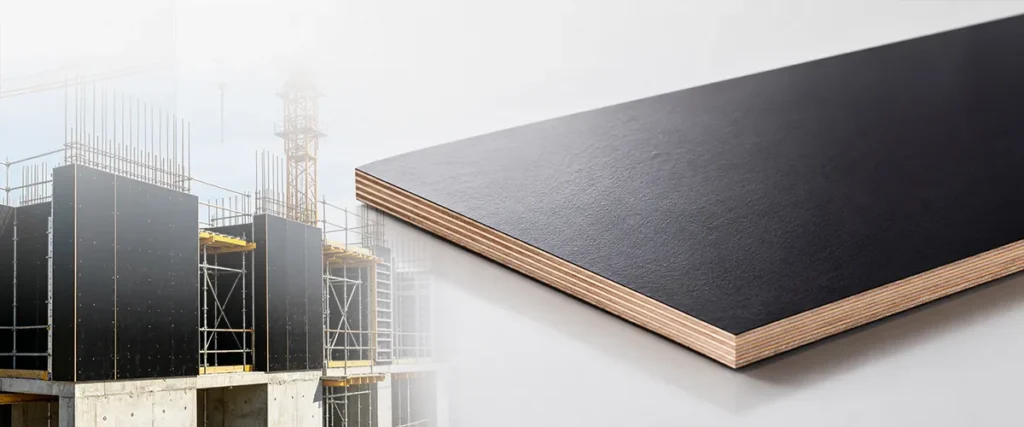
Film faced plywood is a structural plywood panel coated on both sides with phenolic resin-impregnated paper. The waterproof film protects the panel from moisture, abrasion, cement adhesion, and harsh weather conditions.
Compared with ordinary plywood, film faced plywood offers several advantages:
- Excellent waterproof performance
- Smooth concrete finishing surface
- High bending strength
- Outstanding wear resistance
- Easy demoulding after concrete pouring
- Multiple reuse cycles
- Lower maintenance costs
These features make it widely used for concrete shuttering, bridge construction, high-rise buildings, infrastructure projects, and industrial construction.
Learn More About Film Faced Plywood
1. Evaluate the Core Veneer Quality
The core structure is the foundation of plywood performance.
High-quality film faced plywood should use carefully selected veneers with consistent thickness and minimal defects. The veneers should be tightly bonded without gaps, overlaps, voids or rotten wood inside the panel.
Common core options supplied by professional manufacturers like Baitwood include four mainstream types:
Poplar Core
Poplar veneer features light weight and competitive cost. It delivers balanced basic performance for conventional residential and medium-cycle construction projects, perfect for buyers prioritizing budget control.
Eucalyptus Core
Eucalyptus is a high-density hardwood core material. It boasts strong compression resistance, excellent water resistance and stable structure, well-suited for heavy-load formwork, bridge and long-term engineering that requires high turnover rates.
Birch Core
Birch core provides outstanding mechanical strength, ultra-stable dimensions and maximum reusability. Its uniform texture and tight structure reduce warping and deformation significantly, making it the top pick for high-end commercial construction, repeated high-frequency formwork use and strict finish concrete projects.
Combi Core
Combi core mixes poplar and eucalyptus veneers in a symmetrical layered layout. It strikes a perfect balance between cost and structural performance, a versatile choice for medium-to-large projects seeking both cost savings and reliable bearing capacity.
At Baitwood, every veneer is strictly screened before assembly. Our automated lay-up process eliminates gaps and uneven lamination, guaranteeing uniform internal bonding and long-lasting structural consistency across all four core series.
2. Choose Genuine WBP Phenolic Glue
One of the most important indicators of quality is the adhesive used inside the plywood.
Professional-grade film faced plywood should be manufactured using WBP (Weather and Boil Proof) Phenolic Glue.
Benefits include:
- Excellent waterproof performance
- High bonding strength
- Resistance to boiling water
- Improved weather resistance
- Reduced risk of delamination
Low-grade glue may reduce production costs, but it often leads to panel separation after repeated exposure to moisture and concrete.
For projects requiring repeated use, WBP glue is essential.
3. Inspect the Film Surface
The film coating protects the plywood during construction and directly affects the concrete finish.
A premium film should provide:
- Uniform dark brown or black color
- Smooth and flat surface
- Strong adhesion
- High abrasion resistance
- Excellent waterproof protection
- Resistance to alkaline concrete
Film weight also plays an important role.
Typical film weights include:
- 120–125 g/m²:Lightweight film for short-cycle temporary construction
- 165–180 g/m²:Standard film for regular residential & municipal projects
- 220 g/m² Thickened phenolic film:For high-rise, bridge, high turnover heavy-duty formwork
Heavier phenolic film generally offers better durability and more reuse cycles.
4. Examine Edge Sealing
Moisture usually enters plywood through the exposed edges.
High-quality manufacturers apply multiple layers of waterproof edge paint to seal every panel after trimming.
Proper edge sealing helps:
- Prevent water penetration
- Reduce edge swelling
- Protect internal veneers
- Extend service life
Well-sealed edges are especially important for outdoor construction projects.
5. Check Thickness Accuracy
Consistent thickness ensures stable installation and uniform concrete formwork.
Standard thicknesses include:
- 12 mm
- 15 mm
- 18 mm
- 21 mm
Reliable manufacturers maintain strict production tolerances using advanced hot pressing and sanding equipment.
Consistent panel dimensions improve installation efficiency while minimizing alignment issues on site.
6. Assess Reuse Performance
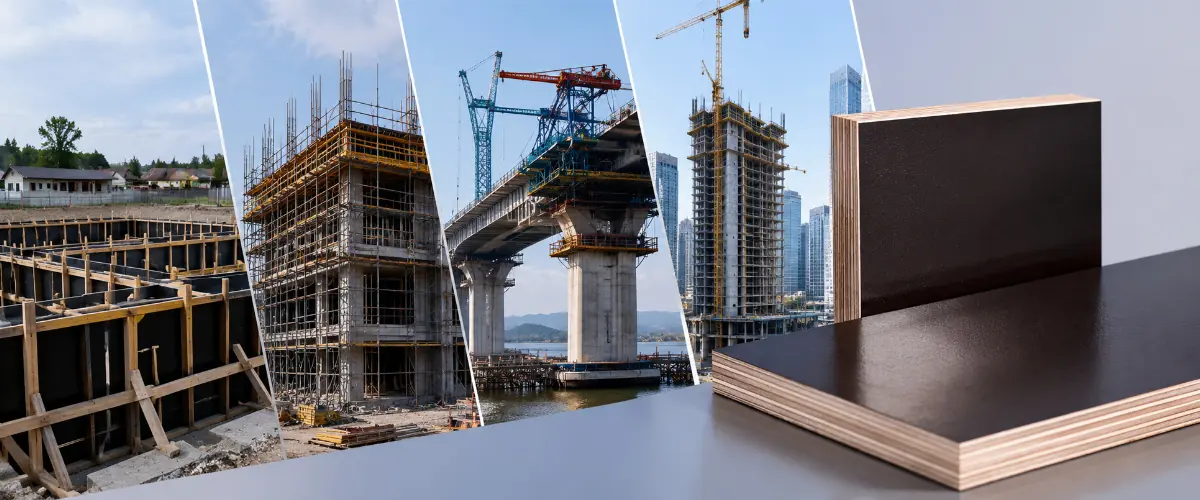
One of the main reasons contractors invest in film faced plywood is its ability to be reused multiple times.
| Plywood Quality | Average Reuses |
|---|---|
| Standard Quality | 8–12 Times |
| High Quality | 15–25 Times |
| Premium Birch Core | 30–50+ Times |
Actual performance depends on proper installation, cleaning, storage, and maintenance.
Although premium plywood has a higher initial purchase price, its lower cost per use often delivers greater long-term value.
At Baitwood, we match different core materials and phenolic film weights to meet your target reuse cycles. Our technical team can recommend cost-effective panel solutions based on your project cycle and construction intensity to maximize your long-term return on investment.
7. Verify Manufacturing Standards
Professional plywood manufacturers implement strict quality control throughout production.
When selecting a supplier, consider whether they offer:
- ISO Quality Management System
- FSC Certification
- CE Certification
- SGS Inspection Reports
- CARB Compliance (for North American markets)
These certifications demonstrate consistent manufacturing processes and compliance with international standards.
8. Choose a Reliable Manufacturer Instead of the Lowest Price
Many buyers focus solely on unit price. However, lower-priced plywood often results in higher overall project costs due to shorter lifespan and increased replacement frequency.
A reliable manufacturer should provide:
- Stable raw material sourcing
- Advanced production equipment
- Strict quality inspection
- Consistent product specifications
- Professional export experience
- Responsive technical support
Long-term supplier reliability is often more valuable than short-term price savings.
9. Pay Attention to the Hot Pressing Process
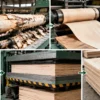
The hot pressing process plays a critical role in determining the strength, bonding performance, and durability of film faced plywood. During hot pressing, heat and pressure activate the phenolic adhesive, ensuring that each veneer layer is firmly bonded into a stable panel.
Generally, film faced plywood can be manufactured using different pressing processes:
One-Time Hot Press (1 Hot Press)
- Lower production cost
- Suitable for short-term construction projects
- Lower density and bonding strength
- Fewer reuse cycles
Two-Time Hot Press (2 Hot Press)
High-quality film faced plywood is typically produced using a two-time hot pressing process. The first hot press bonds the core veneers together, while the second hot press laminates the phenolic film under high temperature and pressure.
Compared with one-time hot pressing, two-time hot pressing provides:
- Stronger internal bonding
- Higher panel density
- Better dimensional stability
- Improved waterproof performance
- Smoother surface finish
- Longer service life
- More reuse cycles in concrete formwork applications
At Baitwood, premium film faced plywood is manufactured using an advanced two-time hot pressing process combined with high-quality WBP phenolic glue. This production method ensures excellent bonding strength, superior resistance to delamination, and consistent performance under demanding construction conditions.
For professional contractors and distributors seeking long-lasting formwork plywood, two-time hot pressed panels offer significantly better long-term value than lower-cost alternatives.
Match Product Grade with Project Scenarios: Achieve Cost-Effective Procurement
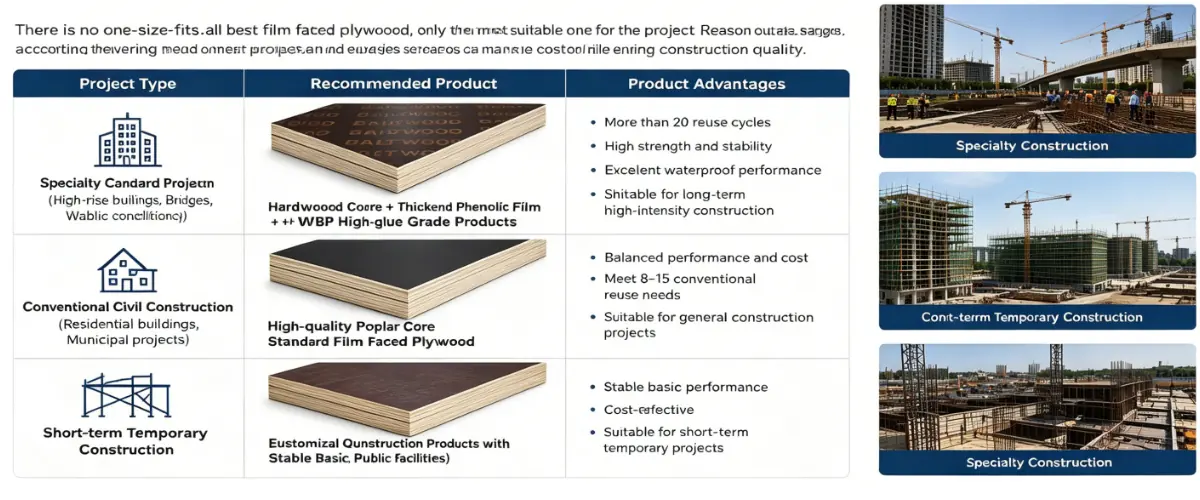
There is no one-size-fits-all best film faced plywood, only the most suitable one for the project. Reasonable selection according to project types and usage scenarios can maximize cost control while ensuring construction quality:
- High-standard projects (high-rise buildings, bridges, water conservancy): Choose hardwood core + thickened phenolic film + WBP high-glue grade products, with more than 20 reuse cycles, suitable for long-term high-intensity construction;
- Conventional civil construction (residential buildings, municipal projects): Choose high-quality poplar core standard film faced plywood, with balanced performance and cost, meeting 8–15 conventional reuse needs;
- Short-term temporary construction: Select economical qualified products with stable basic performance to avoid excessive cost waste.
As a professional one-stop plywood supplier, Baitwood provides diversified graded product series to cover all construction scenarios. The team can provide professional product matching suggestions according to project cycle, load requirements, and construction environment, helping customers avoid over-investment or insufficient product performance, and realize precise and efficient procurement.
Common Mistakes to Avoid When Buying Film Faced Plywood
Many buyers unknowingly purchase low-quality panels because they focus only on appearance.
Before placing an order, inspect the following:
- Core voids or overlapping veneers
- Weak edge sealing
- Thin or uneven film coating
- Low-quality glue
- Inconsistent thickness
- Delamination after water exposure
Requesting product samples and testing them before bulk purchasing is always recommended.
Final Thoughts
Choosing high-quality film faced plywood requires evaluating much more than price. The core veneer, glue quality, phenolic film, edge sealing, dimensional accuracy, and manufacturing standards all determine how well the plywood performs on the job site.
Investing in premium film faced plywood reduces replacement costs, improves construction efficiency, and produces smoother concrete finishes.
At Baitwood, we believe that consistent quality is the key to long-term customer success. With advanced manufacturing technology, strict quality control, and years of export experience, we are committed to supplying durable, reliable film faced plywood that meets the requirements of construction professionals around the world.
If you are looking for a trusted film faced plywood manufacturer or need customized solutions for your next project, feel free to contact the Baitwood team for professional support and competitive factory pricing.