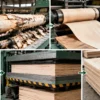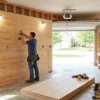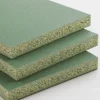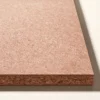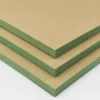

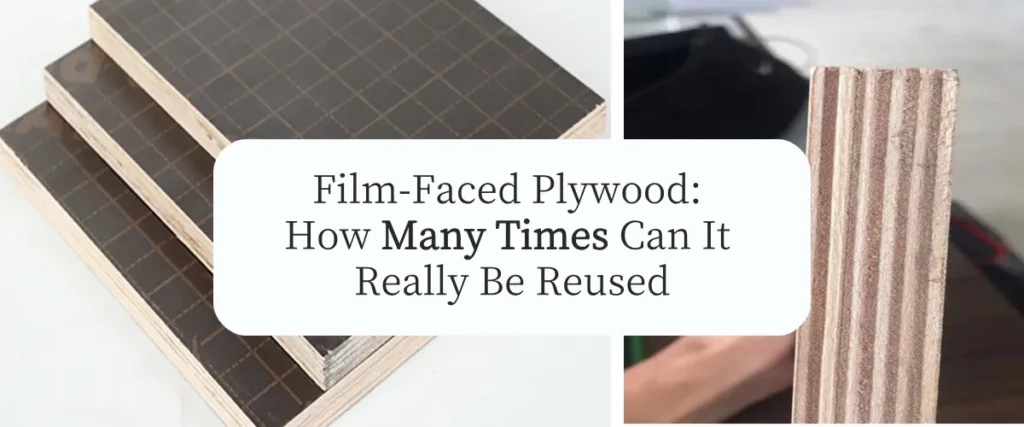
Film-faced plywood is a staple in construction, particularly for concrete formwork, scaffolding, and temporary structures. Its smooth, waterproof film surface makes it durable and resistant to wear, but one question often comes up among builders and contractors: how many times can film-faced plywood actually be reused? Let’s explore the factors that influence its lifespan and provide practical tips to maximize its reuse.
1. What Makes Film-Faced Plywood Durable?
Film-faced plywood differs from regular plywood thanks to a thin phenolic or melamine film that is bonded to the surface. This film:
- Protects the wood from moisture
- Reduces surface damage from concrete or other materials
- Provides a smooth finish for a polished look
However, while the film increases durability, it does not make the plywood indestructible. Proper handling and storage are key to maximizing its lifespan.
For more insights on film-faced plywood, take a look at this article.
2. What Determines Film-Faced Plywood Reusability?
The reusability of film-faced plywood is not fixed; it depends on several key factors that influence how long the sheets can last in construction projects. Understanding these factors can help you maximize the number of times your plywood can be used:
- Plywood Quality – The thickness of the veneers, the number of layers, and the bonding quality all affect durability. High-quality plywood resists warping and delamination, allowing for more reuses.
- Type and Thickness of the Film – Phenolic films are more robust than melamine films, offering better water and chemical resistance. Thicker films also provide stronger protection against abrasion from concrete.
- Handling and Installation Practices – Rough handling, such as dropping sheets, scraping surfaces, or hammering nails, can quickly damage the film and reduce lifespan. Using proper stripping methods and avoiding direct impacts helps preserve the boards.
- Environmental Exposure – Exposure to excessive moisture, UV rays, or extreme temperatures can degrade both the plywood and the film layer. Proper storage and covering during downtime are essential for extending reuse.
- Maintenance After Use – Cleaning off concrete residue, drying the sheets, and occasionally applying a light coat of protective oil or release agent prevents mold, warping, and surface wear.
By paying attention to these factors, contractors and builders can ensure their film-faced plywood lasts longer, providing both cost savings and consistent quality in construction projects.
3. How Many Times Can Film-Faced Plywood Be Reused in Practice?
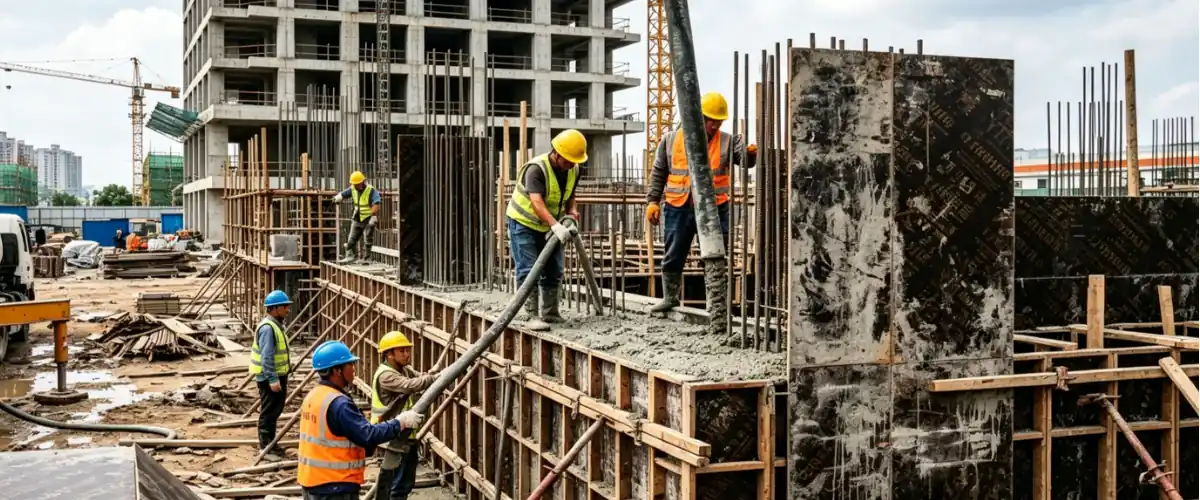
While manufacturers often provide general guidelines, real-world reuse depends on plywood quality, handling, and project conditions. Based on field experience in construction and formwork projects, here’s what contractors typically observe:
a. Standard-Grade Film-Faced Plywood
- Average reuses: 4–7 times
- Typical applications: Residential concrete walls, temporary scaffolding
- Observations: Standard plywood sheets with thinner phenolic film can withstand a few cycles of concrete pours, but wear and minor surface scratches accumulate quickly, limiting reuse for high-finish projects.
b. Premium-Grade Film-Faced Plywood
- Average reuses: 10–15 times
- Typical applications: Commercial buildings, high-quality architectural finishes
- Observations: High-density plywood with thick phenolic film maintains structural integrity and a smooth surface for multiple pours. With careful cleaning and storage, some sheets can even reach 20 reuses.
c. Factors Reducing Reuse in Practice
- Concrete adhesion: Hard-to-remove residues can damage the film.
- Mechanical damage: Scratches, edge dents, or impacts during stripping and transport.
- Environmental exposure: Rain, direct sunlight, or temperature extremes between uses.
d. Quick Reference Table
| Plywood Type | Typical Reuses | Recommended Use |
| Standard Grade | 4–7 | Small residential projects |
| Premium Grade | 10–15 | Commercial or high-quality works |
| High-Density Premium | 15–20 | Multi-story, polished finishes |
Key Insight: Actual reuse numbers vary by project, handling, and maintenance. Even if a sheet is structurally sound, aesthetic requirements may prevent its reuse for high-finish concrete surfaces. Contractors often keep two categories of sheets: one for rough pours and another for projects demanding a flawless finish.
4. How Many Reuses Are Realistic?
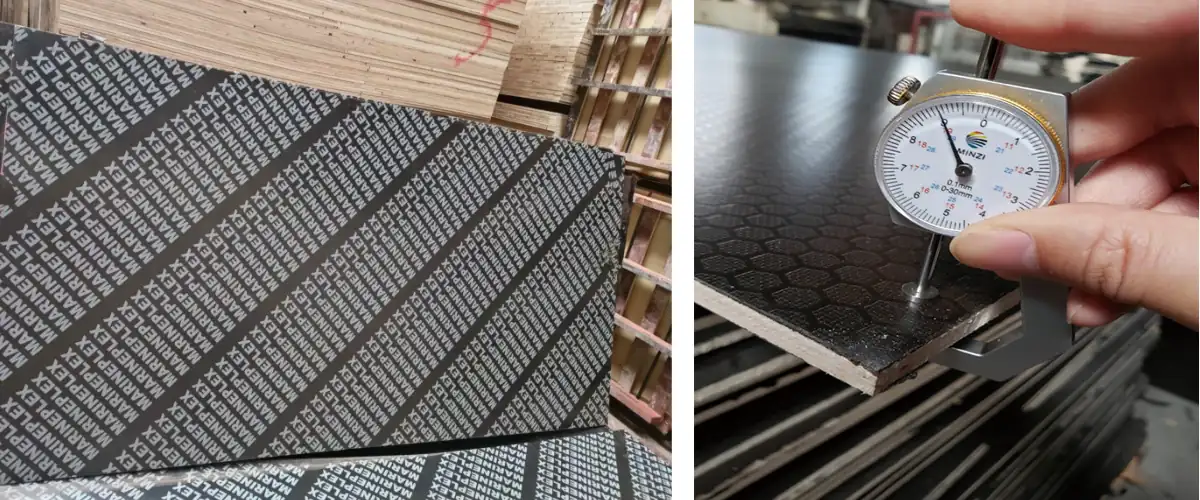
On average:
- Standard quality film-faced plywood: 5–10 reuses
- Premium, high-density plywood: up to 15–20 reuses with proper care
- Poor-quality plywood: 2–3 reuses, sometimes fewer
Keep in mind that “reuse” depends on the required finish quality. If a project demands a flawless concrete finish, slightly damaged plywood may be unsuitable even if structurally sound.
Tips to Maximize Reuse
- Store properly – Keep plywood flat, elevated from the ground, and covered to protect from rain or direct sunlight.
- Clean after each use – Remove concrete, dirt, or debris immediately.
- Use release agents – Prevents concrete from sticking and reduces surface wear.
- Avoid hammering nails directly – Use clamps or pre-drilled holes when possible.
- Rotate sheets – Using the same sheets for rough work and others for high-finish work prolongs overall lifespan.
5. Conclusion
Film-faced plywood is a highly durable and reusable material, but its lifespan depends largely on the quality of the board, proper handling, and environmental conditions. With careful use and maintenance, you can significantly extend its service life, saving both time and costs in your projects. Always inspect sheets for warping, delamination, or surface damage before reuse to ensure your construction quality remains uncompromised.
Looking for durable film-faced plywood for your next project?
Contact us today for more information or a free quote — we’re here to help you get the most out of every sheet.