
Plywood is widely used in construction, furniture, packaging, and interior decoration due to its strength, stability, and versatility. However, a common issue many buyers face is plywood delamination. When panels start to separate, bubble, or lose adhesion, both appearance and durability are affected.
Why does plywood delaminate, and how can it be prevented? This article explains the main causes and shares practical tips to help you choose more durable and reliable plywood.
What Is Plywood Delamination?
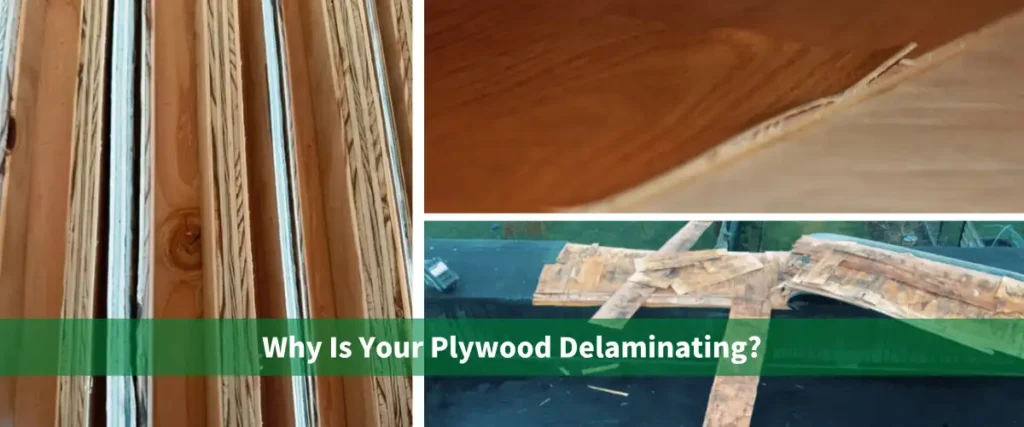
Plywood delamination refers to the separation of veneer layers inside a plywood panel. It is also commonly called:
- Plywood layer separation
- Glue failure in plywood
- Delaminated plywood
- Plywood peeling apart
This usually happens when the adhesive bond between veneers weakens or fails over time.
Why It Matters
Delamination can cause:
- Reduced structural strength
- Surface warping or swelling
- Water penetration into inner layers
- Shorter product lifespan
- Increased maintenance or replacement cost
For load-bearing or moisture-prone applications, delamination can become a serious issue.
Main Reasons Why Plywood Delaminates
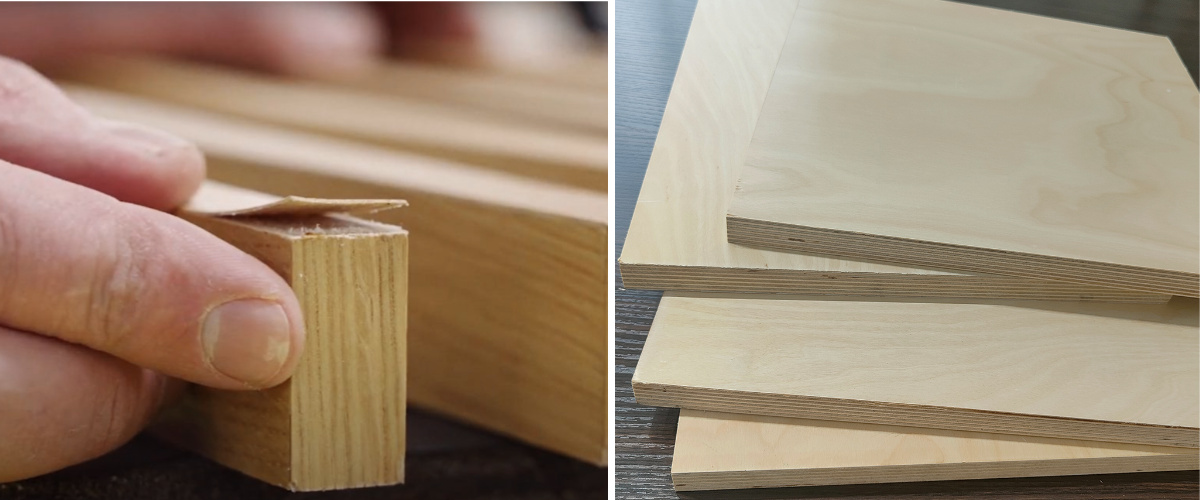
Understanding the root cause helps prevent future failures.
1. Poor Glue Quality or Weak Manufacturing Process
The bonding adhesive is the core of plywood strength. If low-grade glue is used or pressing conditions are poor, the panel may fail early.
Common issues include:
- Low-quality urea-formaldehyde glue
- Insufficient glue spread
- Inconsistent hot press temperature
- Low pressing pressure
- Short press cycle time
Cheap plywood often looks fine initially but may delaminate quickly in humid or demanding conditions.
2. Moisture Exposure (The Biggest Enemy)
Moisture is one of the leading causes of plywood delamination.
When water enters through edges, screw holes, or damaged surfaces, it can weaken the glue line and cause veneers to separate.
Typical scenarios include:
- Marine plywood delamination from long-term wet exposure
- Roof plywood delamination from leaks or rain intrusion
- Subfloor plywood delamination caused by trapped moisture
- Outdoor storage without cover
Repeated wet-dry cycles accelerate failure.
3. Incorrect Moisture Content During Production
High-quality plywood requires controlled veneer moisture content before pressing.
If veneers are too wet:
- Glue bonding becomes unstable
- Steam pressure may form inside the panel
- Internal stress increases
Later, the plywood expands and contracts with climate changes, causing fatigue in the glue line.
4. Poor Installation or Maintenance
Even quality plywood can fail if misused.
Examples include:
- Repeated nailing in the same area
- Unsupported spans causing bending stress
- Installation on uneven subfloors
- Long-term sun and rain exposure
- No sealing on exposed edges
Improper handling often damages the panel before use even begins.
How to Prevent Plywood Delamination
Preventing plywood delamination starts long before the panel is installed. From choosing the right board to proper storage and regular maintenance, each step plays an important role in extending plywood service life and preserving bond strength.
1. Choose High-Quality Plywood
The first and most effective way to prevent delamination is selecting plywood from a trusted manufacturer with stable quality control.
Reliable plywood should have:
- Strong and consistent glue bonding
- Smooth, tightly bonded veneer layers
- Proper moisture content control
- Clean core construction with fewer voids
It is also important to choose the correct adhesive grade based on the application:
- MR Glue (Moisture Resistant): Suitable for indoor furniture, cabinetry, and dry environments.
- WBP Glue (Weather and Boil Proof): Recommended for exterior use, humid conditions, construction formwork, and waterproof applications.
Using the wrong glue type for the environment is a common reason plywood fails early.
Bait plywood waterproof series uses premium phenolic resin adhesives and strict boiling-water resistance testing to reduce delamination risk in demanding environments.
2. Store Panels Correctly
Improper storage can ruin plywood before installation.
Best practices:
- Keep panels off the ground
- Store flat on supports
- Keep in a dry, ventilated area
- Protect from rain and direct sunlight
- Avoid leaning panels vertically for long periods
3. Seal Edges and Cut Areas
Plywood edges absorb moisture faster than surfaces.
After cutting panels:
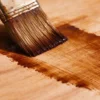
- Seal edges with paint, varnish, or waterproof sealer
- Protect drilled holes
- Recoat damaged edges during maintenance
This is especially important for bathrooms, kitchens, roofing, and exterior use.
4. Install Properly
Good installation extends plywood life.
Tips:
- Leave expansion gaps where needed
- Use proper fastener spacing
- Avoid over-tightening screws
- Ensure framing or substrate is level
- Do not install soaked panels
5. Inspect Regularly
Check vulnerable areas periodically:
- Roof panels
- Bathroom cabinets
- Flooring near wet zones
- Exterior soffits and wall sheathing
Early repair prevents major replacement costs.
How to Repair Delaminated Plywood
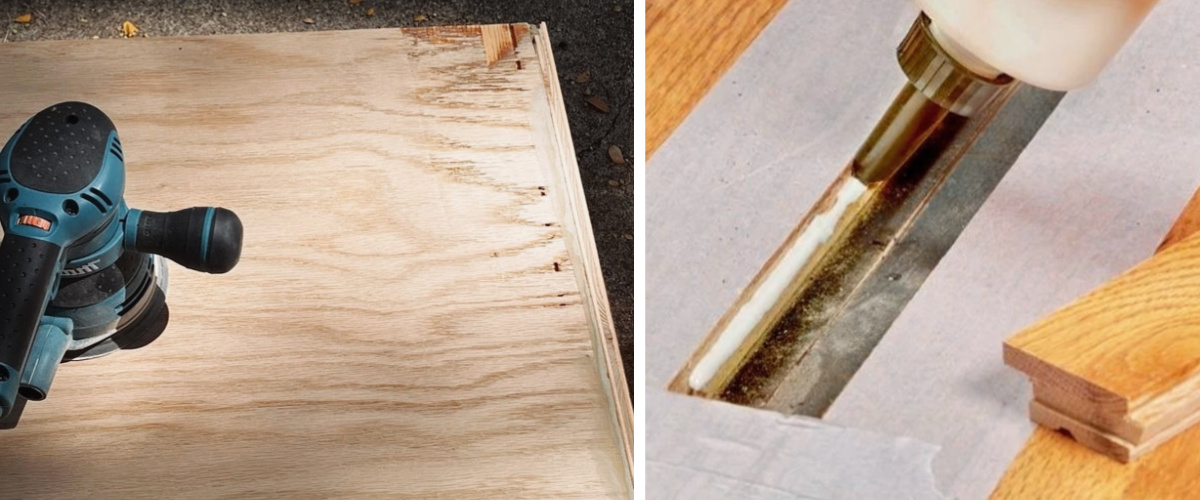
Many users search how to fix delaminated plywood or how to repair delaminated plywood. The answer depends on severity.
Light Delamination (Small Area)
If layers are only slightly lifting:
Repair Steps
- Clean the opening
- Inject wood glue or epoxy adhesive
- Clamp firmly
- Let cure fully
- Sand and refinish surface
Suitable for furniture, cabinets, or decorative panels.
Moderate Delamination
If veneer sections are damaged:
- Remove loose material
- Apply waterproof adhesive
- Insert replacement veneer or wood patch
- Clamp tightly
- Seal edges afterward
Severe Delamination
If large areas are separated or structural strength is affected:
Replacement is recommended.
This is especially true for:
- Roof plywood
- Subfloor plywood
- Load-bearing wall sheathing
- Marine applications
Repairing severely damaged structural plywood may create safety risks.
Why Quality Manufacturing Prevents Delamination
Reliable plywood performance begins in the factory.
Key Manufacturing Factors
- Premium hardwood or softwood veneers
- Accurate veneer drying systems
- Imported phenolic resin adhesives
- High-pressure hot pressing lines
- Controlled moisture content
- Strict bond strength testing
At Bait, we operate advanced production lines with strict quality control to supply durable plywood for furniture, construction, packaging, and waterproof applications.
Frequently Asked Questions
What is the main cause of plywood delamination?
Moisture intrusion and weak glue bonding are the two most common causes.
Can delaminated plywood still be used?
Only if damage is minor and non-structural. Structural panels should be replaced.
Why is marine plywood less likely to delaminate?
It uses stronger waterproof adhesives and higher-quality core veneers with fewer voids.
How do I stop plywood from absorbing moisture?
Seal edges, keep surfaces coated, store dry, and avoid standing water.
What glue is best for repairing delaminated plywood?
Epoxy adhesive or strong waterproof wood glue works best for small repairs.
Final Thoughts
Plywood delamination is preventable in most cases. By selecting the right plywood grade, storing it properly, sealing exposed edges, and choosing panels made with reliable adhesives, you can dramatically reduce failure risk.
If your project requires dependable waterproof or structural plywood, choosing a trusted manufacturer matters more than simply choosing the lowest price.
Need durable anti-delamination plywood for your business? Contact Bait for professional plywood solutions tailored to your market.