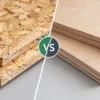

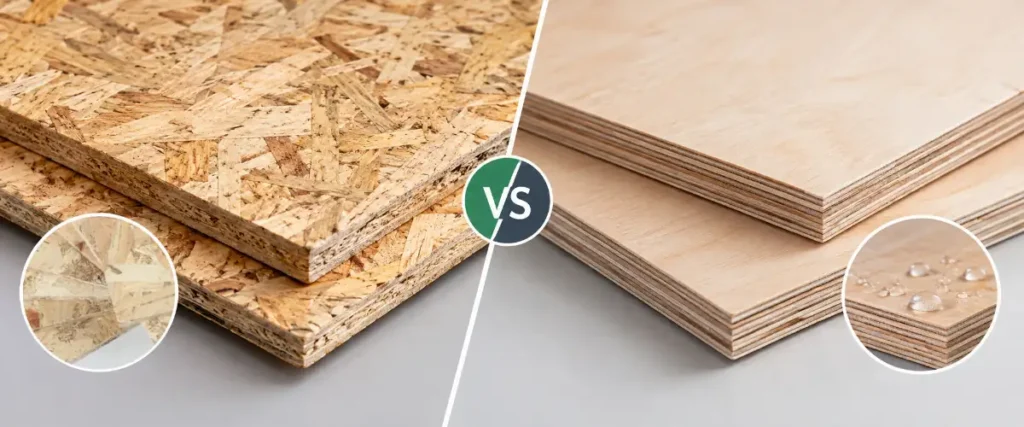
Choosing structural wood panels for flooring, roofing, packaging, and general building projects often leaves people stuck on one common question: should you go with plywood or OSB (Oriented Strand Board)?
Understanding OSB and Plywood
What Is OSB?
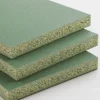
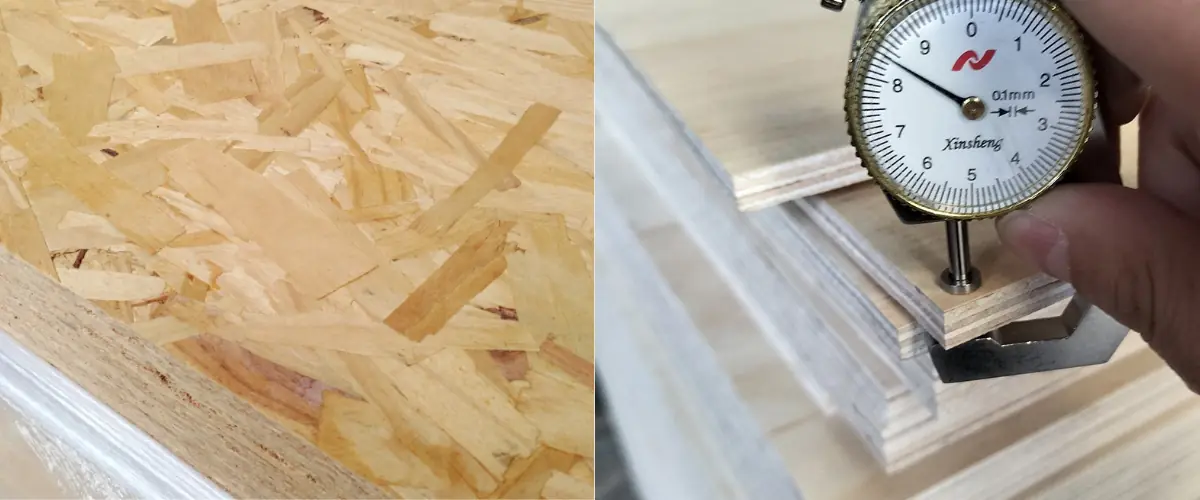
OSB, short for Oriented Strand Board, is a high-performance engineered wood panel manufactured with large wood strands. These strands typically measure 40 to 100 millimeters in length and 5 to 20 millimeters in width. During production, the wood strands are layered and aligned in specific directional patterns: face layers run longitudinally, while core layers are oriented crosswise. The strands are then bonded with eco-friendly adhesives – premium OSB products commonly use formaldehyde-free MDI resin – and compressed under high heat and pressure to form a solid, uniform panel.
This unique cross-oriented structure grants OSB consistent strength and stiffness across two directions of the panel, along with stable, uniform manufacturing quality free of major inconsistencies.
What Is Plywood?
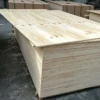
Plywood is made by bonding multiple thin layers of wood veneer together under heat and pressure. The grain direction of adjacent veneers is generally arranged at right angles, creating a cross-laminated structure.
Plywood can be manufactured from different wood species and in different structural grades, so its performance can vary considerably between products.
APA identifies bending strength, bending stiffness, tension, compression, shear, and bearing strength as important mechanical properties of structural plywood.
OSB vs Plywood Strength: What Is the Difference?
The easiest way to understand OSB vs plywood strength is to compare the properties that matter in actual applications rather than asking which material is simply “stronger.”
| Property | OSB | Plywood |
|---|---|---|
| Manufacturing | Oriented wood strands | Cross-laminated wood veneers |
| Bending strength | High when properly rated | High when properly rated |
| Bending stiffness | Depends on grade and thickness | Depends on grade and thickness |
| Shear performance | Suitable for structural applications | Suitable for structural applications |
| Fastener holding | Good | Good |
| Dimensional stability | Generally stable, but moisture can affect thickness | Generally stable |
| Surface appearance | Strand-based appearance | Natural veneer appearance |
| Thickness consistency | Highly controlled manufacturing | Depends on grade and construction |
| Common structural uses | Roofs, walls, floors | Roofs, walls, floors, furniture |
| Cost efficiency | Often economical | Often higher-cost depending on grade |
The important point is that panel performance should be evaluated using the specific product’s design values rather than material type alone.
Is OSB Stronger Than Plywood?
The answer depends on what type of strength you are measuring.
For common structural sheathing applications, properly rated OSB and plywood can often be used interchangeably when the required span rating and installation requirements are met.
However, this does not mean that every OSB panel is stronger than every plywood panel.
For example, a higher-grade structural plywood panel may have different bending, shear, or stiffness properties from a standard OSB panel. Likewise, a properly specified OSB/3 or OSB/4 panel can have performance characteristics that make it suitable for demanding structural applications.
Where Does OSB Have an Edge Over Plywood?
Better Resistance to Warping and Dimensional Movement
OSB is made from large wood strands that are arranged in different directions and pressed into a dense, uniform panel. This layered structure helps distribute internal stresses and gives OSB good bending strength and dimensional stability. That makes it a practical choice for tall cabinet doors, long shelves, and other applications where panels need to stay flat over a larger span. Compared with some plywood products, OSB can offer better resistance to warping in these situations.
Strong Environmental Performance
High-quality OSB is often manufactured with MDI-based, no-added-formaldehyde adhesive systems, which can help the finished panel achieve very low formaldehyde emissions. Some products can meet stringent emission requirements, depending on the applicable standard and manufacturing process. Plywood performance can vary more widely because it is built from multiple veneer layers and relies on adhesive bonding between each layer. The actual emission level depends heavily on the adhesive system, production process, and product grade.
Strong Screw-Holding and Load-Bearing Performance
The dense, interlocking strand structure of OSB provides good fastener-holding performance. Screws and nails can grip the panel securely when the correct fasteners and installation methods are used. This makes structural-grade OSB a popular choice for load-bearing applications, including cabinet components, wall sheathing, subfloors, and other construction panels where reliable fastening and structural performance matter.
Tip:
OSB edges are more likely to swell when exposed to water, so proper edge sealing and moisture protection are important. Compared with OSB, plywood generally offers better moisture resistance and performs more reliably under changing weather conditions.
OSB vs Plywood: Which One Should You Choose?

No wood panel is truly perfect. The best option always depends on your specific application. For the best results, compare the panel specifications with the requirements of the project.
Choose OSB when you need:
- Cost-efficient structural panels
- Consistent panel construction
- Large panel dimensions
- Roof, wall, or floor sheathing
- Strong fastener holding
- Reliable structural performance
- Efficient material utilization
Choose plywood when you need:
- High strength-to-weight performance
- Veneer appearance
- Good dimensional stability
- Strong machining characteristics
- Furniture or cabinetry applications
- Specialty structural applications
- Specific plywood grades or species
For structural construction, the correct choice should be based on the panel grade, thickness, span rating, exposure classification, and applicable design requirements.
Frequently Asked Questions
Is OSB as strong as plywood?
In many intended structural applications, properly rated OSB and plywood can provide similar structural performance. However, individual products can have different design values depending on their grade, thickness, span rating, and application.
Is OSB stronger than plywood?
Neither material is universally stronger. The answer depends on the specific OSB and plywood products being compared and the type of load involved.
Is OSB good for structural use?
Yes. Structural OSB is widely used for roof, wall, and floor systems. Proper panel grading, installation, and exposure classification are important for achieving the intended performance.
Is plywood stronger than OSB?
Plywood can have higher performance in certain properties or applications, but this does not mean that plywood is always stronger. Product grade and design values should be compared directly.
Conclusion
So, how strong is OSB compared to plywood?
OSB and plywood are both engineered structural wood panels widely used in construction and industrial applications. OSB is made from oriented wood strands, while plywood is made from layers of wood veneer bonded with alternating grain directions. These different constructions give the two panels different mechanical properties, but neither material can be considered universally stronger than the other.
For many roofing, wall sheathing, and flooring applications, properly rated OSB and plywood can provide comparable structural performance when the right panel is selected and installed correctly. The better choice depends on factors such as panel grade, thickness, span, load, moisture exposure, and intended use.
Looking for reliable OSB panels for your next project? Contact Baitwood for product specifications, sizes, grades, and customized supply solutions.